

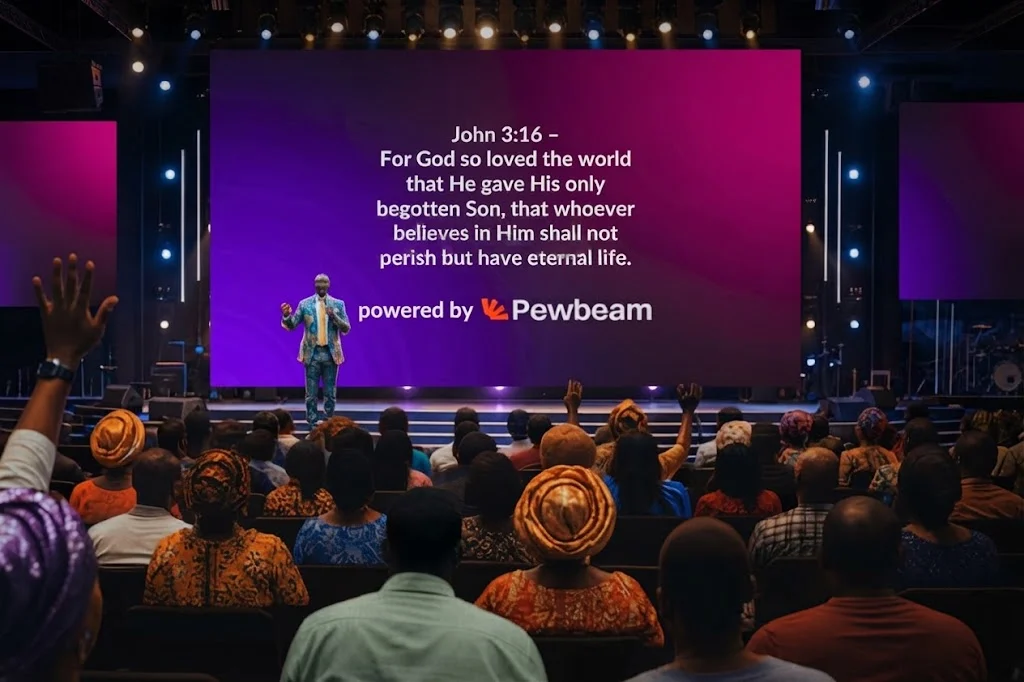
A Nigerian startup that puts Bible verses on screen the moment a pastor speaks is turning heads in the investment community. Pewbeam, built by product designer Dára Sobaloju, is drawing both institutional backing and individual angel cheques within months of launching.
How much has Pewbeam raised?
The honest answer is that nobody outside the company knows. Venture studio Resilience17 announced an investment in early September but did not disclose the amount. However, no report gives a total raise, a valuation or a full investor list. Back in March, a day after launch, Sobaloju said publicly that the team was raising a small angel round, so individual investors were part of the plan from the start.
The post that got attention
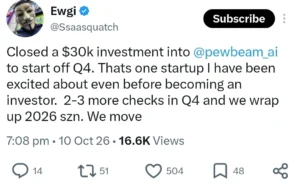
On 10 October, an investor posting as Ewgi on X said he had closed a $30,000 investment in Pewbeam to start the fourth quarter. He added that he had been excited about the startup before he ever became an investor, and that he expected two or three more cheques before the year ends. This is a self-reported figure from a single post, so treat it as a signal of appetite rather than a confirmed funding total.
What investors are seeing
Pewbeam listens to a live sermon and automatically shows the matching scripture on screen, even when the preacher paraphrases rather than quoting a reference. It works offline, which matters in places where power and internet are unreliable. It launched publicly on 20 March 2026, and a slide generator arrived in July. Lyrics and a mobile app for churchgoers called Pewnote are next.
The growth numbers are what make the pitch. According to the company and its backer, 509 churches across more than 20 countries were paying customers by September, with almost no marketing spend. Earlier reports had the figure near 400 in July, and just 25 in April, so the climb has been steep. Because these figures come from the company, outside verification would strengthen the story..
The risks investors are weighing
The business is not risk-free. Pricing is low, with a paid plan reported at 10,000 to 27,000 naira a month, so Pewbeam needs thousands of churches to build a large company. Many churches also solve this problem for free with volunteers, even if they do it imperfectly. A bigger church software provider could build a similar feature and bundle it into a product churches already pay for. Pewbeam’s best defences are speed, its offline design and local knowledge of how African churches actually run services.
What to watch
The key tests ahead are whether paying churches stay subscribed, whether Pewnote finds an audience, and whether Pewbeam discloses details of its funding. If more angel investors follow the $30,000 cheque reported this month, Pewbeam’s fourth-quarter round could show that church technology is a serious category for African investors.