
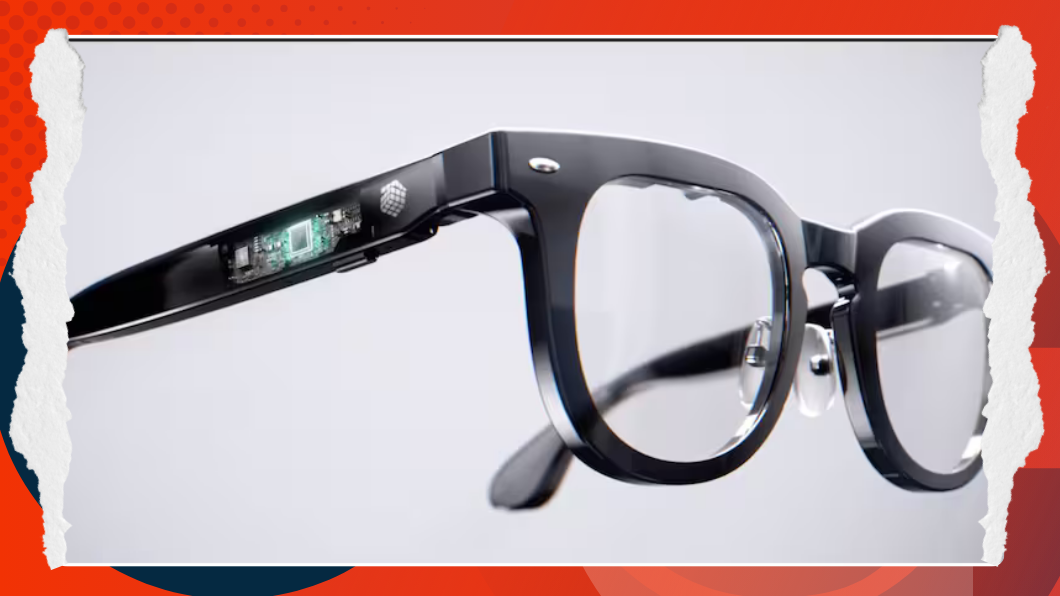
Google wants another shot at your face. The tech company announced it will launch AI-powered smart glasses in 2026, partnering with eyewear brands Warby Parker and Gentle Monster to avoid the privacy nightmares that killed Google Glass.
The company revealed two different models during The Android Show XR Edition event. One pair focuses on audio assistance without screens, using speakers, microphones, and cameras to connect users with Google’s Gemini AI assistant. The second model includes an in-lens display that only the wearer can see, showing navigation directions or real-time translation captions.
Google’s Second Chance After Glass Disaster
Google Glass crashed and burned spectacularly between 2013 and 2015, costing the company $895 million. Privacy fears dominated headlines as people worried about being secretly recorded. Tech reviewers called it “the worst product of all time,” citing terrible battery life and constant bugs.
The new approach strips away the obvious tech signals that made Glass so controversial. Google learned from Meta’s success with Ray-Ban smart glasses, which sold well by looking like regular eyewear instead of obvious gadgets.
“For AI and XR to be truly helpful, the hardware needs to fit seamlessly into your life and match your personal style,” Google stated in its blog post. The company wants users to choose “the right balance of weight, style and immersion” for their needs.
Android XR Powers Gemini Integration
Both models run on Android XR, Google’s operating system designed for extended reality devices. The platform integrates Gemini AI to handle voice commands, visual recognition, and real-time information processing.
Early testers described smooth software performance and natural Gemini interactions. The display glasses showed sharp, visible screens that felt integrated rather than intrusive. Users could see translations, get directions, or access information without pulling out their phones.
Smart Glasses Race Competition
Google enters a market where Meta has gained early traction. Meta’s Ray-Ban glasses succeeded where Google Glass failed by focusing on style over obvious technology. The partnership approach mirrors Google’s strategy with established eyewear brands.
Apple and Snap also plan smart glasses launches in 2026, setting up direct competition. Each company bets that AI integration can finally make smart eyewear mainstream after years of false starts.
Warby Parker Partnership Brings $150M Investment
Google committed $75 million to support Warby Parker’s product development and commercialization costs. If the eyewear company hits certain milestones, Google will invest another $75 million and take an equity stake in the brand.
This partnership gives Google access to Warby Parker’s retail presence and design expertise. The collaboration aims to create lightweight glasses suitable for all-day wear, addressing comfort issues that plagued earlier attempts.
Project Aura Bridges Glasses and Headsets
Google also previewed Project Aura, developed with Xreal, which sits between simple glasses and bulky VR headsets. These wired glasses can function as extended workspaces or entertainment devices, letting users access Google’s suite of products or stream video content.
Project Aura targets users who want more functionality than basic smart glasses provide but find VR headsets too cumbersome for daily use.
Privacy Concerns Remain Key Challenge
Smart glasses still face privacy hurdles that killed Google Glass. Recording capabilities raise concerns about consent and surveillance, especially in private spaces. The glasses include indicator lights and audio cues to signal when cameras are active, but critics question if these safeguards provide adequate protection.
European regulators have shown particular sensitivity to privacy issues with wearable cameras. Google must navigate these concerns while building consumer confidence in the technology.
Market Timing Looks Better for Smart Glasses
Consumer attitudes toward wearable tech have shifted since Google Glass failed. Smartwatches normalized always-on devices, and AI assistants became commonplace through phones and smart speakers.
The success of Meta’s Ray-Ban glasses proved demand exists for stylish smart eyewear. Google hopes its AI expertise and brand partnerships can capture market share as the category grows.
Google’s 2026 timeline gives the company time to refine hardware and address privacy concerns before launch. The multi-model approach lets different users choose their preferred level of functionality and immersion.