Every June 12, Nigeria marks a day that cost its people dearly. The date honours the annulled 1993 presidential election (widely regarded as the freest and fairest in the country’s history) and the pro-democracy struggle that followed. Now in its 27th year as a formal republic, Nigeria is living through a different kind of democratic reckoning, one being driven not by the streets alone, but by smartphones, platforms, and code.
From Hashtags to Mass Mobilisation
The clearest sign that digital tools are reshaping Nigerian civic life is the speed at which Nigerians can now organise. The 2020 #EndSARS movement demonstrated this in real time: what began as a social media hashtag against police brutality grew within days into one of the largest youth-led protests in the country’s history, with crowds coordinated, funds raised, and global attention secured, all without a central leadership structure.
Four years later, the #EndBadGovernance protests of August 2024 followed a similar playbook. Demonstrations against fuel prices, taxation, and governance failures were mobilised largely through social media, drawing Nigerians into the streets across multiple states simultaneously. The movements also exposed a tension: while digital tools amplify citizen voices, they also expose protesters to surveillance, disinformation campaigns, and state crackdowns.
Electoral Technology and Its Limits
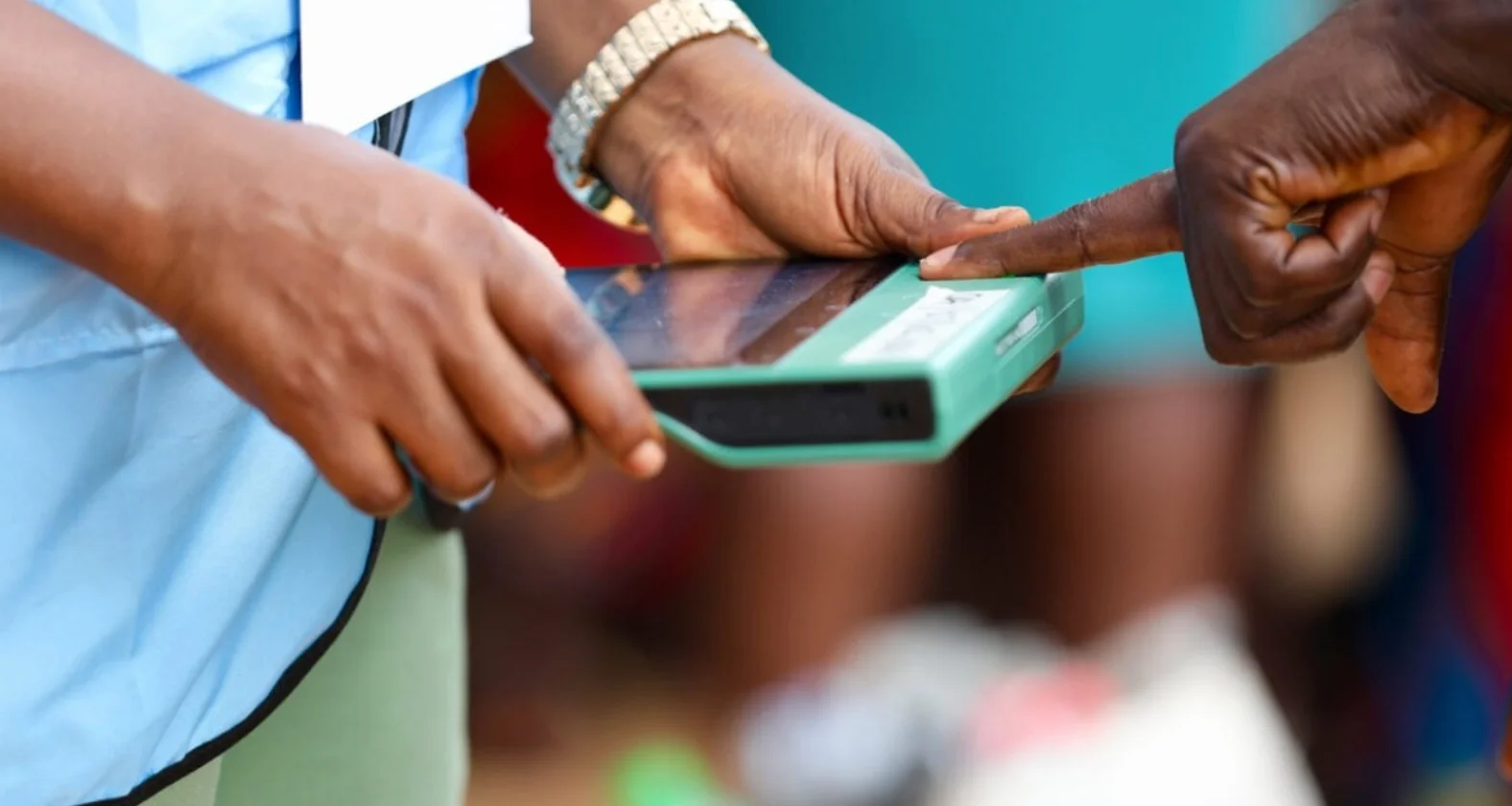
Nigeria’s electoral body has made significant investments in technology as a mechanism for transparency. The Bimodal Voter Accreditation System (BVAS) and the IReV results portal were introduced to strengthen the integrity of the voting process by enabling biometric accreditation and real-time result uploads from polling units. These were meaningful steps in a country with a long history of electoral manipulation.
But technology has not been a silver bullet. During elections, reports emerged of technical glitches, inconsistent result uploads, and figures announced that differed from what appeared on the portal, undermining the very transparency the systems were designed to deliver. Critics argue that without institutional integrity and political will, even the most sophisticated electoral tools can be neutralised.
Civic Platforms Holding Power Accountable
Beyond elections, a growing layer of civic technology is quietly building accountability infrastructure in Nigeria. Tracka, a citizen-driven monitoring platform, has tracked more than 17,000 public projects across the country, enabling ordinary Nigerians to report gaps between budgetary commitments and on-the-ground reality.
Analysts and civil society actors have begun calling for a more integrated civic tech ecosystem; one where civic education, citizen engagement, and policy tracking tools work together rather than in isolation. The argument is that when these layers connect, they create a self-reinforcing loop: informed citizens participate more effectively, sustained engagement generates political pressure, and political pressure drives accountability.
Scale and the Double-Edged Sword of Digital Reach
By early 2025, over 100 million Nigerians were online, with nearly 39 million active social media identities, a figure that has continued to grow. These numbers make Nigeria one of the most digitally active democracies on the continent, and they mean that narratives, whether true or fabricated, can outpace traditional media’s ability to verify them.
This is the double-edged nature of Nigeria’s digital civic space. Platforms that enable grassroots organising also enable bot networks and disinformation campaigns. The same government that oversees democratic institutions has, in the past, moved to suspend social media platforms and proposed restrictive digital legislation. The tension between online civic space and state control remains unresolved.
Technology Alone Cannot Save Democracy
As Nigeria marks another Democracy Day, the pressing question is whether the institutions and policies surrounding civic technology are keeping pace with the tools themselves. Tools like BVAS, Tracka, and social media mobilisation platforms are valuable, but they operate within a broader political environment that still struggles with impunity, weak institutions, and declining civic trust.