

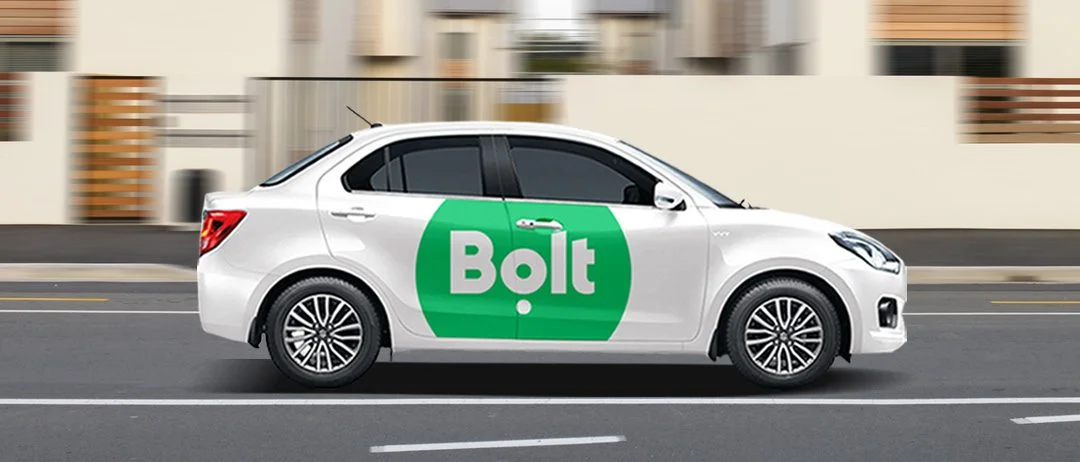
Bolt has increased fares across its Kenyan operations by 6%, effective immediately, citing rising fuel prices and sustained pressure from drivers struggling to stay profitable. The announcement, made on Tuesday in Nairobi, makes Bolt one of the first major ride-hailing platforms in Kenya to formally pass rising operating costs on to consumers.
What Triggered the Hike
The adjustment follows a fuel price revision by Kenya’s Energy and Petroleum Regulatory Authority (EPRA), which set the maximum retail price of super petrol in Nairobi at KES 197.60 per litre and diesel at KES 196.63 per litre from April 16. Petrol rose by KES 19.32 per litre and diesel by KES 30.09, with EPRA citing higher landing costs linked to global supply disruptions despite an 8% reduction in VAT on fuel.
Earlier fuel price adjustments had briefly pushed pump prices above KES 206 per litre before government intervention eased the increases. Even so, the revised prices were enough to push driver earnings into unsustainable territory on many trips, particularly in Nairobi’s traffic-heavy corridors.
Bolt’s Justification
Bolt says the decision followed direct feedback from its driver network and was backed by internal data modelling. The company noted that the 6% fare increase was carefully modelled, with internal data showing it falls within riders’ price tolerance thresholds, helping protect trip volumes and ensuring drivers continue to receive steady orders throughout the day.

Dimmy Kanyankole, Bolt’s Senior General Manager for Rides, East Africa, framed the adjustment as a sustainability measure for the entire platform ecosystem.
“This fare adjustment is part of a broader effort to respond meaningfully to their concerns, particularly around fuel prices, while ensuring that our service remains accessible and dependable for riders,” he said.
He added that better-paid drivers would mean more drivers on the roads, leading to shorter wait times and improved service quality.
A Market Under Pressure
Kenya is one of Africa’s largest ride-hailing markets, with thousands of drivers relying on platforms such as Uber, Little, and Bolt for full-time income. The sector has become increasingly strained as inflation, fuel costs, vehicle financing expenses, and platform commissions eat into driver earnings.
Following the earlier EPRA fuel price hike in April, online taxi operators in Kenya had declared a minimum fare of KES 450 for trips of up to 3 kilometres, a decision not approved by the platforms at the time, meaning riders did not experience the change. Bolt’s official fare revision now gives that pressure some institutional backing, even if the 6% increment falls short of what some driver groups had demanded.
What Comes Next
The current EPRA fuel prices remain in effect until May 14, when the regulator is expected to issue its next monthly pricing review. Any further increase could push additional fare adjustments across Kenya’s ride-hailing sector.
Bolt says it is also exploring additional measures to improve driver earnings over the long term, including platform upgrades, operational efficiency improvements, and continued engagement with drivers to ensure their concerns are reflected in company decisions.
For Kenyan commuters already navigating higher food, transport, and electricity costs, the fare increase is a small but real addition to daily expenses.