
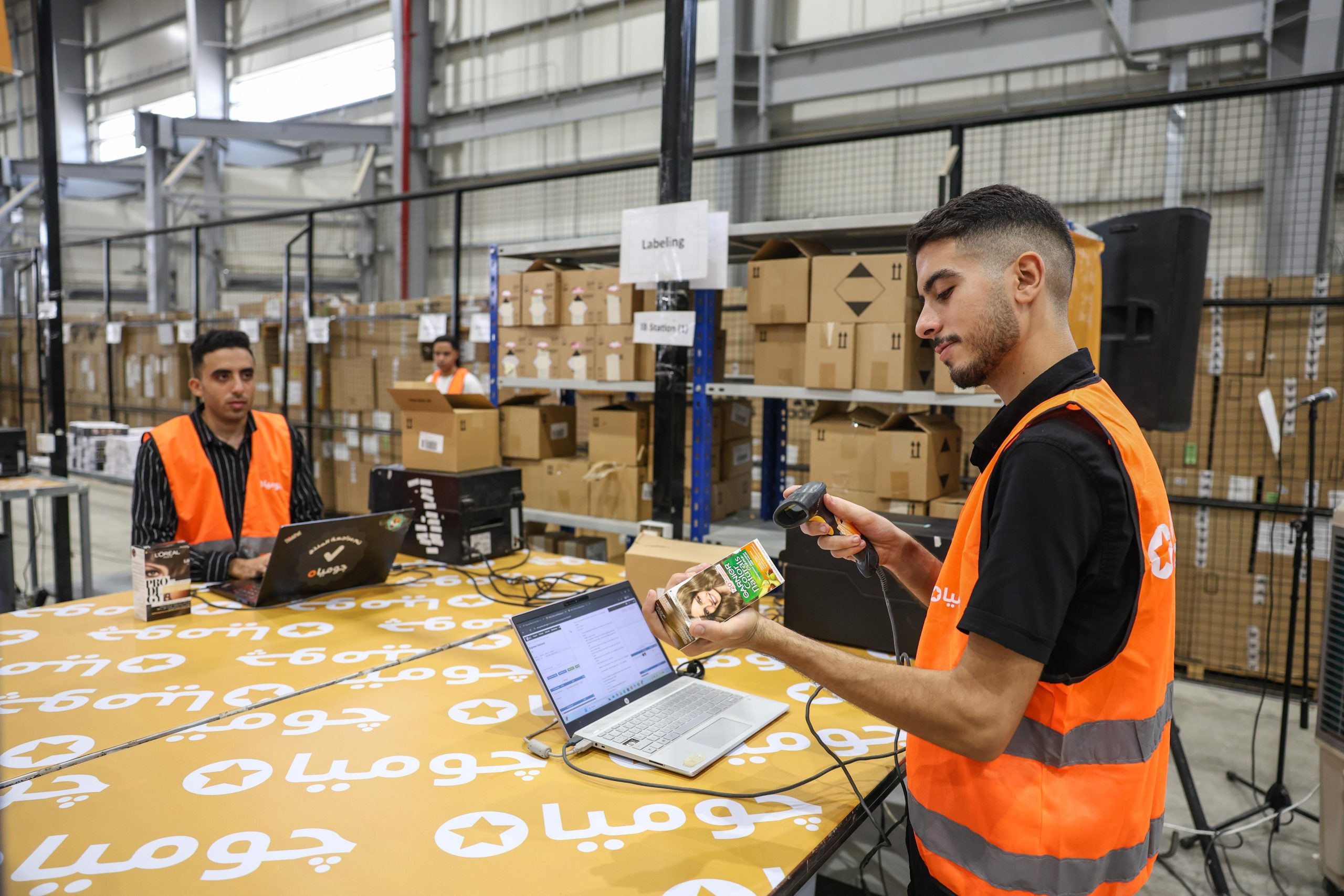
After years of losses, restructuring, and skepticism about African e-commerce, Jumia’s latest numbers are giving investors something they have not seen in a long time: confidence.
For years, Jumia became the company critics pointed to whenever conversations about African startups turned pessimistic.
The company went public before most African startups were ready for public markets. It faced short-seller attacks, struggled with losses, exited some markets, laid off staff, and repeatedly promised profitability that always seemed just out of reach.
Now investors are reacting differently.
Jumia reported Q1 2026 revenue of $50.6 million, up 39% year-over-year and ahead of analyst expectations of $47.36 million. Gross merchandise value grew 31% to $211.2 million, while gross profit rose 48%. The company also narrowed its adjusted EBITDA loss by 32% to $10.7 million.
Investors responded quickly. The company’s stock surged nearly 22% in pre-market trading following the results, extending gains that have already pushed the stock up more than 200% over the past year.
The Best Quarter Jumia Has Had in Years
The numbers matter not simply because they are positive, but because they suggest operational improvement across multiple parts of the business at the same time.
For years, Jumia’s biggest challenge was not proving that Africans would shop online. Demand for e-commerce already existed. The harder question was whether the company could build a business efficient enough to survive the realities of African logistics, fragmented infrastructure, delivery costs, and lower consumer purchasing power.
That is what investors appear to be watching more closely now.
Jumia is no longer just reporting sales growth. The company is also showing signs that it is becoming more disciplined operationally. Narrowing losses while growing revenue tends to carry more weight with public market investors than expansion numbers alone.
CEO Francis Dufay said the company expects 2026 to become the year Jumia demonstrates its path toward profitability, with a target of reaching EBITDA breakeven and positive cash flow in the fourth quarter of 2026 before moving toward full-year profitability in 2027.
Those are ambitious targets.
But unlike previous years, the latest results are giving investors clearer operational evidence to support the optimism.
Jumia’s Problem Was Never Just Revenue
For most of its existence as a public company, Jumia’s core problem was not attracting attention. It was convincing investors that large-scale African e-commerce could become sustainably profitable.
Building an e-commerce company in Africa is structurally difficult.
Delivery networks are fragmented. Address systems can be inconsistent. Logistics costs remain high across several markets. Consumer trust in online shopping still varies widely. Many customers prefer cash-based systems, while purchasing power pressures can affect transaction volumes quickly during economic downturns.
Public market investors tend to have limited patience for companies navigating those kinds of operational complexities while still burning large amounts of cash.
That pressure became even stronger after the broader global tech slowdown that followed the aggressive venture capital years of 2020 and 2021. Investors across the technology sector began focusing less on growth at all costs and more on operational discipline, profitability timelines, and cash flow management.
Jumia spent the past few years responding to that reality.
Years of Retrenchment May Be Starting to Pay Off
The company today looks very different from the version of Jumia investors saw during its earlier expansion-heavy years.
Over time, Jumia reduced costs, exited underperforming markets, restructured parts of the business, and narrowed its operational focus. Those decisions were often interpreted as signs of weakness at the time.
Now they may be starting to look more like survival discipline.
Jumia no longer appears focused on chasing the old narrative of becoming the “Amazon of Africa” as quickly as possible. Instead, the company seems increasingly focused on becoming leaner, more efficient, and more realistic about how African e-commerce scales.
That distinction matters because investors are now rewarding operational sustainability more aggressively than aggressive expansion alone.
The latest results suggest that years of retrenchment and restructuring may finally be translating into measurable financial progress.
Jumia Still Carries Bigger Expectations Than Most African Startups
Jumia occupies an unusual position inside Africa’s technology ecosystem.
As one of the continent’s largest publicly traded technology companies, its performance often shapes broader investor perceptions around African consumer technology businesses.
When Jumia struggles, skepticism around African e-commerce tends to grow louder. When the company performs well, conversations around the long-term viability of large-scale African digital commerce begin to shift again.
That symbolic role creates pressure most startups never face.
Jumia has promised profitability before, so investors still have reasons to remain cautious. But for the first time in a while, the company’s story is beginning to sound less like survival and more like operational progress.
Whether that momentum holds may shape how public markets judge African e-commerce over the next few years.