
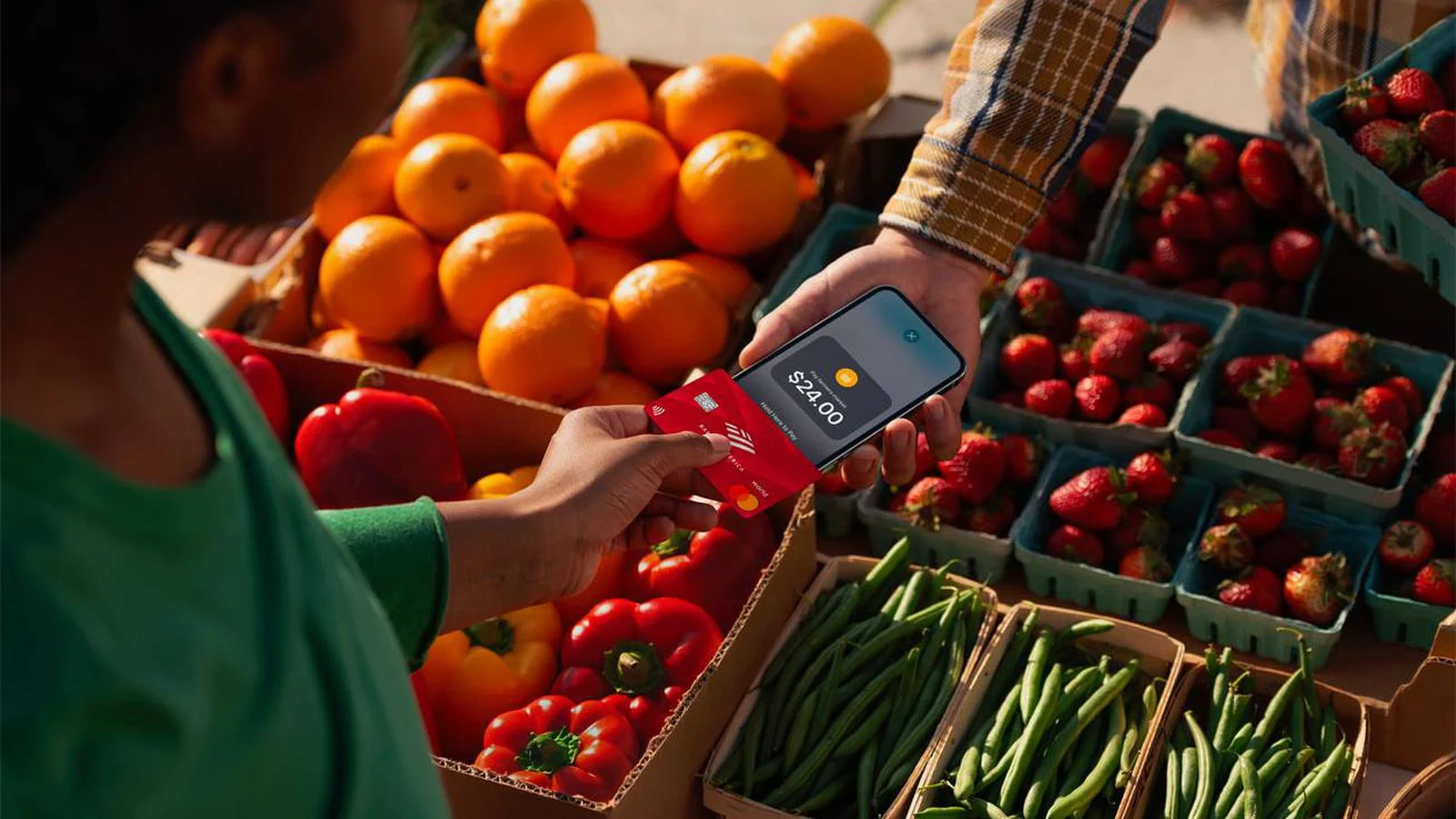
For years, accepting card payments usually meant dealing with chunky payment terminals sitting beside cash registers. Businesses needed separate hardware, banking setup processes, maintenance support, and additional costs just to process contactless transactions.
Now the terminal itself is starting to disappear.
Apple has officially launched Tap to Pay on iPhone in South Africa, allowing businesses to accept contactless card and digital wallet payments directly through an iPhone without needing separate payment terminals or card machines.
At first glance, the feature looks like another product rollout.
But underneath it is a much larger shift happening inside digital finance. Payment infrastructure is becoming increasingly software-based, and smartphones are starting to absorb functions that once required dedicated banking hardware.
Card Machines Are Becoming Software
Apple’s Tap to Pay feature uses NFC technology, the same short-range wireless system already used for contactless card payments and digital wallets like Apple Pay.
With the rollout, businesses can now accept payments directly on supported iPhones simply by having customers tap their contactless card, smartphone, or smartwatch against the device. No separate card reader is required.
According to Apple’s official Tap to Pay announcement, the feature works on iPhone XS models and newer devices running the latest iOS versions.
In South Africa, the rollout includes payment partners like Yoco and iStore Pay, helping local businesses integrate the service into existing payment systems.
The feature matters because it reflects a broader trend across fintech infrastructure. Functions that once depended on specialised banking hardware are increasingly being absorbed into devices people already use daily.
The smartphone is no longer just where digital payments happen. It is gradually becoming the payment infrastructure itself. This changes how financial systems scale.
Instead of requiring merchants to purchase separate terminals or maintain extra hardware, software-based systems can turn ordinary consumer devices into transaction tools almost instantly.

Why This Matters for Small Businesses
For small businesses, payment infrastructure can still be expensive and inconvenient.
Traditional point-of-sale systems often come with setup costs, hardware maintenance, banking approvals, transaction fees, and operational limitations that smaller merchants may struggle to manage easily.
That creates friction, especially for informal businesses, independent vendors, freelancers, cafés, creators, pop-up stores, and mobile-first entrepreneurs who already operate largely through smartphones.
Across many African markets, smaller businesses still rely heavily on bank transfers, cash payments, QR codes taped to counters, or WhatsApp confirmations because dedicated payment hardware can be costly or impractical.
By turning an iPhone into a payment terminal, the barrier to accepting digital payments becomes smaller.
A merchant who already owns a compatible device may no longer need to purchase separate card hardware just to process contactless transactions. That convenience could make digital payment adoption easier for businesses that previously avoided traditional card infrastructure because of cost or complexity.
This change also reflects shifting consumer behaviour.
Across many African cities, digital payments are becoming more normalised through fintech apps, mobile banking platforms, QR systems, and mobile money services. Consumers increasingly expect businesses to support contactless and digital payment options, even outside large retail environments.
That does not mean dedicated card machines disappear overnight.
Large retailers, supermarkets, restaurants, and formal banking environments will still rely heavily on traditional payment systems for scale, integration, and reliability. But the role of specialised hardware may gradually shrink as smartphones absorb more payment functionality.
Smartphones Are Becoming Financial Ecosystems
The launch also reflects how smartphones are evolving beyond communication devices into full financial ecosystems.
Phones already handle banking, transfers, digital wallets, lending services, identity verification, savings tools, and online commerce across much of the world. Increasingly, they are also becoming the infrastructure through which businesses process payments directly.
The smartphone is slowly becoming for small businesses what the cash register once was: the centre of commerce itself.
That shift is attracting major technology companies.
Apple has steadily expanded deeper into financial services through products like Apple Pay, Apple Wallet, savings features, and payment infrastructure tools integrated directly into its devices and software ecosystem.
The strategy is not unique to Apple.
Across the tech industry, companies are increasingly trying to position smartphones as central hubs for digital finance, commerce, and identity systems. Payment infrastructure that once depended on separate physical tools is gradually being consolidated into devices consumers already carry every day.
For fintech companies, this creates both opportunity and competition.
On the one hand, software-based payment systems can expand digital payment access quickly. On the other hand, global technology companies are becoming more deeply embedded in the financial infrastructure that was once controlled mainly by banks and specialised payment providers.
The result is a growing overlap between consumer technology and financial systems.
Africa’s Mobile-First Economy Makes This Shift More Important
The shift toward device-based payments could carry particular significance in African markets because much of the continent’s digital economy already operates through mobile-first behaviour.
In many African countries, smartphones became the primary gateway to the internet long before traditional desktop computing became widespread. Mobile banking, fintech apps, digital wallets, and mobile money systems also expanded rapidly in environments where traditional banking infrastructure was often limited or unevenly distributed.
Many users across Africa already manage large parts of their financial lives through mobile devices. Payments, transfers, savings, airtime purchases, ride-hailing services, and online shopping increasingly happen inside apps rather than through physical banking environments.
In that context, turning smartphones into payment terminals feels less like a dramatic behavioural shift and more like a continuation of existing digital finance habits.
South Africa’s rollout may also signal how global technology companies increasingly view African markets as important testing grounds for mobile-first financial infrastructure.
At the same time, adoption will still depend on practical realities like smartphone affordability, internet access, banking integration, merchant trust, and compatibility with existing payment systems. Features tied heavily to premium smartphone ecosystems may also remain inaccessible to large parts of the population.
Still, the broader direction of travel is becoming clearer.
The Line Between Phones and Financial Infrastructure Is Blurring
Payment terminals are not disappearing overnight. Dedicated banking hardware still plays an important role across retail, hospitality, and large-scale commercial environments.
But the role of separate payment hardware is beginning to shrink as smartphones absorb more financial functions directly into software.
What makes Apple’s South African launch important is not simply the feature itself. It is what the feature represents.

A device originally built for communication, entertainment, and internet access is gradually evolving into a financial infrastructure tool capable of processing transactions, storing payment credentials, verifying identities, and supporting commerce directly from software.
This reflects a larger transformation happening across digital finance globally.
The same smartphones people already use for messaging, banking, shopping, navigation, and entertainment are increasingly becoming the infrastructure powering payments.