Techsoma Africa
Latest Startups FinTech AI Tech Global Apps Opinions African
Policy & Regulations Artificial Intelligence Reports About Contact Advertise African Startup Ecosystem FinTech & Digital Money Artificial Intelligence Technology Global News Apps, Gadgets, Tools & Softwares Opinions & Perspectives African Telecommunications
Techsoma Africa
No Result
View All Result
Techsoma Africa
No Result
View All Result
Techsoma Africa
No Result
View All Result
Home African Telecommunications

Amazon Leo Opens Waitlist as Satellite Internet Rollout Expands to Africa and Global Markets

by Onyinye Moyosore
November 28, 2025
in African Telecommunications
Reading Time: 4 mins read
Amazon Leo

Amazon Moves Closer To Consumer Launch Of Its Satellite Internet Service

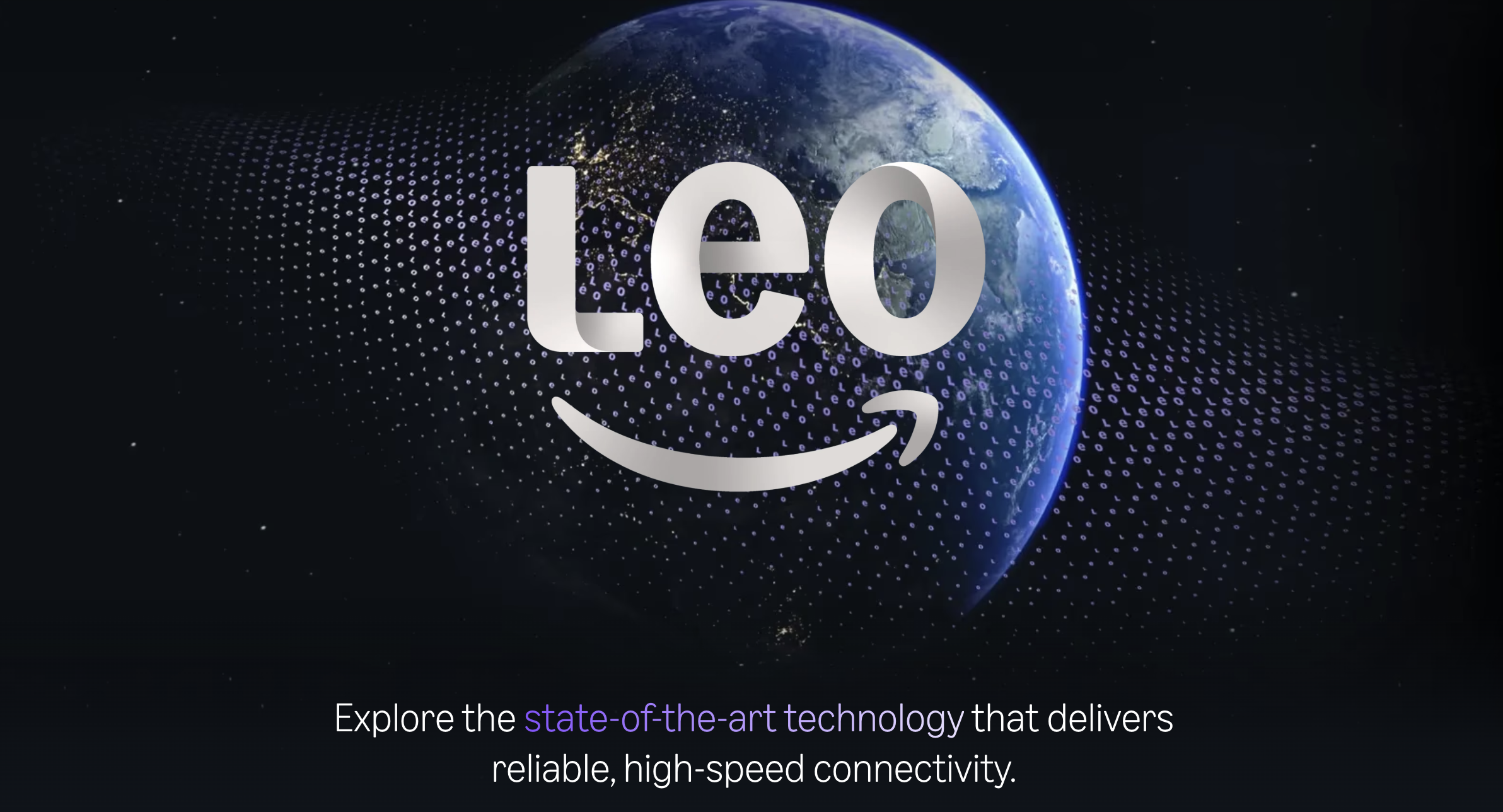
Amazon has opened the waitlist for Amazon Leo, its new low-Earth-orbit satellite internet service and the successor to Project Kuiper. The waitlist is now live in several regions, including Nigeria and South Africa, with similar early sign-up flows available in parts of Europe, India and other markets preparing for rollout.

Amazon Leo has more than 150 satellites in orbit, with regulatory approval for a full constellation of 3,236. The network is currently in enterprise preview, where select business and public-sector customers are testing performance. Wider consumer access is expected from 2026.

Amazon plans three terminal options: Leo Nano, a compact antenna for households and light-use environments; Leo Pro, a mid-range model for standard broadband; and Leo Ultra, a high-performance phased-array antenna capable of up to 1 Gbps download speeds for businesses, remote sites and high-demand users.

A Competitive Push Into Markets With Limited Broadband

The waitlist signals Amazon’s intention to compete directly with Starlink in countries where fixed broadband remains uneven and rural connectivity gaps persist. Nigeria and many African markets face patchy fibre coverage, congested mobile networks and limited options for remote communities. A second global satellite provider could shift pricing, availability and network resilience over time.

AmazonLeoUltra

The affordability picture is still forming. Amazon has not disclosed hardware or subscription pricing, though the introduction of the compact Leo Nano suggests a tiered approach aimed at households and SMEs as well as enterprise users. Actual accessibility will depend on local pricing, import rules and national regulatory decisions.

Technically, Amazon Leo combines low-latency LEO satellites, phased-array antenna systems and backbone integration with Amazon’s global cloud network. This architecture mirrors the general structure of other LEO services but benefits from the scale of Amazon Web Services. For enterprise customers, that alignment could support smoother connectivity for cloud workloads, edge computing and remote operations.

The Users And Industries Most Likely To Benefit

Households in underserved areas are early beneficiaries, along with rural schools, health centres, farms and local businesses that rely on stable internet for daily operations. Nigerian enterprises in logistics, mining, energy and fintech may also adopt Leo either as a primary connection or as a redundancy layer for critical systems.

Local ISPs and telecom operators will be watching Amazon’s entry closely. Increased competition in the satellite segment could influence pricing structures, licensing decisions and the pace of last-mile broadband investment.

What Amazon Has To Clear Before Availability Grows

Amazon will continue launching satellites through 2026 while securing country-level regulatory approvals. Hardware availability, subscription pricing and distribution channels remain undisclosed, and these factors will determine how quickly the service scales.

Key indicators to watch include national licensing outcomes, performance reports from early enterprise testers and any service bundles linked to AWS. In Nigeria and similar markets, meaningful change begins once the regulator approves the service and Amazon publishes local pricing and hardware options.

Related Techsoma coverage

  • Vodacom and Google Cloud Forge a High-Stakes Digital Transformation Deal
  • Namibia’s ICT Minister Donates 130 Smartphones During Epinga 4G Tower Launch
  • Vodacom Takes Majority Control Of Safaricom In €1.81 Billion Stake Deal
Onyinye Moyosore

Onyinye Moyosore

Onyinye Moyosore is a tech writer at Techsoma, where she covers startups, digital infrastructure, and how technology reshapes everyday life...

Recommended For You

Internet connectivity icons representing Starlink, MTN FibreX, and Spectranet, Nigeria's main broadband choices
African Telecommunications

Starlink vs MTN FibreX vs Spectranet: Which Is Worth It?

by Onyinye Moyosore
July 30, 2026

Everyone has strong opinions about internet providers in Nigeria, and almost none of them account for the one detail that actually matters: does fibre even reach your street? Here's a...

Read moreDetails
NCC approves data calculators

NCC Signs Deal With REA to Cut Telecom Diesel Costs

July 27, 2026
Picture of the Cursor AI Hackathon in Ethiopia

Ethio Telecom Backs Ethiopia’s Largest AI Hackathon at Adwa Museum

July 27, 2026

Starlink Launches in Côte d’Ivoire, No Ownership Fight

July 22, 2026

Kenyan Banks Undercut M-Pesa With Nearly Free Transfers

July 22, 2026
Next Post

The AI Data Bridge: Why the MCP Gateway is Essential for Production AI

Morocco cyber security

Morocco’s Cybersecurity Market Hits USD 1.2 Billion as Threat Activity Surges

Please login to join discussion

Browse by Category

  • African Startup Ecosystem
  • African Telecommunications
  • Apps, Gadgets, Tools & Softwares
  • Artificial Intelligence
  • Business & Markets
  • Creator Economy
  • Cybersecurity
  • Digital Work-Life Series
  • E-Commerce
  • Event Radar Africa
  • Exclusive Interviews
  • Explainers
  • Features/Spotlights
  • FinTech & Digital Money
  • Funding news
  • GenZ Desk!
  • Global News
  • Logistics & Mobility Tech
  • Media & Entertainment
  • News
  • Opinions & Perspectives
  • Opportunities, Careers & Learning
  • Partner
  • Policy & Regulations
  • Reports
  • Reviews
  • Tech Insights for Creators
  • Technology
  • Thought Leadership
  • Uncategorized
  • About Us
  • Advertise on Techsoma
  • Contact
  • Corrections Policy
  • Editorial Standards
  • Ownership and Funding
  • Privacy Policy
  • Publish Your Articles
  • Techsoma Africa
  • Terms of Service

Copyright 2026 Techsoma Africa. All rights reserved.

Welcome Back!

Login to your account below

Forgotten Password?

Retrieve your password

Please enter your username or email address to reset your password.

Log In
Techsoma Africa

© 2026 Techsoma Africa Media.

Company

Policy AI Reports About Contact Advertise

Legal

Terms Privacy RSS

Latest

Why Food Delivery Startups Struggle in Nigeria: A Deep Analysis The story of food delivery in Nigeria is not a simple tale of failure. It is a story... When Public Services Fail, Private Tech Steps In: The AURA Story South Africa's public emergency services are struggling. AURA has built a private alternative, connecting over 1 million users to 11,000 vetted responders. Now it's going global. Lebara Nigeria Partners Payaza to Power Seamless Digital Payments and Telecom Services Lebara Nigeria has entered into a strategic partnership with African payment infrastructure provider Payaza to integrate advanced payment...
Techsoma Network Techsoma Network Techsoma Africa Techsoma Middle East Techsoma Canada
Transparency About Editorial Standards Corrections Ownership & Funding Privacy Terms Contact
No Result
View All Result
  • About Us
  • Advertise on Techsoma
  • Contact
  • Corrections Policy
  • Editorial Standards
  • Ownership and Funding
  • Privacy Policy
  • Publish Your Articles
  • Techsoma Africa
  • Terms of Service

Copyright 2026 Techsoma Africa. All rights reserved.