

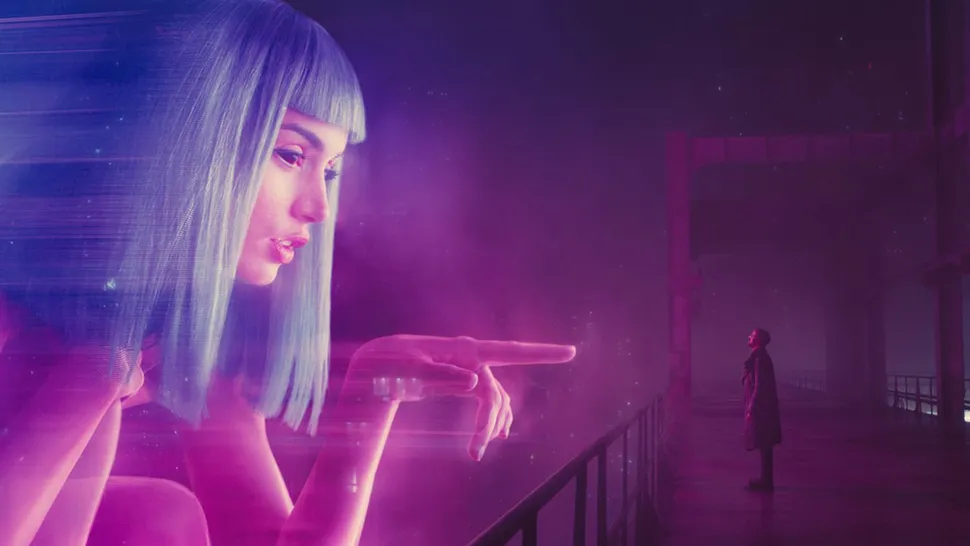
AI movies are now a common sight on Nigerian TikTok and YouTube. Episodes of family drama, revenge stories and village tales, with faces, voices and settings built by AI tools, gather likes and comments by the thousands. Many carry hashtags promising “Nigerian AI movies,” and viewers keep coming back for the next episode.
Why Viewers Are Tuning In
Nigerians have always loved stories told in episodes, with cliffhangers and strong emotion. AI productions fit that appetite. They are cheap enough to release often, and creators can make a new episode within days instead of months. For viewers on mobile data, short and free episodes on social platforms are also easier to reach than a cinema ticket.
The Industry Is Moving Too
This is no longer only a hobby for online creators. Established filmmakers are experimenting. Tunde Kelani recently released a Yoruba satirical micro-series that uses AI-assisted visuals and animation. Niyi Akinmolayan’s Colours of Fire drew strong reactions from viewers over its use of AI in effects and scene creation. A dedicated Naija AI Film Festival in Lagos is heading into its second edition, with categories for films made or enhanced by AI.
The numbers on the production side point the same way. A 2024 industry survey found that about 35 percent of Nigerian film and television stakeholders already used AI in their work, with another 35 percent considering it.
Where the Hype Runs Ahead of the Facts
It would be easy to call this the end of traditional filmmaking, but the evidence does not go that far. Much of the industry’s AI use is behind the scenes, in posters, soundtracks, voice work and visual effects, not in fully machine-made films. Online views also do not equal paying audiences, and cinema hits still draw big crowds. A recent Nollywood release, for instance, passed the N100 million mark at the box office without relying on AI as its selling point.
Reception elsewhere is a reminder that audiences can be harsh. A fully AI-generated animated film released in Honduras this year was heavily criticised by viewers and critics alike, which shows that novelty fades when the storytelling disappoints.
What Comes Next
The more realistic picture is a split industry. AI will likely take over cheap, high-volume content and many technical tasks, while star-led and prestige productions lean on human talent. The real contest will be over trust, quality and jobs, especially for actors, voice artists and animators whose work these tools can imitate.
Nigerian viewers have shown they are open to AI-made stories. Whether AI dominates will depend on whether those stories keep earning their attention.