
The AI build-out is changing what ordinary computers cost. Memory chips that once sat quietly inside laptops and desktops are now among the most contested components in tech, and buyers are paying for it.
Why Memory Became the Bottleneck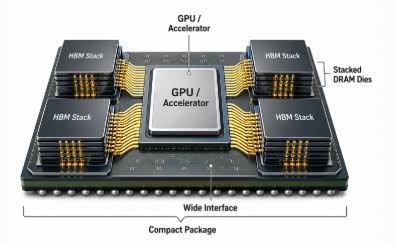
AI accelerators depend on high-bandwidth memory (HBM), a stacked form of DRAM. It uses roughly three times the factory capacity per gigabyte that ordinary DDR5 does. Every wafer committed to HBM leaves fewer chips for the memory in a laptop.
Samsung, SK hynix and Micron make the bulk of the world’s DRAM, and all three are chasing the higher margins on AI memory. TrendForce put DRAM contract price growth at 90 to 95 percent in the first quarter of 2026 alone. Gartner has projected that combined DRAM and SSD prices could rise about 130 percent by the end of the year.
What Buyers Are Paying Now
Retail prices show the squeeze most clearly. In early November, the cheapest tracked 32GB DDR5 desktop kit at a major US retailer cost about $480. The lowest price on record for a comparable kit was around $72. DDR4, long seen as the budget escape route, has also climbed sharply, with one tracker showing the common chip up almost threefold in under a year.
Computers Are Costing More and Selling Less
Higher component costs are now reaching finished machines. IDC reported that global PC shipments fell 20.1 percent in the third quarter to 62.7 million units, the worst Q3 decline it has recorded. HP shipments dropped 30.9 percent, Dell fell 25 percent and Lenovo, still the market leader, slipped 22.6 percent.
IDC says part of the slump comes from vendors and retailers stocking up early in the year to beat expected price rises, which left little demand for the third quarter. The firm forecasts average PC selling prices will rise 18.3 percent in 2026 and stay above 2025 levels even after memory supply improves.
Smartphones are feeling it too. IDC reported that global smartphone shipments fell 22 percent in the quarter to 255.3 million units.
Memory Makers Are Having a Record Year
For the companies selling the chips, the shortage is a windfall. SK hynix reported third-quarter revenue of 104.6 trillion won and operating profit of 83.3 trillion won, an operating margin of 80 percent. Samsung posted a record operating profit of 107.4 trillion won for the same quarter, with HBM4 revenue more than tripling from the previous quarter.
Both companies are shipping HBM4, the newest generation of AI memory, in volume.
What This Means for Buyers
Discounts will appear as retailers clear stock, but analysts expect prices to stay well above last year’s. Buyers who need a device soon face a market where waiting is unlikely to bring prices down quickly. Those who can may find that buying only the memory they need is the practical way to limit the damage.