
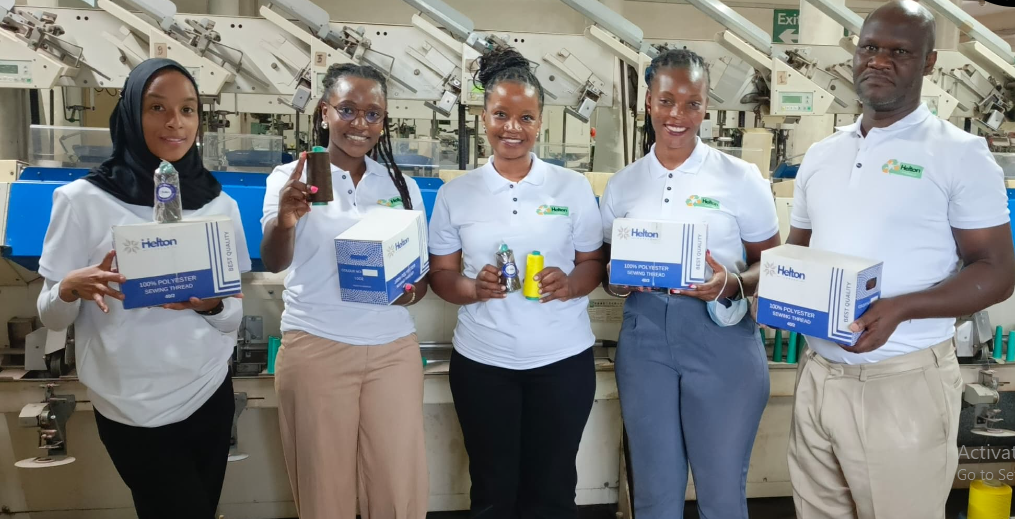
Helton Traders just won an entrepreneurship contest by building a product that solves two clear problems in Uganda. The startup turns discarded plastic into sewing thread and fabric, and that idea helped it win the 2026 Global Entrepreneurship Congress Uganda Pitching Competition. Judges picked the company from 10 finalists selected from more than 100 applications. The win also gives Helton Traders a place at the GEC+ Africa conference in Cape Town later this year.
Helton Traders solves a real local problem
Uganda has a plastic waste problem, and local textile businesses also need steady access to sewing thread. Helton Traders combines both needs in one business. The company says it turns Uganda’s plastic bottle waste into polyester sewing threads and sells a local product that reaches buyers faster and at a better price than imported options.
Founder Hellen Munyasa has kept the model practical. UNDP says the startup collects plastic, shreds it into small pieces, mixes it with cotton waste, and then turns it into thread for sale in Uganda. That process gives plastic waste a clear second use and helps textile traders source materials closer to home.
How the company builds textile materials from waste
Helton Traders has already moved past the idea stage. UNDP says the startup received grant support, business training, and mentorship through the Youth4Business Innovation and Entrepreneurship Facility. That support also helped the company connect with manufacturing players such as Fine Spinners, which provided machinery for final production. Those details matter because green startups often fail when they cannot secure equipment, supply chains, or reliable buyers. Helton Traders has started building those pieces early.
The company’s own site shows the same business direction. It frames its product as a response to thread shortages in Uganda and East Africa, not just as an environmental fix. Buyers in manufacturing rarely pay for a good story alone. They pay for quality, price, and delivery. When a startup can add waste recovery on top of those basics, the business gets stronger.
The GEC Uganda competition gave the startup a bigger stage
The recent competition win gives Helton Traders more than a headline. The startup received Shs2 million and will represent Uganda at the GEC+ Africa Conference in Cape Town on September 16 and 17. The event will bring together founders, investors, and support networks from across the continent. For a young company in manufacturing, that kind of exposure can lead to supply deals, industry partnerships, and stronger market access.
They want businesses that solve hard local problems and show evidence of demand. Waste recovery, clean production, and practical industrial tools now get more serious attention than flashy consumer ideas with weak margins. That is one reason this win stands out. Helton Traders does not sell a vague promise. It sells a product that factories and traders can use.
The next step is scale
Winning a pitch contest gets attention, but scale will decide the next chapter. Helton Traders now needs to keep supply flowing, maintain product quality, and win more buyers in Uganda and the wider East African textile market. The company says it wants to address the undersupply of polyester sewing threads in Uganda and East Africa. That gives it room to grow, but it also raises the bar on execution.
Still, the startup has already shown the kind of focus that many African tech companies now need. It serves a real market. It builds around a hard local problem. It has early institutional backing, industry links, and a product that buyers can understand without a long pitch deck. That makes Helton Traders one of the more grounded stories in East Africa’s green startup space right now.