
More than 50 million African students use digital learning platforms today, jumping from just 5 million in 2018. This explosion shows how fast technology spreads across the continent’s schools.
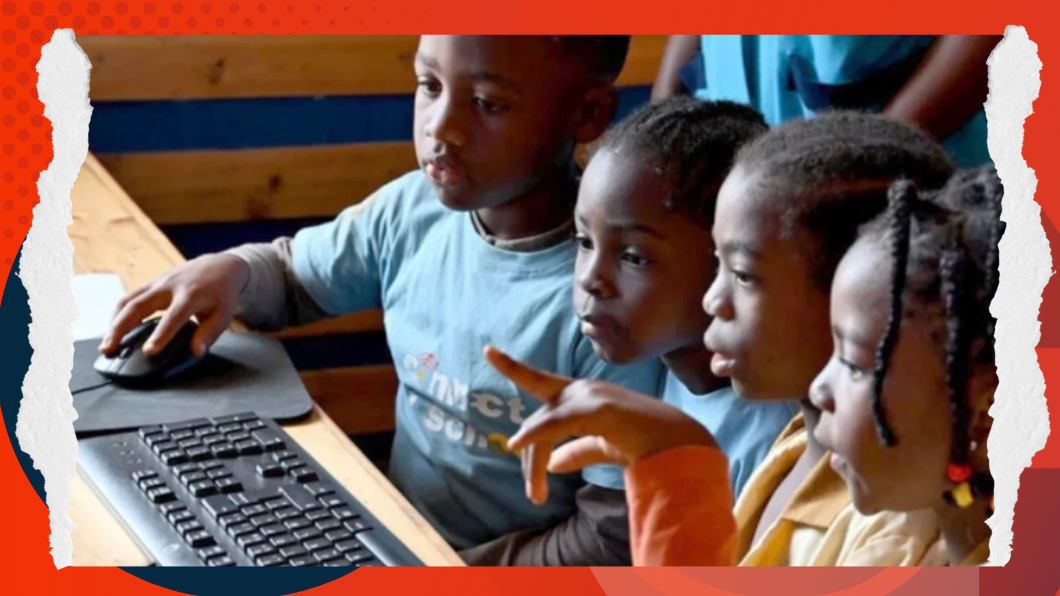
The change happens in villages and cities alike. Children who once struggled to find textbooks now have access to thousands of lessons on mobile phones. Teachers use smart screens to show science experiments. Students take tests on tablets that give instant feedback.
Mobile Phones Replace Missing Teachers
African schools face a teacher shortage. Many rural areas have no qualified science or math teachers. EdTech companies saw this gap and built solutions around mobile phones.
Eneza Education reaches over 5 million students across East Africa through basic text messages. Students text questions and get answers within minutes. The platform works on old Nokia phones that cost $20.
In Nigeria, uLesson delivers video lessons that follow local exam curricula. The app downloads content when an internet connection is available, then plays videos offline. Over 12 million students use the platform to prepare for national exams.
Government Programs Put Tablets in Every Classroom
Kenya’s Digital Literacy Program gives green tablets to primary school students and blue laptops to teachers. The government distributed devices to over 20,000 public schools. Each tablet contains offline lessons in English, Swahili, and local languages.
Rwanda takes a different approach with smart classrooms. The country equipped 1,159 secondary schools with projectors, computers, and internet connections. Students in remote areas join live classes broadcast from the capital city.
Nigeria partners with UNICEF to run the Learning Passport program. The platform registered 2.2 million learners in two years. Students access curriculum-aligned materials that work online and offline.
Startups Build Apps That Work on Cheap Phones
African EdTech companies design for reality, not Silicon Valley fantasies. Most students own basic Android phones that cost under $50. Apps must work with slow internet and frequent power cuts.
Gradely from Nigeria tracks student performance across multiple subjects. Teachers see which topics students struggle with most. The platform adjusts lesson difficulty based on individual progress.
Kidato in Kenya offers a complete K-12 curriculum aligned with international standards. Students pay via mobile money in small weekly amounts instead of large upfront fees.
Language Barriers Disappear with Local Content
African students speak hundreds of different languages at home. Traditional textbooks only come in English or French. New platforms create content in local languages.
The Nigeria Learning Passport translates materials into Hausa, Igbo, and Yoruba. Students learn faster when lessons use familiar words and examples from their communities.
Ubongo produces educational cartoons in Swahili, English, and other African languages. Children watch math and science shows that feature local characters and settings.
Internet Arrives Through Satellites and Cell Towers
Starlink now operates in 18 African countries, bringing fast internet to remote schools. Villages that waited decades for fibre optic cables get broadband in weeks.
The UNICEF Giga initiative maps schools without internet connections. The program aims to connect 500,000 African schools by 2030. Each connected school can access global learning resources and join virtual classrooms.
Mobile networks expand rapidly across rural areas. Sub-Saharan Africa will have 518 million mobile internet users by 2030, up from 320 million in 2023.
Teachers Learn Digital Skills Through Workshops
Technology only works when teachers know how to use it. TECNO and UNICEF run digital teaching workshops across Nigeria. Over 1,000 teachers learned to create online lessons and track student progress.
Many programs train teachers to blend traditional and digital methods. Students still need face-to-face interaction, but technology helps with practice problems and individual tutoring.
Students Pay Through Mobile Money Instead of Banks
Most African families don’t have bank accounts, but they use mobile money for daily transactions. EdTech platforms accept payments through M-Pesa, MTN Money, and similar services.
Parents pay small weekly amounts instead of large semester fees. A family might spend $2 per month for complete access to video lessons, practice tests, and teacher support.
Success Stories Show Real Impact on Test Scores
Rwanda’s smart classroom program improved science exam scores by 15% in participating schools. Students who used tablets and projectors performed better than those with only textbooks.
Kenya’s digital literacy students show higher engagement in math and science subjects. Teachers report that children ask more questions and complete homework more consistently.
Nigeria’s Learning Passport users score higher on national exams compared to students using only traditional materials. The platform’s adaptive learning adjusts to each student’s pace and learning style.
Major Challenges Still Block Many Students
Power cuts affect 40% of African schools regularly. Solar panels help, but cost money that many schools don’t have. Students charge devices at home or walk to nearby businesses with electricity.
Internet costs remain high for poor families. Data plans that seem cheap in rich countries eat up significant portions of African household budgets.
Many rural schools lack trained computer teachers. Tablets and laptops sit unused because no one knows how to maintain or operate them properly.
Investment Money Flows Into African EdTech
The African e-learning market will reach $7.7 billion by 2033, growing at 9.1% per year. International investors fund local startups that understand African challenges.
Time Magazine recognized uLesson as one of the world’s top EdTech rising stars in 2025. The platform attracts millions in funding to expand across West Africa.
Local telecom companies partner with education platforms to offer free or discounted data for learning apps. Safaricom in Kenya provides free access to educational content during exam periods.
The Future Looks Bright for Digital Learning
Artificial intelligence will personalize lessons for each student’s learning style. AI tutors will answer questions in local languages 24 hours per day.
Virtual reality labs will let students conduct chemistry experiments safely. Augmented reality will show 3D models of human anatomy or historical events.
5G networks will reach 17% of African connections by 2030, enabling real-time video classes and instant feedback on assignments.
African students today have access to better educational resources than their parents ever imagined. Technology doesn’t solve every problem, but it gives millions of children new opportunities to learn and succeed.