

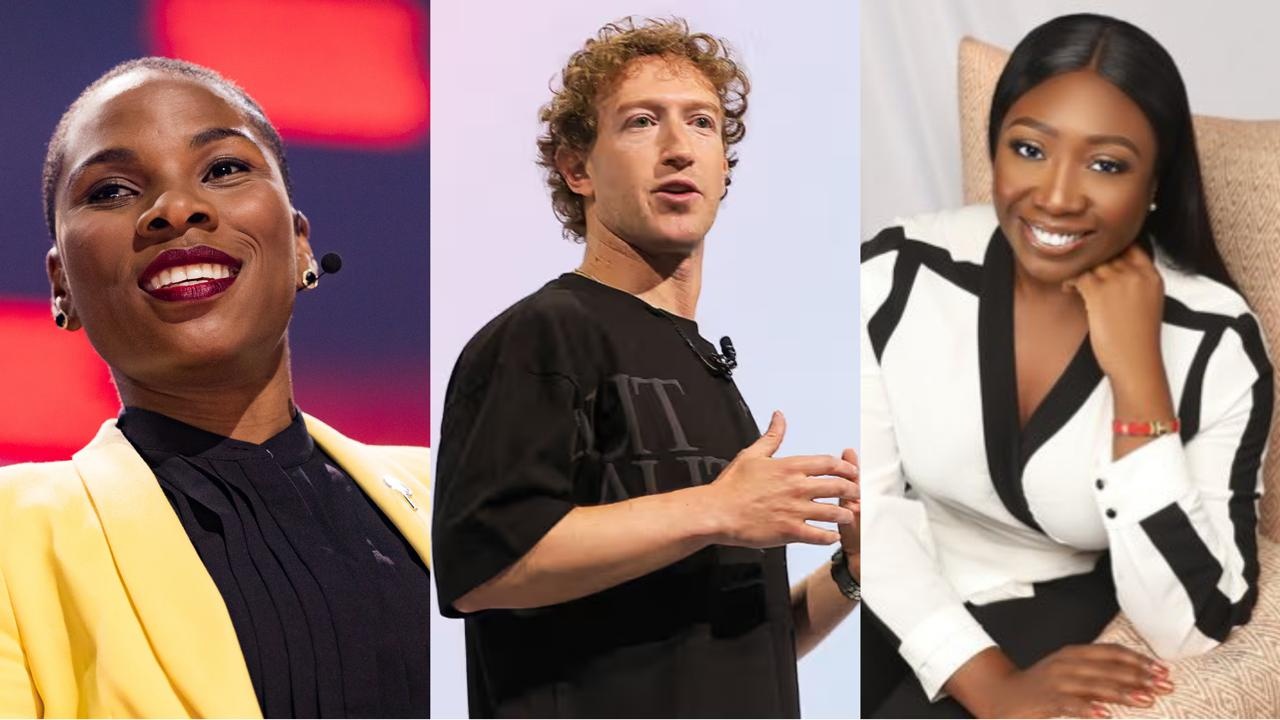
Meta, the parent company of Facebook, Instagram and WhatsApp, recently announced its decision to cease fact-checking posts on its platforms. Instead, the tech giant plans to implement a community-driven content moderation model, a move reminiscent of X’s (formerly Twitter) Community Notes system under Elon Musk’s leadership. While Meta frames this as a step toward fostering transparency and decentralizing content oversight, the decision has ignited widespread concern and outrage among journalists, cultural commentators, and fact-checking organizations.
At the forefront of this backlash are voices like Stephanie Busari, an award-winning journalist who recently celebrated 25 years in journalism and 16 years at CNN; and Luvvie Ajayi, a four-time New York Times bestselling author and prominent cultural critic. Both have taken to social media to call out the potential dangers of Meta’s policy shift, voicing fears about the erosion of accountability in a world already plagued by misinformation.
Stephanie Busari: The Magafication of Social Media
Stephanie Busari has long been a fierce advocate for truth and accuracy in journalism. In a scathing critique, she described Meta’s decision as a dangerous move toward what she termed “the Magafication of social media,” referencing the increasing polarization and erosion of factual discourse in the digital age. “Facts are SACRED and cannot be biased,” Busari asserted. “Something is either TRUE or it isn’t. There are no alternative facts.” She further warned that this policy could pave the way for anarchy by amplifying hate speech under the guise of free expression.
Busari’s comments underscore a critical point: freedom of speech does not equate to freedom of consequence. Without institutional safeguards like professional fact-checking, platforms risk becoming breeding grounds for harmful misinformation—a concern magnified by recent events, from election interference to public health crises exacerbated by fake news.
Luvvie Ajayi: “This Is Appalling”
Luvvie Ajayi, known for her incisive takes on cultural and societal issues, echoed Busari’s concerns. In an Instagram post, Ajayi described Meta’s policy as “appalling” and “beyond disappointing.” Ajayi, who has consistently used her platform to advocate for ethical responsibility in media, emphasized the broader implications of unchecked misinformation, warning that such a shift could erode public trust in digital platforms.
Why Did Meta Make This Decision?
Meta’s decision to discontinue fact-checking partnerships aligns with growing calls for transparency and decentralized oversight. Inspired by X’s Community Notes system, the move aims to give users a more direct role in verifying content. However, critics argue that this model lacks the rigour of professional fact-checkers, leaving platforms vulnerable to manipulation by bad actors.
Moreover, some analysts suggest that this shift may be a response to mounting legal and regulatory scrutiny. By decentralizing content moderation, Meta could potentially deflect accountability for the spread of harmful content. But as Stephanie Busari aptly noted, this approach shifts responsibility without addressing the root causes of misinformation.
Fact-Checkers Respond: An Emergency Call to Action
The announcement has sent shockwaves through the global fact-checking community, which has relied on partnerships with platforms like Meta to combat the proliferation of misinformation. In response, fact-checkers convened an emergency meeting to discuss the implications of this decision and to strategize on how to mitigate its impact.
Organizations like the International Fact-Checking Network (IFCN) and its affiliates expressed grave concerns about the ripple effects on public discourse. “This move undermines years of progress in fighting misinformation and disinformation,” one fact-checker said during the meeting. The community is now calling on Meta to clarify how it plans to prevent the spread of harmful content in the absence of traditional fact-checking partnerships.
The Broader Implications
Meta’s decision reflects a larger shift in how digital platforms balance content moderation and free speech. While proponents argue that the move reduces the potential for censorship and bias, critics fear it opens the floodgates for unchecked misinformation.
Busari’s concerns align with those of many experts who see fact-checking as critical to the health of democratic discourse. “Freedom of speech has been enshrined in global laws for decades, but it comes with responsibility,” Busari noted. Without institutional safeguards, the line between truth and opinion becomes increasingly blurred, threatening the very foundations of informed debate.
A Risky Gamble
Meta’s shift to a community-driven moderation system is a risky gamble, and the coming months will reveal whether it fosters innovation or deepens the challenges of misinformation. For now, the outcry from journalists like Stephanie Busari, cultural critics like Luvvie Ajayi, and the fact-checking community serves as a stark warning: the stakes in this digital era are higher than ever, and the cost of missteps could be catastrophic for truth and trust.