
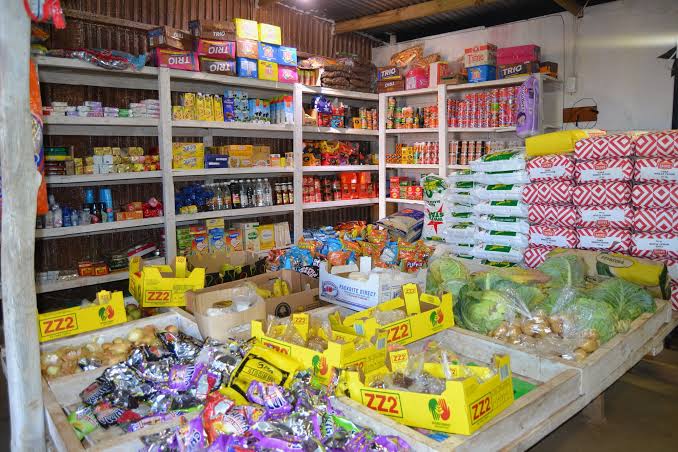
South Africa’s township convenience stores, known as spaza shops, are facing a shakeup that goes far beyond who owns them. Following weeks of anti-immigrant protests that shut down hundreds of foreign-owned spaza shops across KwaZulu-Natal, Gauteng, and the Western Cape, township residents have found themselves paying significantly more for everyday essentials like bread, sugar, and other basic groceries.
Rising Prices Expose a Deeper Business Problem
According to the Africa Diaspora Forum, a migrant advocacy group, the price of bread in some communities has more than doubled since the closures began. The disruptions have sparked heated debate online and on local radio, with residents split between welcoming locally owned businesses and worrying about affordability. At a recent industry roundtable in KwaZulu-Natal, South African shop owners admitted they struggle to match the bulk-buying power and supplier networks that helped foreign-owned retailers keep prices low.
That admission points to the real story shaping South Africa’s roughly $53.6 billion township economy: the competitive edge in spaza retail was never really about nationality. It was about access to capital, supply chains, and data, three things fintech is now positioned to deliver regardless of who runs the till.
Government Bets on Digital Infrastructure
South Africa’s Department of Small Business Development has been building toward this shift for over a year. Since launching a R500 million Spaza Shop Support Fund in 2025, the department has paired funding with point-of-sale systems, inventory management software, digital payments, and compliance support for qualifying township retailers.
The Small Enterprise Development Finance Agency has already begun equipping eligible shops with modern POS devices capable of barcode inventory tracking, real-time stock management, and sales analytics, tools that go well beyond simple card processing for retailers that have historically run almost entirely on cash.
Supply Chains Remain the Bigger Bottleneck
Even with better technology, entrepreneurs and analysts note that many South African retailers are now sourcing stock individually rather than through the coordinated buying networks foreign-owned shops once relied on. Without that collective purchasing power, wholesalers offer fewer discounts, and those higher costs get passed on to consumers, many of whom are already stretched by stagnant incomes.
Digitising payments and inventory can unlock better credit terms and supplier negotiations, but it can’t single-handedly fix a fragmented supply chain or replace the affordable wholesale access that bulk buying once provided.
The Road Ahead
As anti-immigrant tensions continue reshaping township retail, the sector’s long-term survival looks less like a question of who owns the shop and more like a question of who can access affordable finance, efficient supply chains, and the digital infrastructure needed to keep prices down and shelves stocked. For South Africa’s informal economy, that shift, not the change in ownership itself, may prove to be the more consequential transformation.