


Nigeria has signed an agreement with Chinese satellite company Galaxy Space to bring direct-to-device satellite connectivity to the West African nation. The partnership marks a significant step forward in Nigeria’s digital infrastructure development and could make it the first African country to deploy this technology at scale.
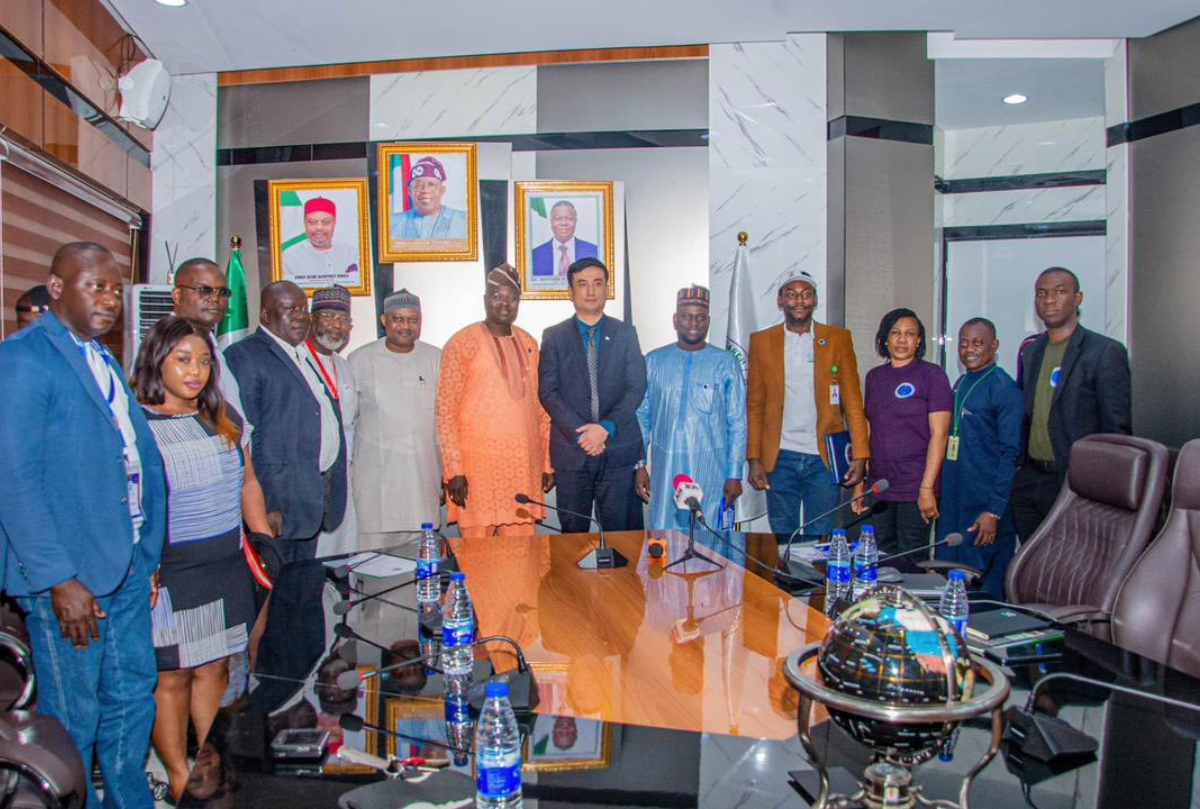
The National Space Research and Development Agency (NASRDA) signed the memorandum of understanding with Galaxy Space on Wednesday in Abuja. The deal will roll out Direct-to-Device (D2D) satellite communication services across Nigeria before the end of 2025.
How the Technology Works
Direct-to-device satellite technology allows smartphones and other digital devices to connect directly to satellites orbiting Earth. This eliminates the need for traditional cell towers or terrestrial base stations. Users can make calls, send messages, and access internet services even in remote areas where no cellular infrastructure exists.
The technology works by leveraging existing cellular networks and repurposing them to interact with satellite constellations. Standard mobile phones can communicate with satellites in space without requiring any hardware changes, firmware updates, or special apps.
Galaxy Space will deploy a constellation of low-cost, low-Earth orbit satellites that have already been tested successfully in Asia and South America. These satellites operate much closer to Earth than traditional geostationary satellites, providing better signal strength and lower latency.
Eliminating Coverage Gaps
NASRDA Director-General Dr. Matthew Adepoju called the agreement “a major milestone” in Nigeria’s space and communications development. He explained that the technology will eliminate network blind spots throughout the country.
“With this collaboration, Nigeria is embracing the future of communication direct satellite connectivity without reliance on traditional terrestrial infrastructure like cell towers. This means your phone, laptop, or workstation can connect directly to satellites, enabling seamless communication even in areas without network coverage.” Adepoju said during the signing ceremony.
The partnership addresses a critical challenge in Nigeria, where many rural and underserved regions lack reliable cellular coverage. Traditional telecommunications infrastructure is expensive to build and maintain in remote areas, making satellite connectivity an attractive alternative.
Technology Transfer and Local Development
Beyond improved connectivity, the deal includes significant technology transfer components. Galaxy Space will work with Nigerian engineers to build local capacity for satellite communication technologies. The partnership includes plans for joint research and development labs and training programs.
“It is time Nigeria stopped depending entirely on imported tech devices. We must begin to develop and produce some of these technologies locally,” Adepoju emphasized.
Galaxy Space representative Sam Xiao proposed a joint project to build a CubeSat miniaturized satellite. Nigerian engineers would participate in the design, manufacturing, and operational phases of the project.
The agreement also includes provisions for co-production facilities staffed by Nigerian engineers, potentially creating a domestic satellite manufacturing capability.
Competitive Advantage
The partnership could give Nigeria a significant head start in satellite connectivity. While Elon Musk’s Starlink has hinted at plans to offer direct-to-cell services in countries where it operates, including Nigeria, no timeline has been announced for the rollout.
Starlink’s direct-to-cell service is currently available in only six countries: the United States, Canada, New Zealand, Japan, Australia, and Switzerland. The company plans to work with local network carriers in each market to deploy the service.
If Nigeria successfully implements the Galaxy Space partnership, it could become the first African country to offer widespread direct-to-device satellite connectivity to its citizens.
About Galaxy Space
Galaxy Space is a Chinese commercial space company founded in 2016 that specializes in developing and manufacturing low-cost, mass-production low-Earth orbit satellites. The company has built China’s first LEO satellite broadband communication test constellation called “Mini Spider.”
The company has successfully demonstrated mobile-to-satellite communication technology and has partnerships with telecommunications providers in several countries. Galaxy Space aims to deploy 1,000 satellites for direct-to-device services as part of its broader constellation plans.
Regional Impact
The partnership positions Nigeria as a potential launch pad for deploying D2D technology across Africa. Galaxy Space’s Sam Xiao noted that Nigeria could serve as a hub for expanding satellite connectivity services to other African nations.
This aligns with broader trends in Africa’s space sector, where several countries are investing in satellite technology to address infrastructure gaps and connectivity challenges.
Implementation Timeline
Full deployment of the D2D satellite technology is expected before the end of 2025, according to NASRDA. The rapid timeline suggests that Galaxy Space’s existing satellite constellation and proven technology will be adapted for the Nigerian market.
The partnership establishes Nigeria as a testing ground for large-scale direct-to-device satellite services in Africa, with potential implications for telecommunications across the continent.
The agreement represents a significant shift in how Nigeria approaches digital infrastructure development, moving beyond traditional terrestrial networks to embrace space-based communication technologies.