

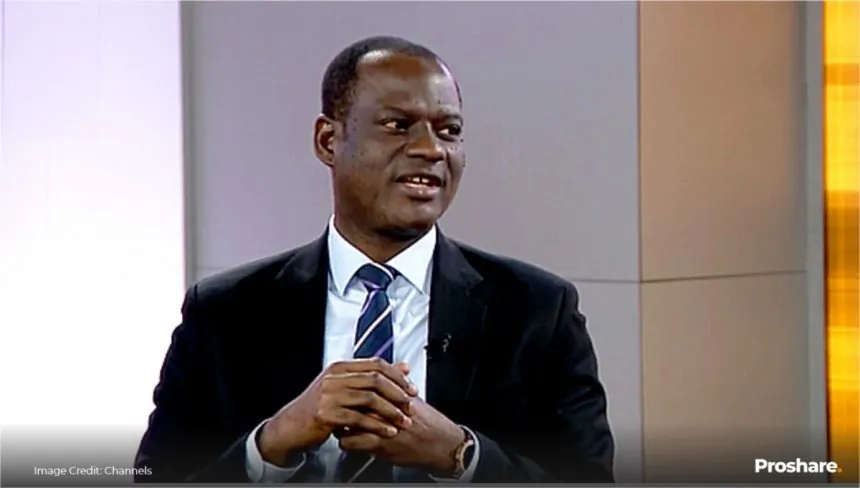
Nigeria is entering a new phase in its tax reform agenda. Taiwo Oyedele, chairman of the Presidential Committee on Fiscal Policy and Tax Reforms, recently outlined a system where the government will rely less on voluntary declarations and more on digital surveillance to understand how much citizens actually earn.
The core idea is to use technology, banking records and national databases to build an automatic picture of every taxpayer’s financial life. This represents a fundamental change from a system that waits for citizens to declare income to one that actively monitors financial behaviour.
How the State Plans to Map Financial Footprints
The government’s approach involves gathering data from multiple platforms to create a “financial footprint” for every individual. This includes:
-
Bank account activity
-
Phone numbers and telecom records
-
National Identification Number (NIN) profiles
-
Other third-party financial data at scale
This combined information gives authorities a clearer view of income patterns, spending levels and lifestyle indicators. It is intended to identify people whose declared income does not match their financial behaviour.
Where Bank Accounts Become a Compliance Tool
One of the most notable elements of Oyedele’s explanation is the government’s intention to use bank accounts as an enforcement mechanism.
If the system flags a taxpayer with income patterns that do not align with their declarations, they will be asked to justify the discrepancy. If they fail to do so, the system gives the government the power to deduct the owed tax directly from their account.
This is designed to remove the long lag between tax assessment, dispute and enforcement. The state wants a near-automatic loop: detect, verify, notify and deduct.
The Push for a More Assertive Tax Culture
The introduction of surveillance-based tax tracking follows a pattern seen in other economies with large informal sectors. Nigeria’s challenge has long been low compliance, weak data infrastructure and widespread under-reporting.
Officials argue that the new model will:
-
Reduce tax evasion
-
Capture income from high-earners previously overlooked
-
Increase fairness between individuals who pay and those who avoid payment
-
Strengthen revenue without introducing new taxes
It is part of a broader national revenue overhaul that aims to modernise how the state interacts with its citizens financially.
The Concerns of a Watched Population
While the government frames the move as a modern solution to a long-standing revenue challenge, it also raises questions about privacy, data security, and the level of surveillance citizens will face.
The concept of the state having deep insight into bank accounts, phone records and identity data introduces a new relationship between Nigerians and their government: one where financial privacy becomes narrower. Citizens worry about misuse, overreach and the potential for errors that may affect legitimate earners.
A Future Defined by Automated Compliance
Nigeria’s tax reforms are shifting the burden from self-reporting to systemic monitoring. By building a nationwide digital footprint for each taxpayer, the government wants compliance to be automatic, not optional.
The coming years will determine whether this surveillance-driven model boosts revenue without undermining citizen trust. But one thing is clear: Nigeria is moving toward a tax system where the government watches first, and asks questions later.
The Techsoma Briefing
Stay with the story.
Keep up with the companies, ideas and people shaping African tech. Get the briefing in your inbox.
Free to subscribe. Unsubscribe anytime. Privacy policy