
Techsoma Africa
Latest Startups AI FinTech Global Tech Apps Opinions Reports
Policy & Regulations Artificial Intelligence Reports About Contact Advertise African Startup Ecosystem Artificial Intelligence FinTech & Digital Money Global News Technology Apps, Gadgets, Tools & Softwares Opinions & Perspectives Reports
Techsoma Africa
No Result
View All Result
Techsoma Africa
No Result
View All Result
Techsoma Africa
No Result
View All Result
Home African Startup Ecosystem

CBN Hits Paystack With ₦250M Fine Over Zap: A Wake-Up Call for Fintechs?

by Staff Writer
April 30, 2025
in African Startup Ecosystem, FinTech & Digital Money
Reading Time: 4 mins read

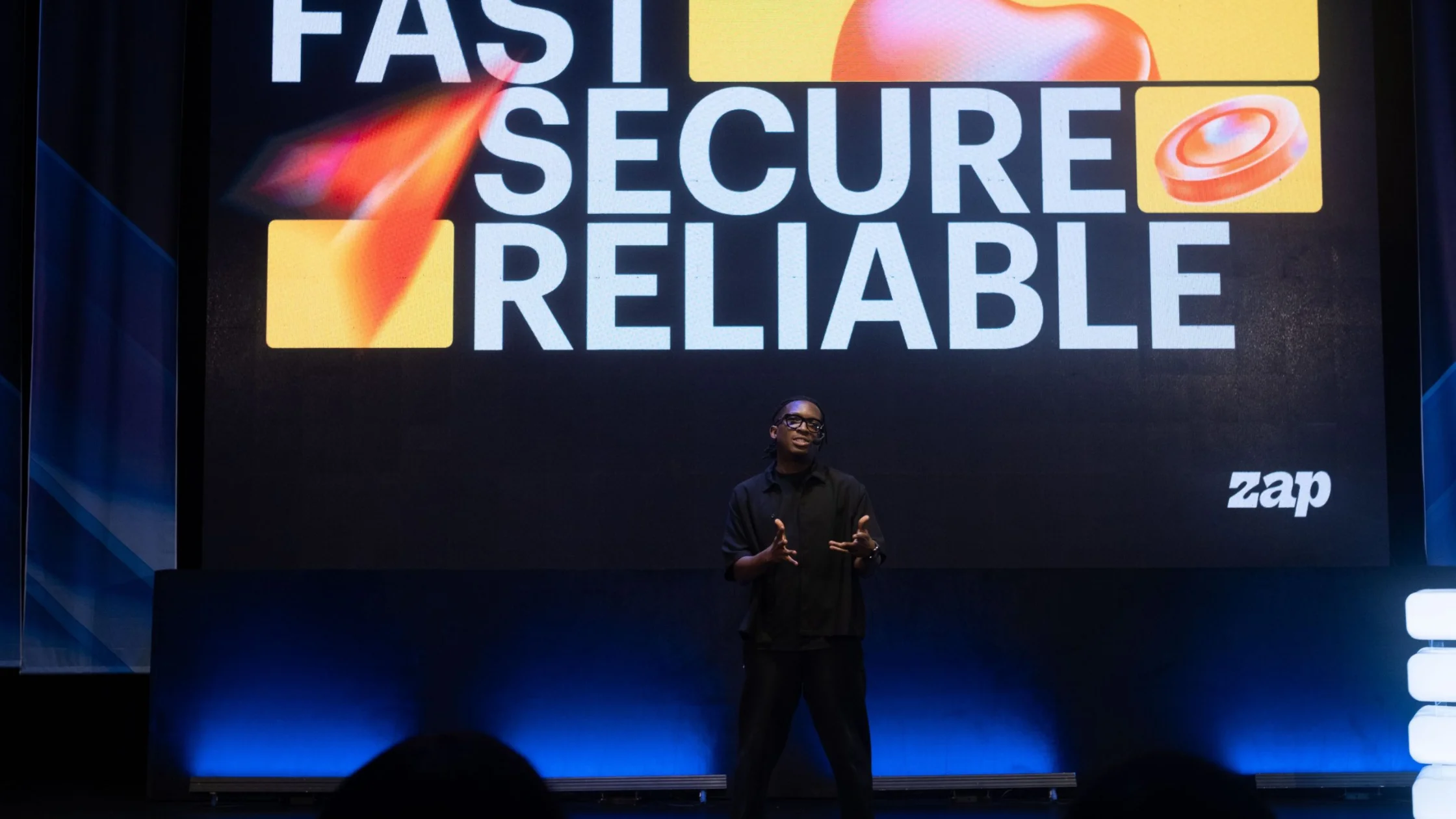
In a bold regulatory move, the Central Bank of Nigeria (CBN) has fined Paystack ₦250 million ($190,000) over its new consumer-facing product, Zap by Paystack, citing operations beyond the scope of its current license.

Launched in March, Zap is a peer-to-peer money transfer app that reportedly mimics the functionality of a digital wallet, a service permitted only for institutions with microfinance or full banking licences. Paystack, however, holds a switching and processing licence, which authorizes transaction routing but not customer fund storage.

What Did Paystack Do Wrong?

While Paystack previously stated that “Zap is not a remittance app,” the CBN believes the company crossed a regulatory line. According to insiders, the user-facing features of Zap, including stored balances, peer-to-peer transfers, and merchant payments, create a wallet-like experience that violates licensing rules.

Although Zap partners with Titan Trust Bank, a licensed deposit-taking institution, to hold user funds, the CBN argues that this does not absolve Paystack of regulatory responsibility due to how the product is structured for end-users.

“Even if third-party banks hold the money, the product interface matters. Consumers perceive it as a wallet,” said a compliance expert familiar with the situation.

This ₦250 million penalty is the largest sanction Paystack has faced since acquiring its CBN licence in 2016.

Brand Wars: The Legal Battle Over ‘Zap’

The regulatory fine isn’t the only issue looming over Zap. Paystack is embroiled in a trademark dispute with crypto startup Zap Africa, which claims to have secured exclusive rights to the name “Zap” in Nigeria.

Zap Africa has accused Paystack of infringing on its brand identity. In a swift legal counter, Paystack issued a cease and desist notice, denying the infringement and escalating the legal showdown.

Meanwhile, Zap Africa insists that it has already obtained trademark approval for “Zap”, fueling a public-facing branding conflict that could reshape how tech firms approach IP protections in Africa.

CBN’s Broader Crackdown on Fintechs

The CBN’s fine against Paystack is part of a broader trend of heightened regulatory scrutiny in Nigeria’s financial ecosystem. In 2024 alone, Moniepoint and OPay were each fined ₦1 billion for compliance breaches, including KYC (Know Your Customer) violations and operational overreach.

Key areas of concern include:

  • Unlicensed wallet-like functionality
  • Weak KYC and AML processes
  • Confusing or misleading user interfaces
  • Inadequate consumer protection mechanisms

These actions signal that the CBN is no longer giving growth-stage fintechs a free pass, especially as they pivot from backend services to consumer-facing apps.

Why This Matters for Nigerian Fintechs

Paystack’s transition from a B2B infrastructure provider to a B2C player through Zap reflects a wider strategic shift in African fintech. However, such moves carry higher licensing, compliance, and branding risks.

The takeaway? Fintechs must align innovation with regulation. Simply partnering with a licensed bank isn’t enough if the product interface gives users the impression of a full-fledged digital wallet.

This incident also raises an important question: Who bears the legal burden, platform providers or their banking partner,s when product design blurs regulatory lines?

What’s Next for Paystack and Others?

Industry experts predict that this could lead to:

  • A re-evaluation of product launches by other fintechs
  • A push for clarified digital wallet licensing frameworks
  • Greater IP due diligence before product branding

What do you think? Should fintechs have more flexibility in product development, or is the CBN right to enforce strict boundaries?


Staff Writer

Staff Writer

Recommended For You

Roqqu and Ondo Finance
FinTech & Digital Money

Roqqu Partners with Ondo Finance to Bring Tokenized US Stocks and ETFs to African Investors

by Kingsley Okeke
June 11, 2026

Nigerian cryptocurrency exchange Roqqu has entered a strategic partnership with Ondo Finance, a US-based tokenised asset manager, to give African retail investors access to blockchain-based versions of American stocks and...

Read moreDetails
Onedosh raises extra $1 million

OneDosh Closes Additional $1 Million Pre-Seed Round, Bringing Total Funding to $4 Million

June 9, 2026

UBA Wins African Category at 2026 Banker Technology Awards and Relaunches RedApp

June 8, 2026

Interswitch has partnered with Temenos to expand digital banking services across Africa

June 8, 2026

Payaza gets ‘A’ credit ratings from GCR (Moody’s), Agusto, DataPro, Intelligence Africa

June 8, 2026
Next Post

Nigeria’s First Ladies Host Strategic Visibility Retreat and Media Masterclass — Hosted by Stephanie Busari

JAMB at the Centre of Nigeria’s Exam Crisis: Mass Failures, Missing Transparency, and a Nation Demanding Answers

Please login to join discussion

Browse by Category

  • African Startup Ecosystem
  • African Telecommunications
  • Apps, Gadgets, Tools & Softwares
  • Artificial Intelligence
  • Business & Markets
  • Creator Economy
  • Cybersecurity
  • Digital Work-Life Series
  • E-Commerce
  • Event Radar Africa
  • Exclusive Interviews
  • Explainers
  • Fabfilter Total Bundle
  • Features/Spotlights
  • FinTech & Digital Money
  • Funding news
  • GenZ Desk!
  • Global News
  • Logistics & Mobility Tech
  • Marvel Rivals Nude Mod
  • Media & Entertainment
  • News
  • Opinions & Perspectives
  • Opportunities, Careers & Learning
  • Partner
  • Policy & Regulations
  • Reports
  • Reviews
  • Tech Insights for Creators
  • Technology
  • Uncategorized
  • About Us
  • Advertise on Techsoma
  • Contact
  • Privacy Policy
  • Publish Your Articles
  • T & C
  • Techsoma Africa

Copyright 2026 Techsoma Africa. All rights reserved.

Welcome Back!

Login to your account below

Forgotten Password?

Retrieve your password

Please enter your username or email address to reset your password.

Log In
Techsoma Africa

© 2026 Techsoma Africa Media.

Company

Policy AI Reports About Contact Advertise

Legal

Terms Privacy RSS

Latest

Democracy Day: How Technology Is Changing Civic Engagement in Nigeria Every June 12, Nigeria marks a day that cost its people dearly. The date honours the annulled 1993... Airtel Nigeria Deploys 200 Solar Towers in 12 Months. Is It Enough to Challenge MTN?   Airtel Nigeria deployed 200 solar-powered telecom towers between April 2025 and March 2026 across rural and urban... NRS Launches Rev360 Digital Tax Platform to Replace TaxPro Max and Widen Nigeria’s Tax Net The Nigeria Revenue Service has formally unveiled Rev360, its next-generation digital tax administration platform, at a launch event...
No Result
View All Result
  • About Us
  • Advertise on Techsoma
  • Contact
  • Privacy Policy
  • Publish Your Articles
  • T & C
  • Techsoma Africa

Copyright 2026 Techsoma Africa. All rights reserved.