• Home
  • Africa’s Innovation Frontier
  • African FutureTech
  • Investor Hotspots
  • Reports
  • Home
  • Africa’s Innovation Frontier
  • African FutureTech
  • Investor Hotspots
  • Reports
Home African Startup Ecosystem

CBN Hits Paystack With ₦250M Fine Over Zap: A Wake-Up Call for Fintechs?

by Staff Writer
April 30, 2025
in African Startup Ecosystem, FinTech
Reading Time: 4 mins read
CBN Hits Paystack With ₦250M Fine Over Zap: A Wake-Up Call for Fintechs?
Share on FacebookShare on Twitter

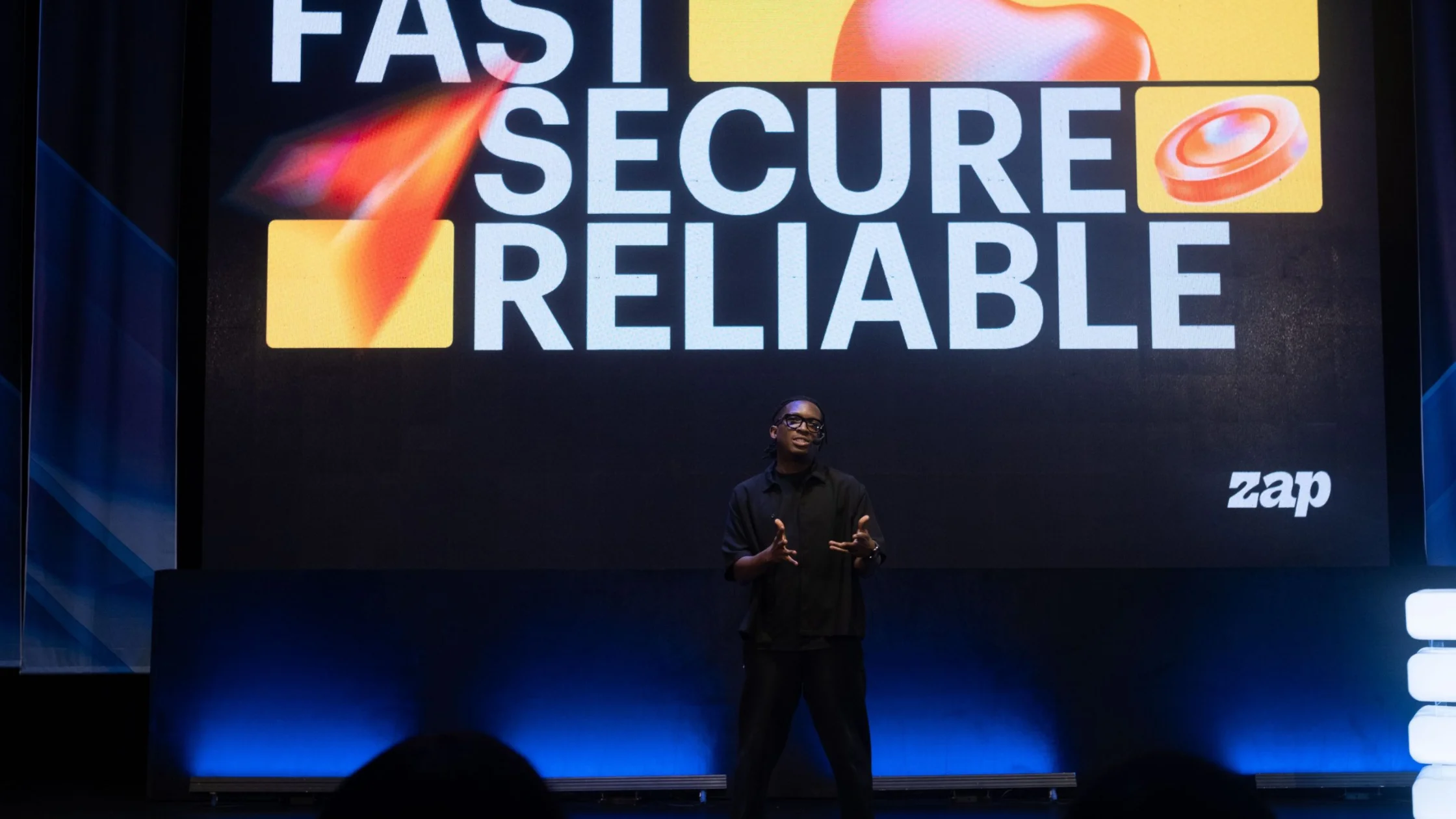
In a bold regulatory move, the Central Bank of Nigeria (CBN) has fined Paystack ₦250 million ($190,000) over its new consumer-facing product, Zap by Paystack, citing operations beyond the scope of its current license.

Launched in March, Zap is a peer-to-peer money transfer app that reportedly mimics the functionality of a digital wallet, a service permitted only for institutions with microfinance or full banking licences. Paystack, however, holds a switching and processing licence, which authorizes transaction routing but not customer fund storage.

What Did Paystack Do Wrong?

While Paystack previously stated that “Zap is not a remittance app,” the CBN believes the company crossed a regulatory line. According to insiders, the user-facing features of Zap, including stored balances, peer-to-peer transfers, and merchant payments, create a wallet-like experience that violates licensing rules.

Although Zap partners with Titan Trust Bank, a licensed deposit-taking institution, to hold user funds, the CBN argues that this does not absolve Paystack of regulatory responsibility due to how the product is structured for end-users.

“Even if third-party banks hold the money, the product interface matters. Consumers perceive it as a wallet,” said a compliance expert familiar with the situation.

This ₦250 million penalty is the largest sanction Paystack has faced since acquiring its CBN licence in 2016.

Brand Wars: The Legal Battle Over ‘Zap’

The regulatory fine isn’t the only issue looming over Zap. Paystack is embroiled in a trademark dispute with crypto startup Zap Africa, which claims to have secured exclusive rights to the name “Zap” in Nigeria.

Zap Africa has accused Paystack of infringing on its brand identity. In a swift legal counter, Paystack issued a cease and desist notice, denying the infringement and escalating the legal showdown.

Meanwhile, Zap Africa insists that it has already obtained trademark approval for “Zap”, fueling a public-facing branding conflict that could reshape how tech firms approach IP protections in Africa.

CBN’s Broader Crackdown on Fintechs

The CBN’s fine against Paystack is part of a broader trend of heightened regulatory scrutiny in Nigeria’s financial ecosystem. In 2024 alone, Moniepoint and OPay were each fined ₦1 billion for compliance breaches, including KYC (Know Your Customer) violations and operational overreach.

Key areas of concern include:

  • Unlicensed wallet-like functionality
  • Weak KYC and AML processes
  • Confusing or misleading user interfaces
  • Inadequate consumer protection mechanisms

These actions signal that the CBN is no longer giving growth-stage fintechs a free pass, especially as they pivot from backend services to consumer-facing apps.

Why This Matters for Nigerian Fintechs

Paystack’s transition from a B2B infrastructure provider to a B2C player through Zap reflects a wider strategic shift in African fintech. However, such moves carry higher licensing, compliance, and branding risks.

The takeaway? Fintechs must align innovation with regulation. Simply partnering with a licensed bank isn’t enough if the product interface gives users the impression of a full-fledged digital wallet.

This incident also raises an important question: Who bears the legal burden, platform providers or their banking partner,s when product design blurs regulatory lines?

What’s Next for Paystack and Others?

Industry experts predict that this could lead to:

  • A re-evaluation of product launches by other fintechs
  • A push for clarified digital wallet licensing frameworks
  • Greater IP due diligence before product branding

What do you think? Should fintechs have more flexibility in product development, or is the CBN right to enforce strict boundaries?


Tags: CBNfineDigitalWalletRegulationFintechComplianceNigeriaFintechPaystackZapAfricaZapByPaystack
ADVERTISEMENT
Previous Post

Moniepoint, OmniRetail, Paga, Flutterwave, & Lemfi Make This Year’s List of 2025 Endeavour Outliers

Next Post

Nigeria’s First Ladies Host Strategic Visibility Retreat and Media Masterclass — Hosted by Stephanie Busari

Staff Writer

Staff Writer

Recommended For You

Ezra Olubi class action lawsuit update
African Startup Ecosystem

Ezra Olubi Of Paystack May Face Class Action Lawsuit Led by Accuser Amaka Odeluga Obae (MakiSpoke)

by Staff Writer
November 14, 2025
0

The scandal surrounding Ezra Olubi, Paystack co-founder and former CTO, has escalated into an imminent class action lawsuit, threatening a major legal and corporate fallout for the executive and his...

Read moreDetails
Paystack co founder Ezra Olubi suspended after sexual misconduct allegation

Paystack Suspends Co Founder Ezra Olubi After Sexual Misconduct Allegation

November 14, 2025
Paystack co founder Ezra Olubi suspended after sexual misconduct allegation

Nigerian Tech Crisis: Paystack Co-founder Ezra Olubi Exposed for Pattern of Sexual Depravity, Misogyny, and Power Abuse

November 13, 2025
Chowdeck pay all bills

Chowdeck Expands Beyond Food Delivery with New Bill Payment Feature

November 11, 2025
New Report Reveals Why Startup Funding Now Takes Twice as Long to Close

New Report Reveals Why Startup Funding Now Takes Twice as Long to Close

November 10, 2025
Next Post
Nigeria’s First Ladies Host Strategic Visibility Retreat and Media Masterclass — Hosted by Stephanie Busari

Nigeria’s First Ladies Host Strategic Visibility Retreat and Media Masterclass — Hosted by Stephanie Busari

JAMB at the Centre of Nigeria’s Exam Crisis: Mass Failures, Missing Transparency, and a Nation Demanding Answers

JAMB at the Centre of Nigeria’s Exam Crisis: Mass Failures, Missing Transparency, and a Nation Demanding Answers

Leave a Reply Cancel reply

Your email address will not be published. Required fields are marked *

ADVERTISEMENT

Subscribe to our Newsletter

Recent News

Google Brings Free AI Access to Millions of Africans Through Data-Free Partnership

Google Brings Free AI Access to Millions of Africans Through Data-Free Partnership

November 15, 2025
Ezra Olubi class action lawsuit update

Ezra Olubi Of Paystack May Face Class Action Lawsuit Led by Accuser Amaka Odeluga Obae (MakiSpoke)

November 14, 2025
Maldives Adopts Electric Flying Ferries To Deliver Smoother, Cleaner Island Rides

Maldives Adopts Electric Flying Ferries To Deliver Smoother, Cleaner Island Rides

November 14, 2025
Benin Launches JaimeMaLangue To Preserve Local Languages Through AI

Benin Launches JaimeMaLangue To Preserve Local Languages Through AI

November 14, 2025
Telecel Ghana Invests US $70 Million With Huawei To Expand Its 4G Network

Telecel Ghana Invests US $70 Million With Huawei To Expand Its 4G Network

November 14, 2025

Where Africa’s Tech Revolution Begins – Covering tech innovations, startups, and developments across Africa

Facebook X-twitter Instagram Linkedin

Quick Links

Advertise on Techsoma

Publish your Articles

T & C

Privacy Policy

© 2025 — Techsoma Africa. All Rights Reserved

Add New Playlist

No Result
View All Result

© 2025 JNews - Premium WordPress news & magazine theme by Jegtheme.

Are you sure want to unlock this post?
Unlock left : 0
Are you sure want to cancel subscription?