Techsoma Homepage
  • Reports
  • Reports
Home Technology

Can Africa Utilize Nuclear Energy?

by Kingsley Okeke
August 15, 2025
in Technology
Reading Time: 4 mins read
Can Africa Utilize Nuclear Energy?

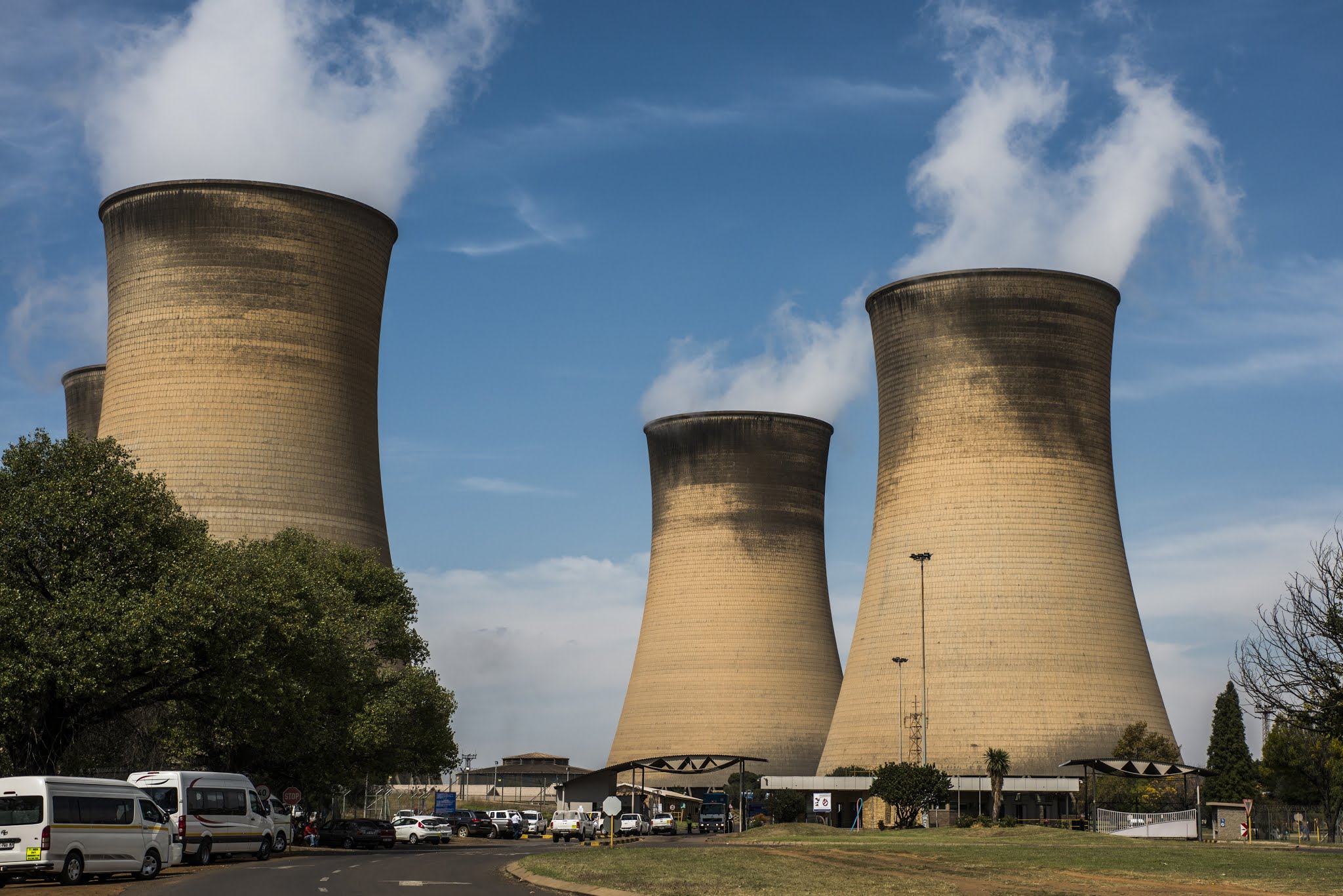
Cooling towers operate at the Hendrina power station, operated by Eskom Holdings SOC Ltd., in Middelburg, South Africa, on Wednesday, April 13, 2016. Creditors of Glencore's Optimum Coal mine approved a plan to sell it to a company controlled by South African President Jacob Zuma's son and the Gupta family on Friday, according to an administrator of the business-rescue team. Photographer: Waldo Swiegers/Bloomberg wswiegers@gmail.com

The question of whether Africa can utilize nuclear energy targets the readiness to integrate nuclear energy into the continent’s development strategy. Nuclear power offers low-carbon, reliable electricity, but its adoption in Africa depends on addressing a blend of technical, financial, and institutional challenges.

The Case for Nuclear in Africa

  • Reliable, 24/7 power: Unlike solar and wind, nuclear reactors produce steady electricity regardless of weather or daylight. This makes them valuable for stabilizing grids and supporting industrial loads.
  • Support for industrialization: Africa’s growing manufacturing, mining, and processing industries need a constant high-power supply, something nuclear is well-suited to provide.
  • Water security: Nuclear plants, especially coastal ones, can power large desalination facilities to alleviate water scarcity.
  • Efficient land use: Compared to solar or wind farms, nuclear plants generate far more energy per square meter, making them practical for land-constrained areas.

Is Africa Starting From Zero?

Not entirely.

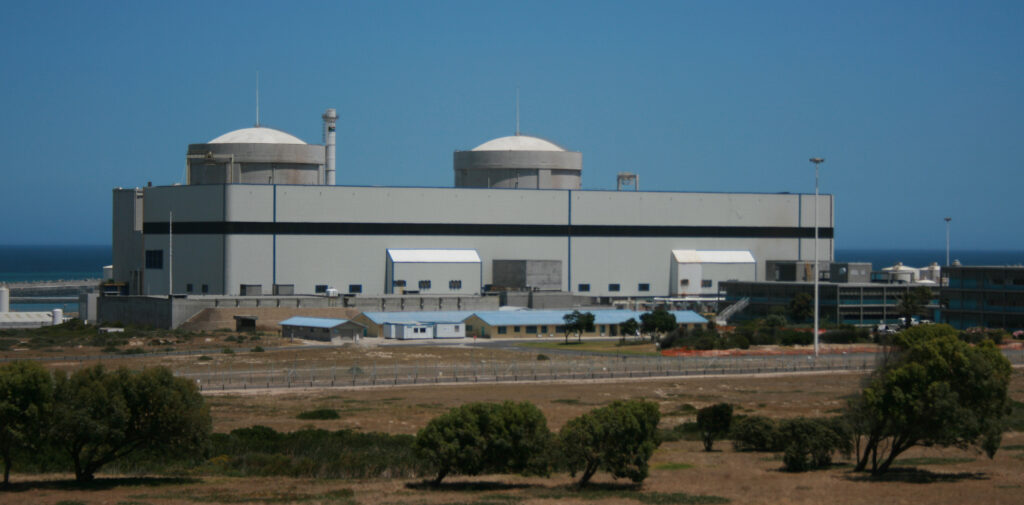
  • South Africa already operates the Koeberg plant and has decades of nuclear regulation and operation experience.
  • Uranium-rich nations such as Namibia and Niger are already part of the global nuclear fuel supply chain.
  • Several countries, including Egypt, Ghana, Kenya, and Nigeria, have engaged with the International Atomic Energy Agency (IAEA) to assess readiness and plan nuclear programs.
Techsoma Africa
Koeberg plant

Big Reactors or Smaller, Modular Units?

  • Large reactors (1–1.6 GW) can supply huge amounts of power but require very strong grids and long build times.
  • Small Modular Reactors (SMRs) (5–300 MW) could be a better fit for many African grids, industrial zones, and mining sites. They are quicker to build, potentially cheaper to finance, and can be added gradually as demand grows.

What Needs to Happen for Africa to Use Nuclear?

  1. Financing Models
    Nuclear projects need billions in upfront investment. Creative approaches, like Build-Own-Operate (BOO) agreements, export credit agency backing, and partnerships with industrial offtakers, will be essential.
  2. Regulatory Capacity
    Countries must have strong, independent nuclear regulators, trained staff, and safety oversight aligned with IAEA standards.
  3. Grid Readiness
    Many African grids cannot yet absorb a large reactor’s output without upgrades. SMRs or regional power sharing through interconnected grids could help.
  4. Waste Management
    Solutions include vendor take-back programs for spent fuel, regional storage facilities, and eventual shared disposal sites with international support.
  5. Public Trust
    Successful adoption depends on transparent communication, environmental monitoring, and tangible local benefits like jobs and community infrastructure.

Special African Applications

  • Coastal desalination for water-stressed cities
  • Mine-site SMRs to replace costly diesel generation
  • Industrial process heat for cement, fertilizer, and steel production
  • Green hydrogen production by combining nuclear with renewables

A Realistic Path Forward

  • Near term (2025–2030): Build regulatory capacity, secure financing, and choose proven reactor designs.
  • Medium term (2030–2035): Begin construction of first units—possibly a mix of one large plant and a few SMR pilots.
  • Long term (2035+): Standardize designs, expand regional interconnections, and integrate nuclear into a renewable-heavy energy mix.

Conclusion:

Africa can utilize nuclear energy, but success hinges on preparation, partnerships, and phased deployment. If approached strategically, nuclear could become a backbone of clean, reliable power for Africa’s industrialization, water security, and economic growth.


ADVERTISEMENT
Kingsley Okeke

Kingsley Okeke

I'm a skilled content writer, anatomist, and researcher with a strong academic background in human anatomy. I hold a degree...

Recommended For You

Raenest Launches in India and the Philippines to Serve Asia’s freelancers
FinTech & Digital Money

Raenest Launches in India and the Philippines to Serve Asia’s freelancers

by Faith Amonimo
February 10, 2026

Nigeria’s fintech Raenest has launched in India and the Philippines to solve a simple pain point for remote workers and freelancers. Getting paid from abroad often takes too long, costs too...

Read moreDetails
Google Startups Accelerator Africa

Google Startups Accelerator Africa Opens 10th Cohort Applications for AI Startup Founders

February 9, 2026
Whatsapp Strict account security feature

WhatsApp Rolls Out Maximum Security Mode for High-Risk Users

January 30, 2026
Yakeey $15 million Series A shocks Morocco real estate with a faster way to buy and sell homes

Yakeey $15 million Series A shocks Morocco real estate with a faster way to buy and sell homes

January 30, 2026
CBN licence upgrade grants OPay, Moniepoint, others national status

CBN licence upgrade grants OPay, Moniepoint, others national status

January 29, 2026
Next Post
Cowrywise vs. Bamboo vs. I-invest – Which Trading App Has the Lowest Fees?

Cowrywise vs. Bamboo vs. I-invest – Which Trading App Has the Lowest Fees?

Why Nigeria’s Next Unicorn Probably Won’t Be a Fintech

Why Nigeria’s Next Unicorn Probably Won’t Be a Fintech

Leave a Reply Cancel reply

Your email address will not be published. Required fields are marked *

ADVERTISEMENT

Subscribe to our Newsletter

Recent News

Joe Lonsdale, founder of 8VC and co-founder of Palantir, investing in Nigerian defense firm Terra Industries.

Terra Industries raises additional $22M in a month to kill Africa’s reliance on foreign intel

February 16, 2026
Nigerian defense tech partnership

The Industrial Leapfrog: Why Saudi Arabia is Betting on Nigerian Defense Tech

February 14, 2026
Professor Rita Orji, a Nigerian-Canadian computer science expert at Dalhousie University, appointed to the United Nations Independent International Scientific Panel on AI.

Nigerian-Canadian professor Rita Orji appointed to United Nations independent scientific panel on AI

February 14, 2026
How to prompt AI like a boss

How to Prompt AI Like a Pro and Stop Getting Rubbish Answers

February 14, 2026
How to Get Paid on X (Twitter) in Nigeria: A Complete Guide for Aspiring Content Creators

How to Get Paid on X (Twitter) in Nigeria: A Complete Guide for Aspiring Content Creators

February 13, 2026

Where Africa’s Tech Revolution Begins – Covering tech innovations, startups, and developments across Africa

Facebook X-twitter Instagram Linkedin

Quick Links

Advertise on Techsoma

Publish your Articles

T & C

Privacy Policy

© 2025 — Techsoma Africa. All Rights Reserved

Add New Playlist

No Result
View All Result

© 2026 JNews - Premium WordPress news & magazine theme by Jegtheme.