

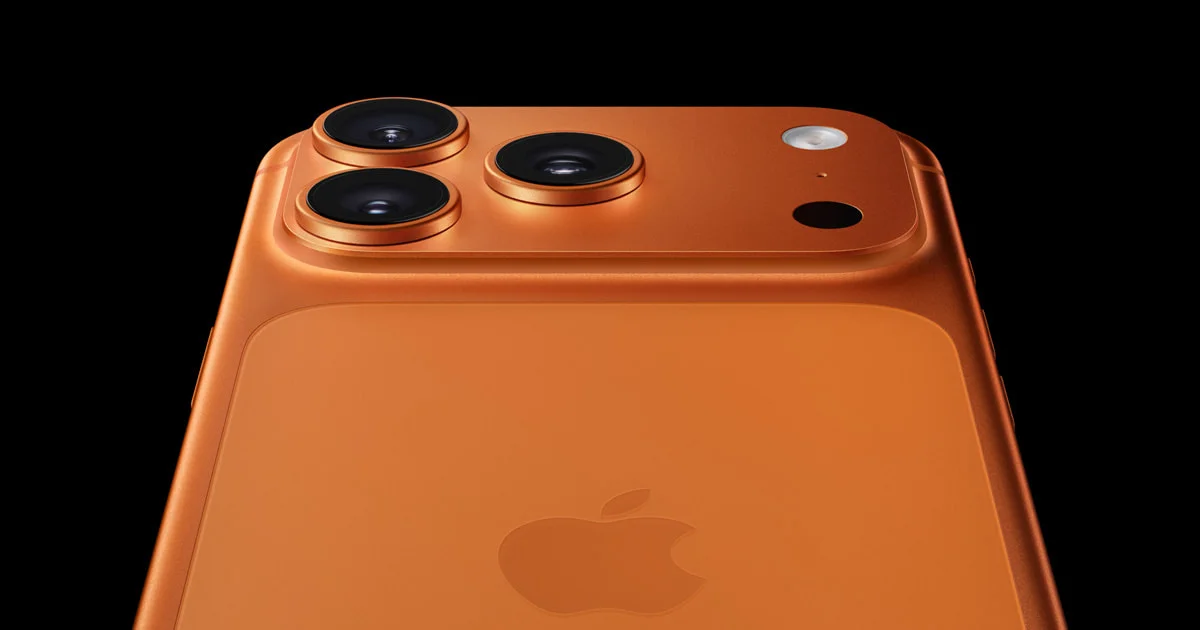
Apple’s MacBook Neo arrived in March 2026 and immediately became a problem, albeit a good one. The device has been such a hit that Apple is now facing a “massive dilemma,” scrambling to meet demand it did not fully anticipate. That success has naturally sparked a question tech observers have started asking out loud: if the Neo formula works for the Mac, why not do it for the iPhone?
The MacBook Neo Playbook
The Neo strategy is straightforward. Apple launched a new entry-level laptop for the low-end market, and while it makes several compromises to reach a low price point, the trade-offs won’t matter to its target audience. The machine runs on a slightly older chip: the A18 Pro, a “binned” version of the standard A18 Pro, meaning chips discovered to have a faulty GPU core during manufacturing are used in the device rather than discarded. It is a clever use of manufacturing reality to unlock a price point Apple could not otherwise reach.
The result is a laptop that does not embarrass itself while costing significantly less than anything Apple has sold before. Customers do not feel like they have settled. They feel like they found a deal.
Where the iPhone Lineup Stands
Apple’s cheapest iPhone right now is the iPhone 17e, which starts at $599, double the entry storage from the previous generation at the same price. That is not a budget phone by any meaningful definition. For emerging markets, for first-time iPhone buyers, for anyone not committed to spending the equivalent of a modest monthly salary on a smartphone, the 17e is still a stretch.
The iPhone Neo, as the argument goes, does not have to compete with flagship models. It does not need the latest chip, the best camera, or premium features like MagSafe or Face ID. It simply needs to be an affordable iOS handset with respectable specs for the price.
That is a reasonable case. Android dominates the sub-$400 market globally, and much of Apple’s growth ceiling in markets like Nigeria, India, and Southeast Asia is a pricing problem, not a preference problem. Plenty of people would choose iOS if the cost of entry were lower.
The Case for Waiting
Apple has spent decades arguing, successfully, that its products are worth paying more for. A truly cheap iPhone risks muddying that argument. If iOS can run on a $300 phone, why is the Pro model worth $1,200?
There is also the question of product direction. Apple’s three-year plan to reinvent the iPhone is well underway — a foldable in 2026, a special 20th-anniversary model in 2027. The company is pushing its hardware into premium territory at the top end while leaning on the 17e to cover the lower range. Adding a Neo tier below the 17e might complicate what is already a crowded and occasionally confusing lineup.
The iPhone Air, for its part, has not been selling well, suggesting Apple’s ability to read consumer demand at non-flagship price points is not perfect. A product released too cheaply, or positioned wrongly, could cannibalise sales without growing the market.
The Right Question
Whether Apple needs an iPhone Neo depends on what you think Apple’s job is. If the goal is defending margins and reinforcing premium perception, the current lineup is probably fine. If the goal is expanding iOS market share in price-sensitive markets, where the smartphone user of 2026 is far more likely to be in Lagos or Jakarta than London, then $599 is still a wall, and Apple has yet to seriously attempt to climb over it.
The MacBook Neo proved that Apple can do accessible without being cheap. The iPhone Neo remains unbuilt, but the blueprint already exists. The only question is whether Apple decides that growing the base is worth what it costs.