

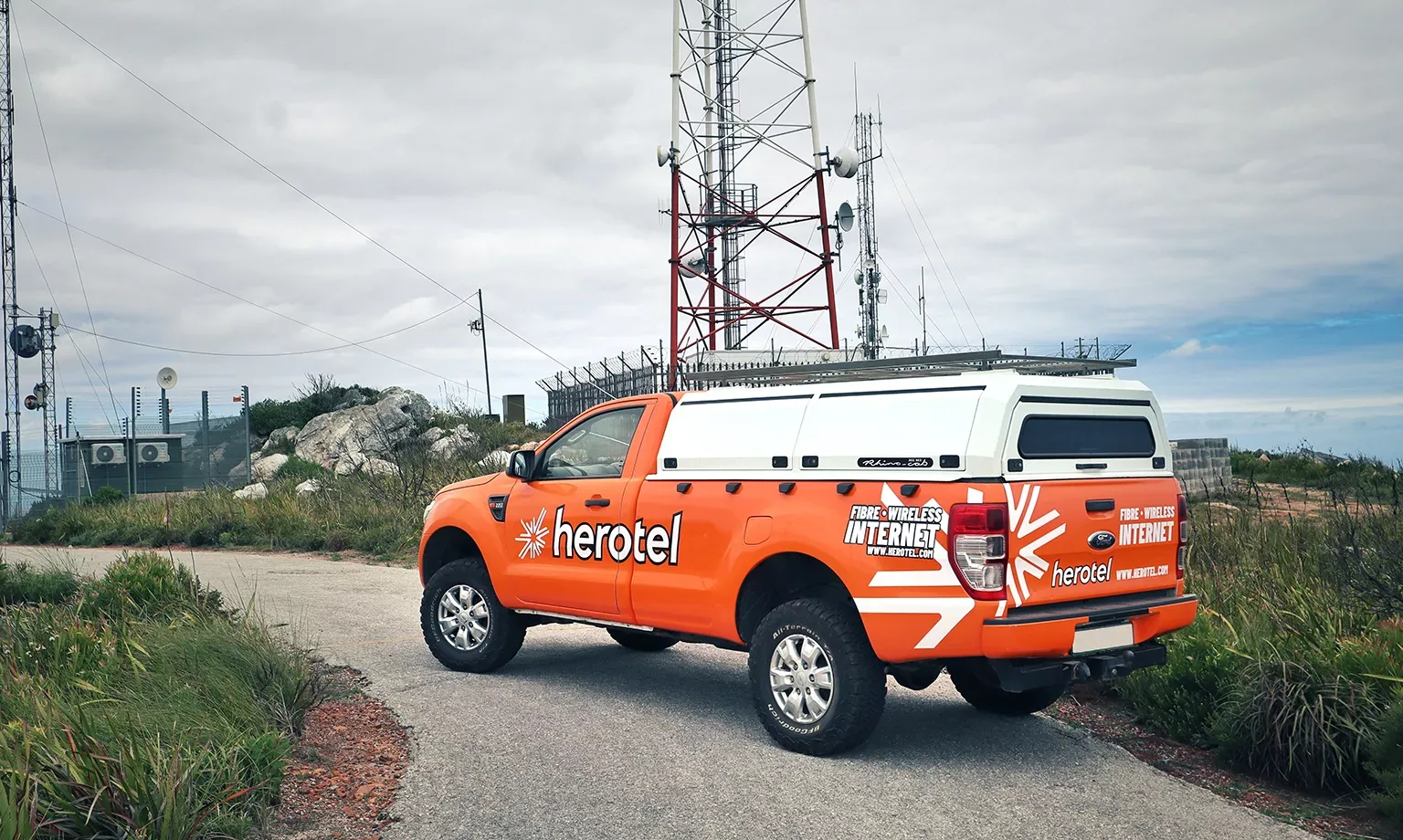
Amazon Leo, the e-commerce giant’s low-Earth-orbit satellite broadband service, has signed a distribution agreement with South African internet service provider Herotel, paving the way for a commercial launch under a new brand called evry. The deal positions South Africa to become the first country in Africa to receive the service, with a rollout targeted for 2027.
Sidestepping the Licensing Standoff
The arrangement gives Amazon Leo a route into South Africa that has eluded rival Starlink. South African telecommunications law requires network-service licence holders to be 30 percent owned by historically disadvantaged groups, a rule SpaceX has refused to meet, leaving Starlink locked out of the market despite repeated attempts to negotiate an alternative arrangement.
Amazon has avoided that fight entirely. Rather than seeking its own licence, Herotel will hold all the necessary regulatory approvals and distribute the Amazon Leo service directly to consumers. Icasa, the country’s communications regulator, stated last month that satellite operators currently cannot obtain network licences on their own and that partnering with an existing licence holder is the realistic path into the market, a notice that referenced Amazon Leo by name.
Herotel, which is owned by Maziv, is not required to be Amazon Leo’s exclusive partner. Company executives have indicated they expect strong demand and anticipate working with other distributors in South Africa over time.
How the Service Will Work
The new evry service will offer download speeds of up to 300Mbit/s using Amazon’s Nano and Pro customer antennas, with typical latency of 50 milliseconds or less. That performance is possible because Amazon Leo satellites orbit at around 590 kilometres above Earth, compared with roughly 35,000 kilometres for traditional geostationary satellite systems, linked together through a high-speed optical mesh network in space.
Herotel says evry will be backed by its existing national infrastructure, including local installation teams, customer service and field support staff spread across 120 offices nationwide. That local footprint is intended to give the service on-the-ground support from the moment it launches, rather than relying on a remote operating model.
Pricing has not yet been announced for either the hardware or the monthly service, though Amazon Leo’s global business lead said affordability remains a central focus for the company.
Reaching Underserved Communities
Herotel has built its business around smaller towns and harder-to-reach areas, expanding from fixed wireless services into fibre deployment in centres such as Gqeberha and East London before growing into a network of more than 350,000 active customers across over 550 towns, cities and suburbs.
Company leadership has framed the Amazon Leo partnership as a way to extend connectivity to farms, townships and rural communities that remain out of reach of both fibre and fixed-wireless infrastructure. Interested customers can now register on the evry website ahead of the planned 2027 launch, with full product and pricing details expected closer to that date.