


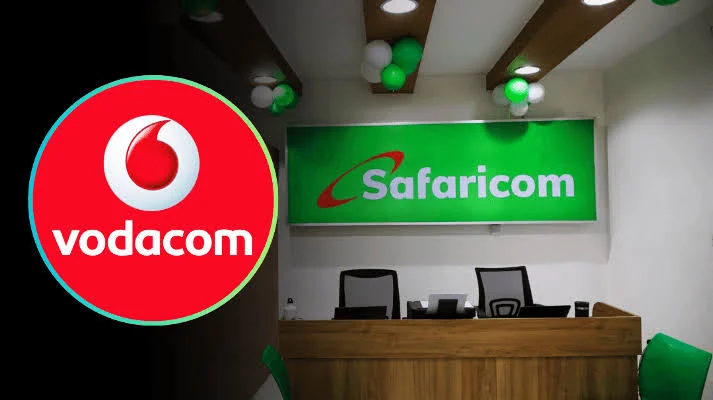
Kenya just sold a piece of its most valuable company, and the timing is awkward.
Vodacom Group completed a $2.1 billion acquisition on June 30, buying a 15% stake in Safaricom from the Kenyan government and an additional 5% from its own parent, Vodafone. That takes Vodacom’s shareholding from 35% to roughly 55%, handing the South African operator outright control of East Africa’s largest telecom company for the first time.
Kenya’s Treasury walks away with about KSh 204.3 billion, plus a KSh 40.2 billion dividend top-up. The government keeps a 20% stake and a board seat, and Safaricom stays listed on the Nairobi exchange. On paper, it’s a clean transaction. Underneath it sits a genuine argument about whether Kenya just cashed out of its own crown jewel.
A Deal That Almost Didn’t Happen
This wasn’t a quiet handover. Vodacom first announced the plan back in December 2025, and it spent months tangled in Kenyan courts after petitioners argued the government was handing majority control of a strategic national asset to a foreign-led company without proper scrutiny. The Court of Appeal lifted a conservatory order blocking the sale on June 26, just four days before it closed, and judges reportedly warned that further delay was costing the state up to KSh 70 million a day. A separate petition on the underlying sovereignty question is still before the High Court.
Kenya’s National Treasury Cabinet Secretary John Mbadi framed the sale as a founding investment finally paying off. Twenty-five years ago, the government put money into a mobile licence, he said, and that licence grew into a company that has connected more than fifty million Kenyans. Now it’s “crystallising a portion of that extraordinary value” to fund roads, energy, water systems, and airports.
The Twist Nobody’s Talking About
Here’s what makes the timing sting. Just as Vodacom locks in full control, M-Pesa’s share of Kenya’s mobile money market slipped below 90% for the first time, falling to 89.7% in late 2025. Airtel Money climbed to 10.3% on the back of lower tariffs and a bigger agent network. Wallet interoperability rules and central bank pressure on fees have both chipped away at a lead M-Pesa held for close to two decades.
So Vodacom isn’t just buying a bigger slice of Safaricom. It’s buying a bigger slice of a business whose core product is facing real competition for the first time in years. Its answer is a super-app built around M-Pesa, now hosting 221 mini apps and 9.4 million active financial-service users, up 40% year on year. Whether that’s enough to hold the line is the question majority ownership doesn’t automatically answer.
What Vodacom Actually Gets
The prize here isn’t just Kenya. Safaricom also runs Vodacom’s fastest-growing bet in the region: Ethiopia, where it’s signed around 14 million users and holds a mobile-money licence in a market of more than 100 million people. That business is still losing money, and full consolidation means those losses now show up directly on Vodacom’s books instead of sitting one step removed as an associate’s results.
Vodacom’s group CEO, Shameel Joosub, called it a landmark moment that strengthens the company’s position as a market leader in East Africa. That’s the corporate version of the story. The market version is that Vodacom just paid $2.1 billion for a company whose signature product is being tested in real time, and it’s betting a super-app and deeper pockets can hold off Airtel Money where M-Pesa’s brand alone no longer can.
Selling the Family Silver, or Cashing It In
Kenya’s government isn’t the first African state to trade a stake in a national champion for cash it needs now. President Ruto’s administration has an infrastructure fund to seed and a debt load that makes interest payments swallow a large share of revenue, which makes a one-off asset sale politically tempting even when it’s fiscally double-edged. Supporters call it recycling idle state wealth. Critics call it exactly what it sounds like: selling the family silver to pay this month’s bills.
Both readings can be true at once. Kenya gets real money for real infrastructure today. Vodacom gets permanent, majority control of a company whose profits will keep compounding long after the roads are built. Whether Kenya negotiated a fair price for the future it just handed over is the argument the pending High Court case is still trying to settle. In the meantime, the deal is done, the cash is moving, and the actual fight, the one over who keeps Kenyans’ mobile money, is only getting started.