


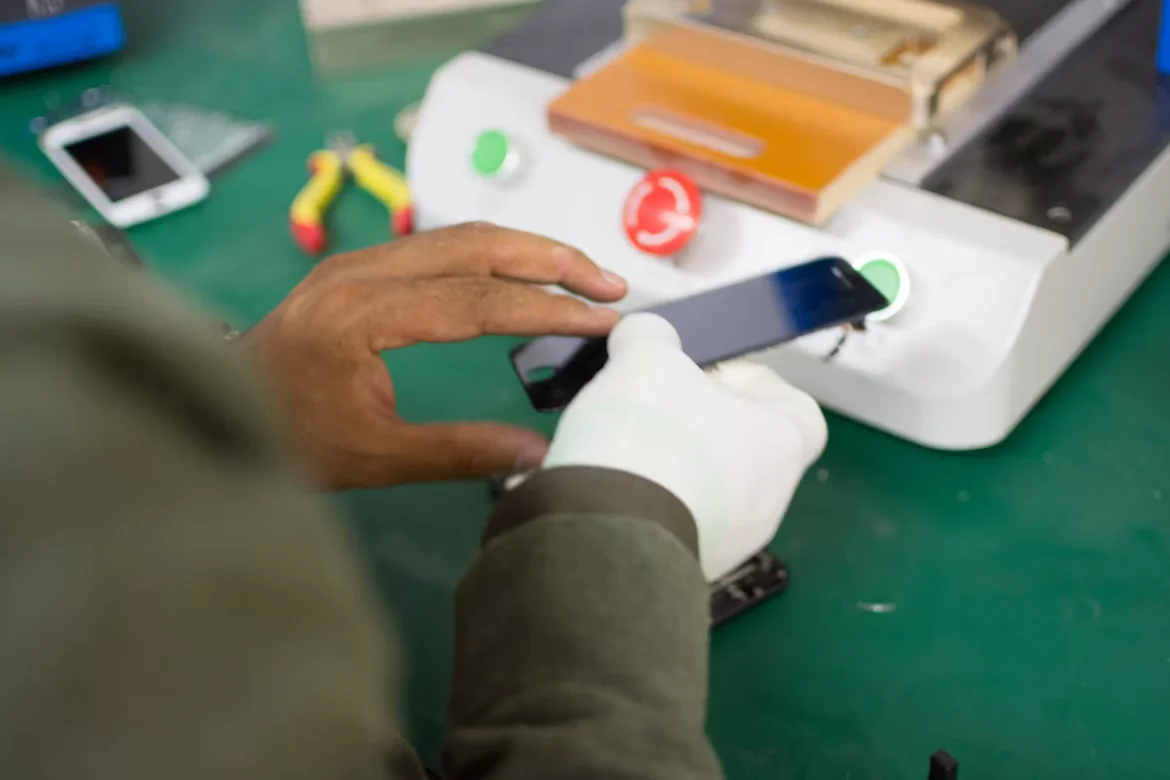
Nigeria wants to stop importing the phones its own people carry, and it’s dangling real money to make that happen.
Speaking at the Digital Africa Summit Roundtable in Shanghai on June 24, the Chairman of the Nigerian Communications Commission’s Governing Board, Idris Olorunnimbe, pledged to personally take any serious manufacturing commitment straight to President Bola Tinubu in exchange for tax waivers and regulatory support. The offer comes with a deadline. Companies that commit to breaking ground on a Nigerian factory before November 2026 stand to benefit. Miss that window, and the incentives may not be on the table.
The Problem Nigeria Says It’s Solving
By the NCC’s own account, Nigeria’s biggest barrier to getting more people online isn’t network coverage or the cost of data anymore. It’s the price of the device itself. Nigeria carries more than 170 million mobile connections and over 150 million mobile internet users, and Olorunnimbe argued the country can’t fix affordability by importing its way out of it. Devices priced in dollars and shipped in get hit by every naira depreciation and every supply chain hiccup along the way. A phone assembled at home, built with more local labour and materials, has more of its cost denominated in naira instead.
The pitch isn’t just cheaper phones. Locally made devices are meant to arrive pre-loaded with access to the NCC’s zero-rated education platforms, government service portals, and digital identity tools tied to NIN and BVN. The idea is to turn the device itself into the entry point for a much wider set of government services, not just a phone that happens to be assembled locally.
Nigeria Has Been Here Before
This is where the story needs a dose of history. Nigeria has tried local phone assembly twice already, and neither attempt built lasting confidence in what came off the line. AfriOne launched locally assembled smartphones from a Lagos factory in 2017. Imose Technologies followed in 2018 with its own lineup of affordable phones and tablets. Both efforts positioned themselves as steps toward a real domestic electronics industry. Neither one became the market-changing story Nigeria hoped for.
The NCC isn’t pretending otherwise. Olorunnimbe openly acknowledged that previous local assembly efforts struggled with poor product quality and weak after-sales support, which eroded consumer confidence before the products had a real chance to compete. His framing this time is blunt: a locally made device that asks Nigerians to settle for less isn’t worth making, and the goal is phones that match imports on quality and beat them on price.
What Would Actually Have to Be Different
Saying quality matters this time doesn’t automatically produce quality. The NCC’s plan leans on two supporting pieces to back up the pitch. One is an updated Type Approval Regulation and a new Device Management System, designed to identify and block counterfeit, cloned, or stolen devices flooding what Olorunnimbe called a grey market that’s “large” and functions as a symptom of the affordability problem, not just a side effect of it. The other is expanded device financing, letting Nigerians pay in installments instead of the full cost upfront, which matters more for adoption than manufacturing quality but signals the government is thinking about the demand side too.
Industry groups have lined up in support. The Association of Licensed Telecommunications Operators of Nigeria backed the plan, with its chairman arguing Nigeria needs to move past basic assembly into real software engineering and semiconductor development if the country wants a durable industry rather than another round of screwdriver assembly. The National Association of Telecom Subscribers called it an idea whose time has come.
The Deadline Is the Real Test
None of the past attempts came with a November-style deadline or a promise of direct presidential intervention. That’s a genuinely different pitch, and it might be enough to attract a manufacturer serious enough to build something durable rather than another short-lived assembly line. It also might not be. Tax waivers and political backing can get a factory built. They can’t guarantee the phones coming out of it are good enough that Nigerians choose them over an imported alternative once the introductory hype fades.
That’s the same wall the last two attempts hit. Nigeria can build the factory. Whether it can build the trust is the part history says to watch closely, and November will show fairly quickly whether any manufacturer believed the pitch enough to show up.