
The African Cities Innovation Fund (ACIF) launched this week in Nairobi, backed by Australia’s Judith Neilson Foundation and the Million Lives Collective. The fund targets a specific problem: African cities need tech fixes fast, but traditional startup funding isn’t working.
African Cities Burst at the Seams
Africa’s urban population explodes by 3.5% annually – the fastest rate globally. This means cities will double from 700 million to 1.4 billion people by 2050, according to OECD research. Infrastructure can’t keep up with this pace.
Transportation systems buckle under pressure. Basic services stretch thin. Climate stress hits harder each year. These problems demand immediate solutions, not five-year business plans.
“African cities are growing at a dramatic pace, creating huge opportunity, challenge and change,” said Abi Taylor, Innovation Lead at the Judith Neilson Foundation. “Ensuring that cities are places where people can thrive calls for imagination, ambition, innovation and collaboration.”
Startup Funding Takes a Hit
Meanwhile, venture capital stepped back from Africa in 2024. African startups raised $2.2 billion this year – down more than 20% from 2023. Early-stage companies and non-fintech sectors took the hardest hits.
This creates a perfect storm. Cities need solutions urgently while funding sources dry up. Traditional venture capital focuses on scalable tech products, but urban problems often require local partnerships and government coordination.
Partnership Model Gets $75,000 Boost
ACIF takes a different approach. Instead of funding individual startups, it backs pairs of African innovators working together. Each grant reaches up to $75,000 for collaborative projects spanning transport, climate resilience, and basic service access.
Applications open in March 2026. Winners must form partnerships between startups, civic groups, and government agencies from day one. No solo founders allowed.
“Across the continent, innovators, community organizations, entrepreneurs, artists and public sector actors are finding new ways to strengthen mobility, expand services and build economic resilience,” explained Jite Phido, Senior Program Manager at the Million Lives Collective.
Testing Whether Partnerships Actually Work
The fund tests a bigger question: Can partnerships scale urban solutions better than individual companies?
Edwin Muroki from 4Life Solutions Kenya participated in an earlier Million Lives Collective program. His company provides safe drinking water to low-income communities. “Proven solutions scale faster when partnerships strengthen community trust, enable localized logistics and support continuous real-time learning,” he said.
The Million Lives Collective has run collaboration grants since 2022, mostly in health and women’s economic participation. Partners include the Gates Foundation and Bayer Foundation. Now they’re applying this model to cities.
Focus Areas Target Daily Urban Struggles
ACIF prioritizes areas where African cities struggle most:
- Climate-resilient infrastructure
- Youth mobility solutions
- Digital access expansion
- Community wellbeing programs
- Circular production systems
These categories reflect real problems African city dwellers face daily. Public transport often fails during rush hours. Internet access remains patchy in many neighborhoods. Climate events like floods or droughts hit urban areas hard.
Winners also receive technical support, coaching on partnerships, and exposure to global development funders through the International Development Innovation Alliance’s collaboration lab.
Why Traditional VC Models Fall Short in African Cities
Urban solutions need different approaches than consumer apps or software platforms. City problems cross multiple sectors. Transport connects to housing. Housing links to employment. Employment ties to education and healthcare.
Single companies rarely address these interconnected challenges alone. Local government buy-in becomes essential. Community trust determines adoption rates. Regulatory approval affects rollout speed.
These factors don’t fit standard venture capital timelines or return expectations. VCs want rapid scaling and clear exit strategies. Urban infrastructure projects require patient capital and complex stakeholder management.
Early Success Stories Point to Potential
The Million Lives Collective’s track record suggests partnerships can work. Previous programs in health and women’s economic participation showed stronger community uptake when multiple organizations collaborated.
4Life Solutions Kenya discovered this firsthand. The company’s water access technology needed local institutions to drive behavior change, not just engineering excellence. Technical solutions alone couldn’t create lasting impact.
Applications Open Soon for African Innovators
Interested teams should register on the Million Lives Collective website ahead of formal applications in March 2026. A separate call for new African urban innovations opens in January 2026.
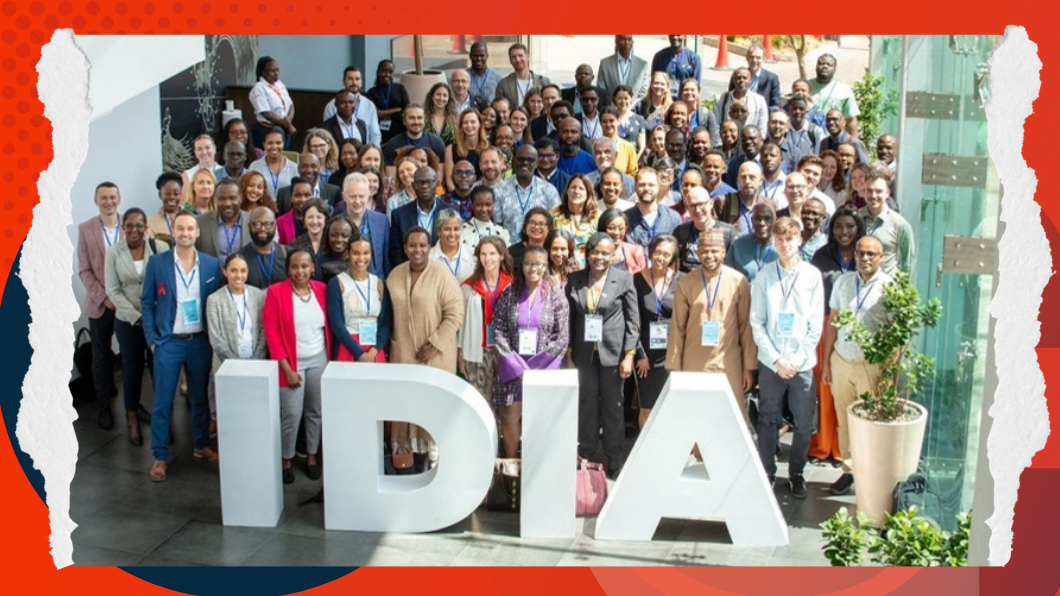
The fund announcement came at the International Development Innovation Alliance’s Global Summit at CcHub-backed iHub in Nairobi. This location choice signals support for Kenya’s growing tech ecosystem while addressing continent-wide challenges.
ACIF represents a shift toward collaborative funding models. Instead of betting on individual founders, funders now test whether partnerships can unlock scale without heavy capital requirements.
The results could reshape how development organizations approach African urban challenges. Success might inspire similar collaborative funds across other sectors. Failure could push funders back toward traditional models.
Either way, African cities can’t wait for perfect solutions. With 1.4 billion people heading to urban areas by 2050, the clock keeps ticking.