
Techsoma Africa
Latest Startups FinTech AI Tech Global Apps Opinions African
Policy & Regulations Artificial Intelligence Reports About Contact Advertise African Startup Ecosystem FinTech & Digital Money Artificial Intelligence Technology Global News Apps, Gadgets, Tools & Softwares Opinions & Perspectives African Telecommunications
Techsoma Africa
No Result
View All Result
Techsoma Africa
No Result
View All Result
Techsoma Africa
No Result
View All Result
Home Opinions & Perspectives

A Closer Look at Digital ID in Apple Wallet

by Kingsley Okeke
November 14, 2025
in Opinions & Perspectives, Reports
Reading Time: 4 mins read
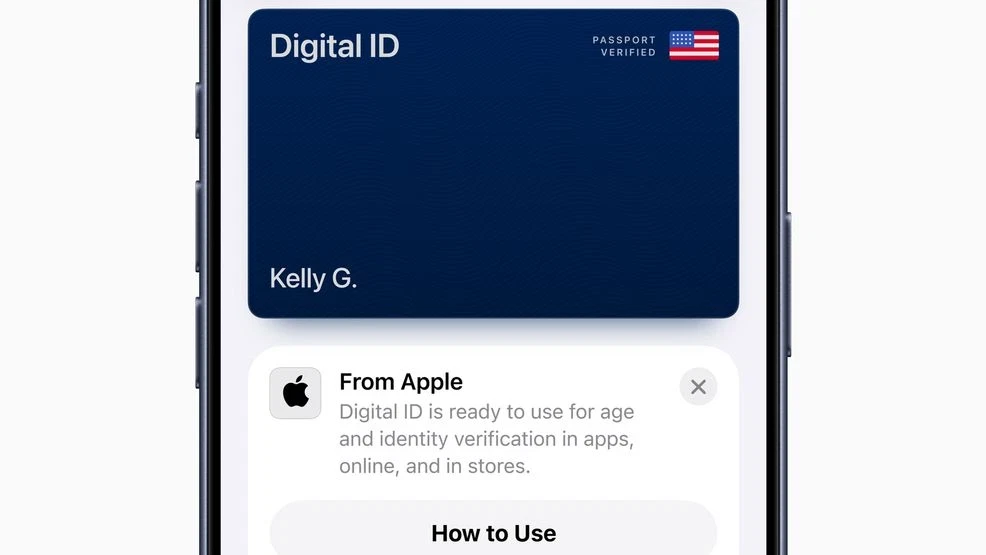
Apple Digital ID Layout

Apple’s push into digital identity feels inevitable. The company has spent years turning the iPhone into a payment tool, a health card, a car key, and, most recently, a digital ID tied to a user’s passport. But the introduction of Digital ID raises deeper questions about necessity, value, and the trade-offs consumers are being asked to accept.

A Convenience Built on Existing Friction

Apple’s pitch is simple: storing a digital version of your passport or ID in Wallet makes verification faster and more secure. For domestic U.S. travellers, the idea of tapping an iPhone instead of handing over a document sounds convenient.

Yet the convenience rests on a limitation Apple didn’t create but now builds upon. Airport security lines are slow because verification systems are outdated. Rather than modernise the process universally, Digital ID introduces a solution that only works if you are already inside Apple’s ecosystem. Convenience becomes conditional: you benefit only if you use the right device, update the right software, and trust the right company.

The Gap Between Promise and Practical Use

A major critique is the narrow scope of Digital ID. It does not replace the physical passport, cannot be used for international travel, and functions only at selected TSA checkpoints.

Apple presents it as a step toward the future, but in practice, it solves a problem for a small slice of users in tightly controlled environments. For most people, the physical ID remains the one they must carry anyway. The digital version becomes an optional add-on rather than a true replacement, weakening the case for adopting it widely.

Identity, Privacy and the Power Trade-Off

Apple highlights encryption, local storage, and limited data sharing. These are strong features, but they don’t resolve a broader concern: identity is becoming another layer of digital infrastructure controlled by large technology firms.

Digital identity is fundamentally different from storing cards or tickets. It carries legal, biometric and travel implications. When a private company becomes a gatekeeper for that information, even with good intentions, it centralises power in ways that governments and regulators have not fully addressed.

There is also the question of long-term risk. If digital ID becomes widely accepted, opting out may eventually feel impossible, not because it is unsafe but because refusing to participate removes you from systems built around it.

A Future That Isn’t Equally Distributed

Digital ID may work for frequent fliers in North America, but the concept offers little to users in Africa, South America or parts of Asia, where ID infrastructure differs and government partnerships are limited. The feature becomes another example of technology designed for one context and marketed as global progress.

Until digital identity is supported across borders, industries and regulatory environments, its social value remains uneven. Apple’s announcement reflects ambition, but the impact stops at the boundaries of countries willing to embrace the model.

A Step Forward, But Not Yet a Turning Point

Digital ID in Apple Wallet is a polished idea built for limited use. It demonstrates how identity could work in a digital-first world, but it also exposes gaps in readiness, policy and global applicability.

The technology is impressive. The execution is cautious. And the purpose, for now, feels less like a solution to a widespread problem and more like a controlled experiment in reshaping how we prove who we are.

Related Techsoma coverage

  • How Chowdeck Succeeded Where Jumia Food Fell Short
  • Snapchat Revives Classic 2D Bitmoji with New Comic Style
  • Why Is Chowdeck Selling Airtime in This Nigeria?
Kingsley Okeke

Kingsley Okeke

I'm a skilled content writer, anatomist, and researcher with a strong academic background in human anatomy. I hold a degree...

Recommended For You

Femi Aluko, Co-Founder of Chowdeck
Opinions & Perspectives

Chowdeck Data Shows How Nigerians Rotate Food Purchases Monthly, Offering Fintechs a Blueprint

by Kingsley Okeke
July 18, 2026

  Chowdeck co-founder Femi Aluko recently described a recurring pattern in how customers on the food delivery platform spend their money across a typical month. According to the account, orders...

Read moreDetails
SeamlessHR

SeamlessHR Rebrands as Seamless Technologies to Push Into AI and Fintech

July 15, 2026
Global Index on Responsible AI

AI Rules Are Spreading Fast. Now Governments Must Build the Guardrails

July 14, 2026

Check Point June 2026 Threat Report Shows 17% Global Cyber Attack Surge

July 14, 2026

Why African Startups Are Choosing Debt Over Equity in 2026

July 8, 2026
Next Post
Paystack co founder Ezra Olubi suspended after sexual misconduct allegation

Paystack Suspends Co Founder Ezra Olubi After Sexual Misconduct Allegation

Chowdeck delivery tracker

How Chowdeck Succeeded Where Jumia Food Fell Short

Please login to join discussion

Browse by Category

  • African Startup Ecosystem
  • African Telecommunications
  • Apps, Gadgets, Tools & Softwares
  • Artificial Intelligence
  • Business & Markets
  • Creator Economy
  • Cybersecurity
  • Digital Work-Life Series
  • E-Commerce
  • Event Radar Africa
  • Exclusive Interviews
  • Explainers
  • Features/Spotlights
  • FinTech & Digital Money
  • Funding news
  • GenZ Desk!
  • Global News
  • Logistics & Mobility Tech
  • Media & Entertainment
  • News
  • Opinions & Perspectives
  • Opportunities, Careers & Learning
  • Partner
  • Policy & Regulations
  • Reports
  • Reviews
  • Tech Insights for Creators
  • Technology
  • Thought Leadership
  • Uncategorized
  • About Us
  • Advertise on Techsoma
  • Contact
  • Corrections Policy
  • Editorial Standards
  • Ownership and Funding
  • Privacy Policy
  • Publish Your Articles
  • Techsoma Africa
  • Terms of Service

Copyright 2026 Techsoma Africa. All rights reserved.

Welcome Back!

Login to your account below

Forgotten Password?

Retrieve your password

Please enter your username or email address to reset your password.

Log In
Techsoma Africa

© 2026 Techsoma Africa Media.

Company

Policy AI Reports About Contact Advertise

Legal

Terms Privacy RSS

Latest

Kenya AI Policy: New Rules Put People and Local Business First Kenya just released a draft AI policy that shifts focus from foreign dependence to local innovation. The policy proposes a Sovereign Cloud Strategy, worker protections for content moderators, and an AI Innovation Fund to support homegrown startups. Public comments are open until August 4. Facebook launches Marketplace Seller App and free verification Facebook just launched a dedicated Seller app and free verification for Marketplace. These updates make selling easier, build trust between buyers and sellers, and put pressure on rivals like eBay. Snapchat Launches Now Playing: Real-Time Spotify Sharing on Snap Map Snapchat has rolled out a new feature that turns Snap Map into a live window into what your...
Techsoma Network Techsoma Network Techsoma Africa Techsoma Middle East Techsoma Canada
Transparency About Editorial Standards Corrections Ownership & Funding Privacy Terms Contact
No Result
View All Result
  • About Us
  • Advertise on Techsoma
  • Contact
  • Corrections Policy
  • Editorial Standards
  • Ownership and Funding
  • Privacy Policy
  • Publish Your Articles
  • Techsoma Africa
  • Terms of Service

Copyright 2026 Techsoma Africa. All rights reserved.