
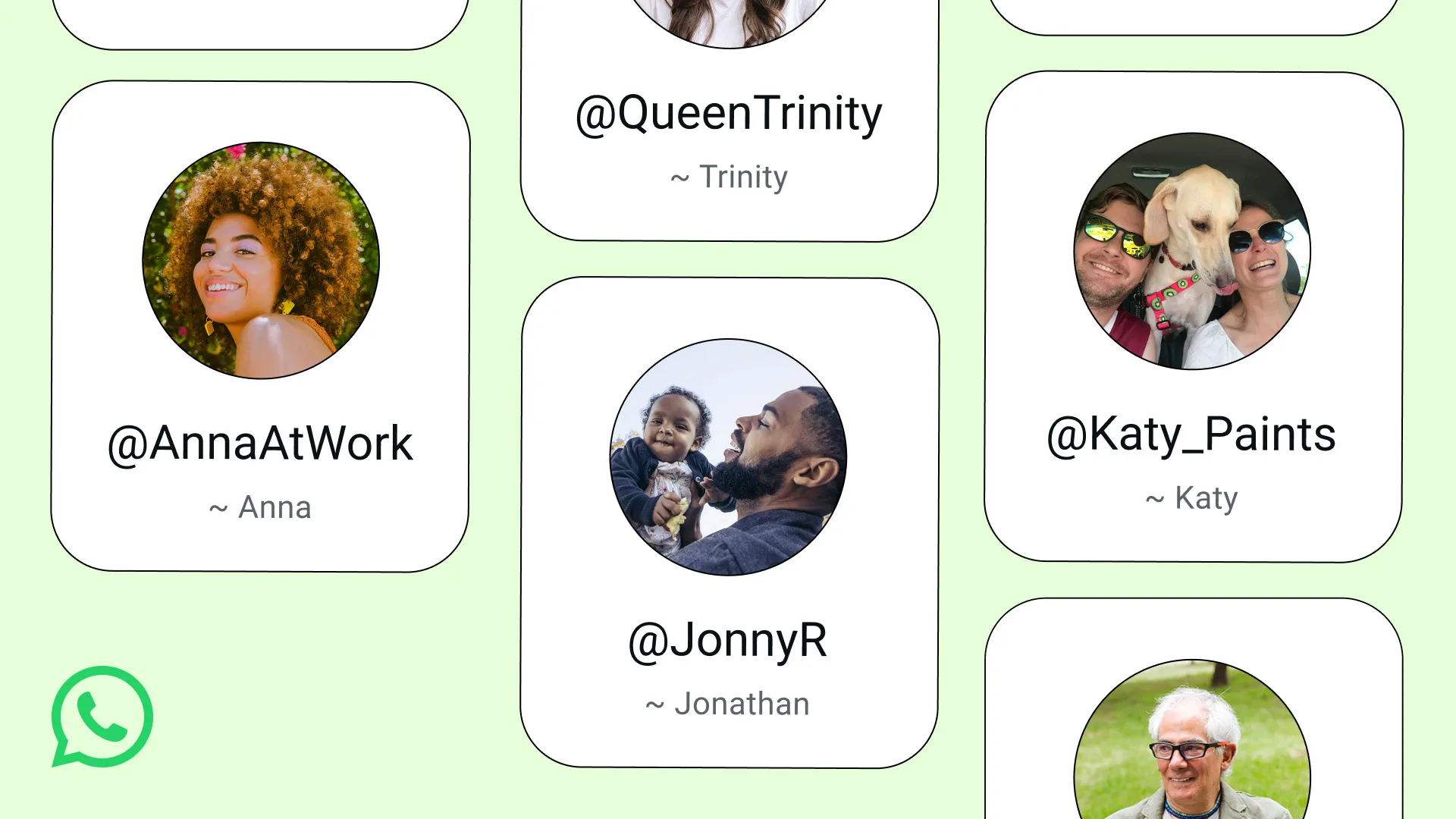
WhatsApp is about to change how people find each other on the app. Instead of handing over a phone number, users will be able to share a username. Meta says this protects privacy, especially when you are added to a big group or message a business for the first time. But security experts and regulators are asking a hard question: what happens to accountability when a phone number is no longer the first thing you see?
What WhatsApp is changing
Users can now reserve a username, with wider use planned later this year. Meta says there will be no public directory and no suggestions, so someone must know your exact username to reach you first. Once the feature is live, people who don’t have your number saved will see your username instead. A phone number is still required to create an account.
Why the phone number mattered
For years, a phone number worked as a rough form of identity. Scammers could be reported, blocked, and sometimes traced through it. Victims could also run a number through call-checking apps or ask a bank whether it was genuine. A username removes that first checkpoint. If a stranger contacts you through a handle, you have less to investigate.
The lookalike problem
The bigger worry is imitation. Usernames follow familiar patterns such as a brand name followed by “support”, “official” or “team”. A fraudster only needs a handle that looks close enough to a real bank, delivery company or online shop. A rushed customer may not notice one swapped letter before sharing card details or paying for goods that never arrive.
Experts warn this could fuel fake customer support, investment scams, romance fraud and phishing. Business chats are especially exposed because people already expect to receive payment instructions and delivery updates on WhatsApp.
What Meta says it is doing
Meta says it has reserved usernames for governments, public figures and verified accounts, and says lookalike versions of these will be restricted. It says first-time senders will trigger warnings that include the sender’s country, and that it will limit how many new people an account can contact. It also says it will block repeated attempts to guess a username and use systems to detect impersonation patterns. Critics note that Meta has not fully explained how it decides which names are protected or how it handles near-identical spellings.
How to protect yourself
Nigerian users already lose money to fake vendors and cloned business pages, so a few habits matter even more now:
- Treat a username alone as proof of nothing. Check the exact spelling, letter by letter.
- Confirm a business through its official website or verified social pages before you pay.
- Never share OTPs, card PINs or bank passwords in a chat, whoever is asking.
- Be suspicious of urgency, such as “pay now or lose your order”.
- Pay on delivery or use escrow where possible.
- Report and block suspicious accounts immediately.
The real test ahead
Usernames do solve a real problem. Phone numbers leak into group chats, marketplaces and spam lists, and many people want more control over who sees theirs. But privacy for ordinary users should not become cover for fraudsters. Whether this feature succeeds will depend on how well WhatsApp verifies businesses, polices lookalike names, and gives victims a clear way to report abuse. Until then, customers will have to do more checking than before.