


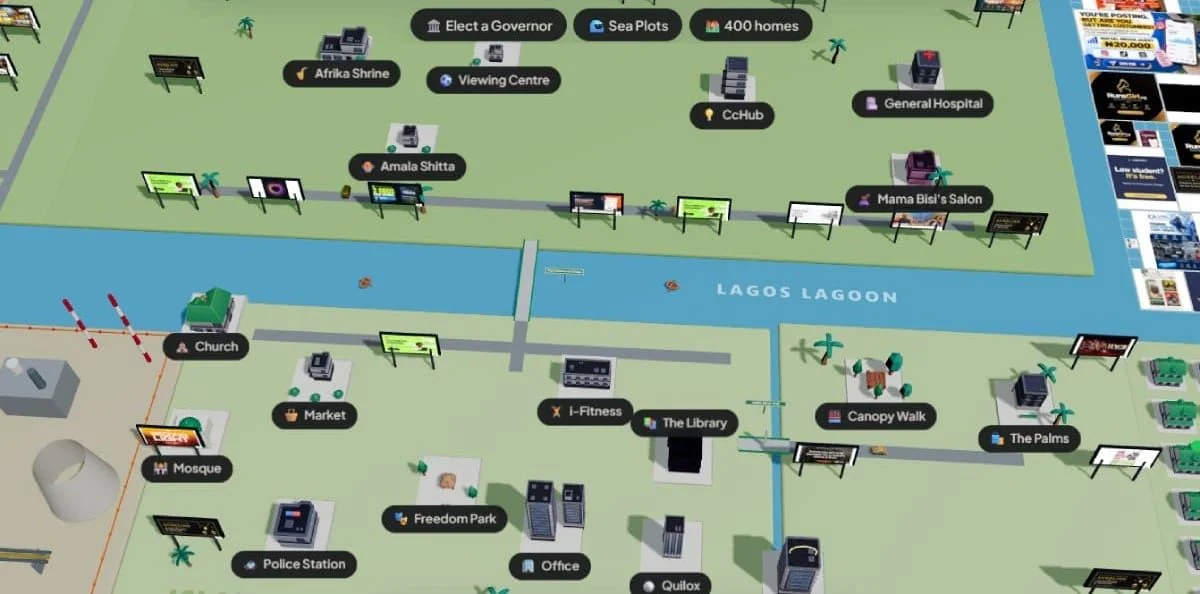
Lagos Life did not win players with advanced graphics or a big marketing budget. The browser game, built by Nigerian developer Shalom Rayhamen, crossed one million players in three days because it showed people a world they already know. Its rise offers a clear lesson on why consumers respond so strongly to localised content.
Familiar Details Do the Marketing
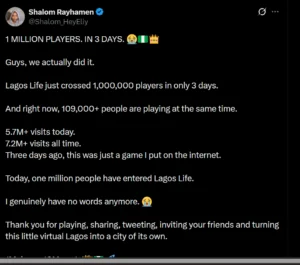
Rayhamen’s own figures show how fast the game spread. She reported more than 109,000 players online at once, over 5.7 million visits in a single day and more than 7.2 million visits since launch. These numbers come from her dashboard and are unaudited, but the scale is hard to miss. The game’s appeal sits in its details. Players eat amala at Shitta, dance at Quilox, ride the danfo, pay rent every Saturday and try to survive NEPA’s unreliable power. Its tagline sums it up: get a house, get a job, dodge NEPA, make friends. Nobody needs a tutorial to understand those jokes.
Recognition Beats Explanation
Most popular life simulation games are set in places many Nigerians have never lived in. Rayhamen grew up playing The Sims 3 and wondered what it would look like in a world inspired by ours. Lagos Life answers that question. When a game reflects your own streets, food and daily frustrations, you do not have to translate anything. Players recognise themselves at once, and that recognition makes them want to share the experience.
Shared Humour Spreads Faster Than Ads
Local content gives people something to talk about with friends. Social media is filled with players posting their in-game adventures, and one report described thousands of players gathering at the virtual Quilox at the same time. Players joked about virtual giveaways and compared their game wealth to real life. Content built on shared culture invites this kind of conversation, because the audience already understands the references. That is how a game with no large advertising push reached millions.
Low Barriers Fit Local Realities
Localised content works best when it is easy to reach. Lagos Life is free and runs in a phone or computer browser, with no console, powerful device or large download needed. Rayhamen was inspired in part by Eureka’s browser game where players drive a danfo through Lagos, which reached more than 85,000 players in its first week. Together, the two games suggest that Nigerian audiences respond when familiar settings arrive in an accessible format.
Local Audiences Mean Local Business
A large, engaged local audience also attracts commercial interest. Artists can reportedly pay ₦50,000 to have their songs played in clubs and other spots inside the game, giving musicians a new way to reach listeners who already share their cultural references. Brands and creators watching this growth will notice how quickly culturally specific content can build an audience.
What Comes Next
Growth brought challenges. An exploit let some players create large amounts of in-game money, and Rayhamen responded by removing the illegitimate funds and restoring legitimate balances. Keeping the game stable and fair will matter as the audience grows. Still, the central lesson stands. People respond when a product reflects their own lives, and a developer who understood that built a virtual city that a million Nigerians moved into within three days.