
African companies are struggling with a major problem. Nine out of ten businesses across the continent say they don’t have enough workers with artificial intelligence skills. This skills gap is causing serious issues like delayed projects, failed innovations, and missed business opportunities.
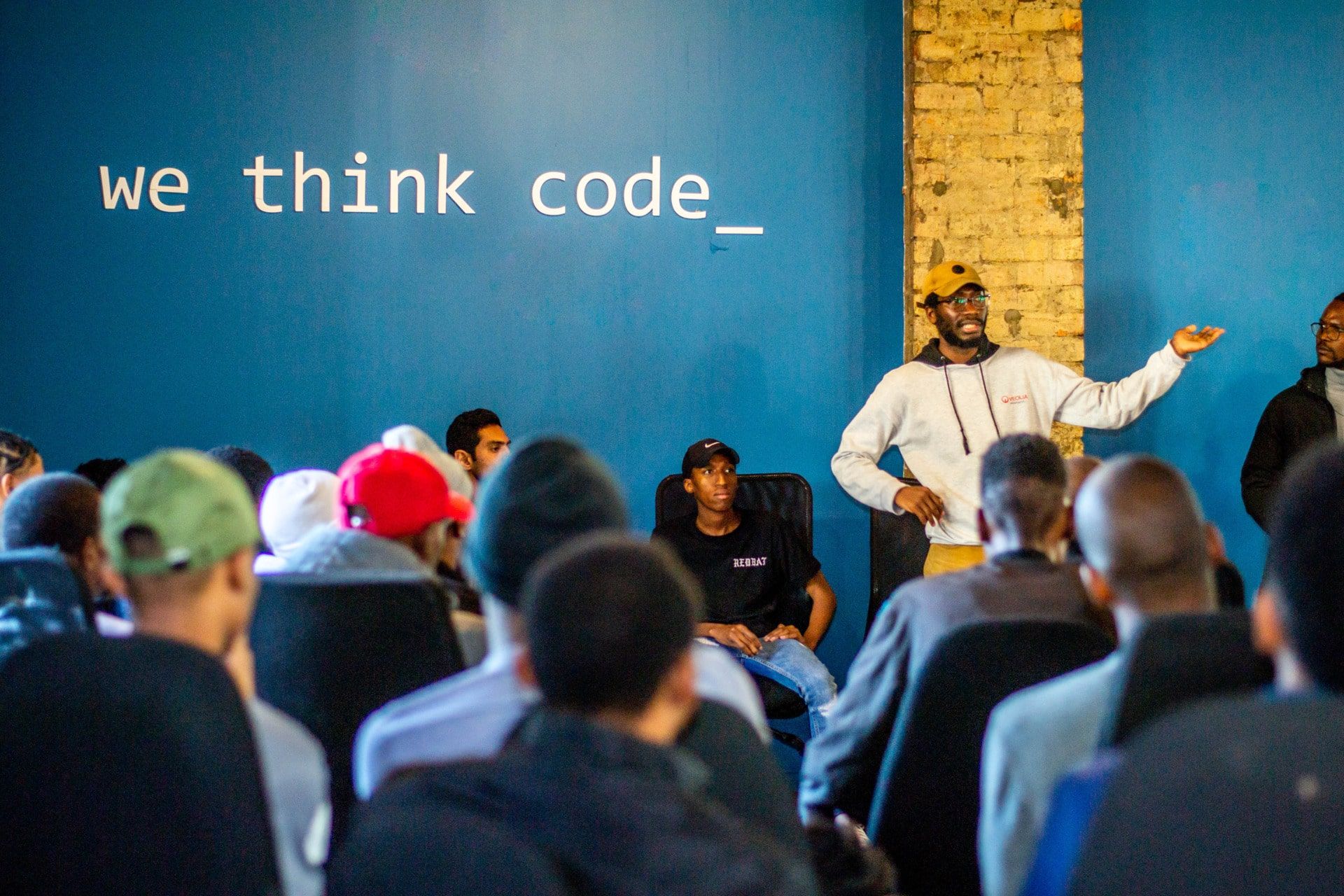
WeThinkCode, a South African coding academy, just received $2 million from Google.org to help fix this problem. The money will fund AI training programs for 12,000 people across South Africa and Kenya.
Research by SAP shows that 85% of African organizations consider AI development skills a top priority. Every single company surveyed expects to face AI talent shortages in 2025.
Two Different Training Programs
WeThinkCode will split its new AI training into two main areas:
AI for Software Engineers will train 6,000 people who want to work in tech. These courses will teach them how to use AI-powered programming tools in their daily work as software developers.
AI for Non-Technical Careers will train another 6,000 people from fields like law, education, and healthcare. They will learn how to use AI to automate routine tasks and work more efficiently.
Both programs will be completely free. The courses will run between 40 and 80 hours each. Students can attend in person or join online classes.
WeThinkCode already works with many companies. The academy plans to use these partnerships to help graduates find jobs after they complete their AI training.
The Skills Crisis Is Getting Worse
The numbers from across Africa paint a worrying picture. According to SAP’s latest report, 61% of African businesses say AI skills are critical to their success. But the reality is that most companies simply cannot find enough qualified workers.
South Africa faces the biggest challenge. The country has the highest rate of expected AI skills shortages at 53%, followed by Nigeria at 50% and Kenya at 43%.
Companies are already feeling the impact. Many report that projects are being delayed or cancelled because they don’t have staff with the right AI knowledge. This puts African businesses at a disadvantage compared to competitors in other regions.
WeThinkCode CEO Nyari Samushonga explained the urgency:
“AI is redefining the future of work, and without intervention, Africa risks being left behind. This programme ensures that young people, regardless of their socio-economic background, have the skills to participate in and shape the digital economy.”
About WeThinkCode
WeThinkCode started in Johannesburg in 2015. The academy focuses on making technology careers accessible to people from disadvantaged communities. All its programs are free and based on aptitude rather than the ability to pay fees.
The academy uses a peer-to-peer learning approach. Students work together to solve problems rather than sitting through traditional lectures. This method has proven successful in training thousands of software developers since the academy opened.
WeThinkCode’s model addresses two major problems in South Africa, youth unemployment and the shortage of technical skills. The country has one of the world’s highest youth unemployment rates, while companies struggle to find qualified tech workers.
Growing Interest in African AI Talent
The Google funding for WeThinkCode is part of a larger trend. International companies are increasingly looking to Africa for technology talent. This creates opportunities for African workers but also highlights the urgent need for proper training.
Last year, JADA, a Nigerian AI startup, raised $1 million to train advanced AI professionals. The company was founded by former Jumia Nigeria CEO Massimiliano Spalazzi and focuses on mid-career data professionals.
Google’s own 2024 Data & AI Trend Report found that over half of digital leaders worldwide struggle to hire for AI and data roles. This global shortage means there are real opportunities for well-trained African professionals.
Haviva Kohl, senior programme manager at Google.org, emphasized the importance of making AI accessible: “AI is a transformative technology, and it’s critical that the benefits are accessible to all.”
The Bigger Picture
The AI skills shortage isn’t just about individual companies. It affects entire economies. Countries that can’t keep up with AI development risk falling behind in the global economy.
African governments and private sector leaders are starting to take notice. Investment in tech training programs is increasing across the continent. However, the scale of the problem requires much larger efforts.
The SAP research shows that 94% of African organizations now offer IT training at least once a month. This is up from 74% previously. While this shows commitment to addressing the skills gap, much more needs to be done.
WeThinkCode’s new program is designed to reach people who might not otherwise have access to AI training. By offering free courses and supporting both in-person and remote learning, the academy hopes to cast a wide net.
The program will start later this year. WeThinkCode will upgrade its learning management systems to handle the increased number of students and remote participants.
Companies across Africa will be watching closely to see if programs like this can help solve their AI talent problems. Success could lead to similar initiatives in other countries facing the same challenges.
The stakes are high. As AI becomes more important in business operations, companies without skilled workers will struggle to compete. For Africa to benefit from the AI revolution, training programs like WeThinkCode’s may be essential.