
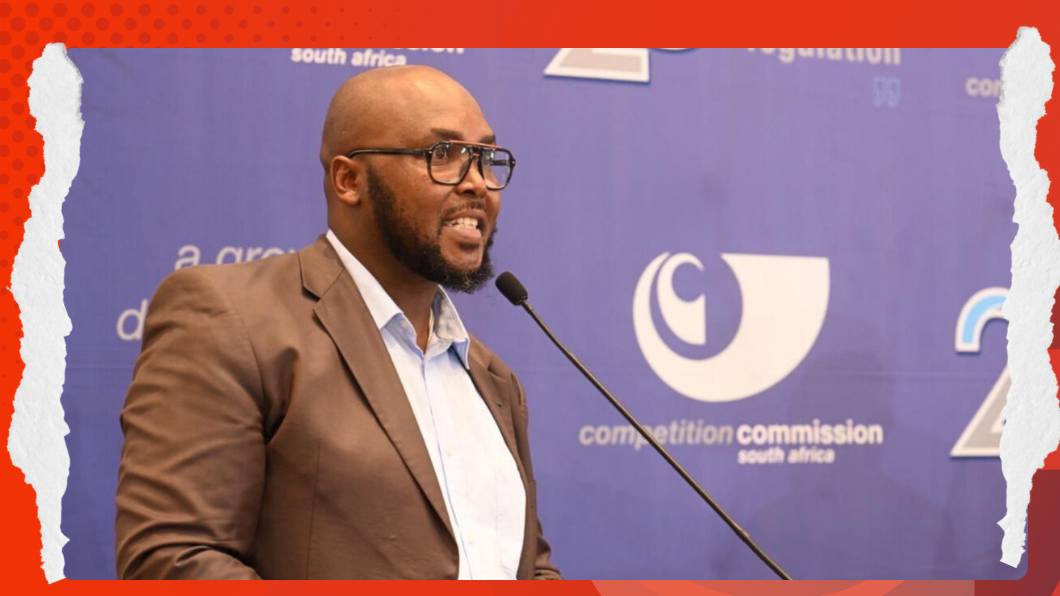
South Africa has started an important review that businesses have sought for many years. The Competition Commission wants companies, investors, regulators, and public bodies to point out the rules that delay approvals, raise compliance costs, and shut smaller firms out of markets. Submissions are open until 5 June 2026, and the Commission says it wants practical fixes, not broad complaints.
South African startups, telecom operators, platform businesses, and investors have spent the past few years working through slow licences, long merger reviews, and uneven rule enforcement. That kind of friction drains cash, delays expansion, and rewards firms that already have scale and legal muscle. Smaller businesses usually take the hardest hit.

What the Competition Commission wants from business
The Competition Commission says this process will look at sector rules, licensing frameworks, procurement rules, and other regulations that block entry or expansion. It wants businesses to name the exact rule, explain how it raises costs or delays progress, and suggest a better option. That makes this review more useful than a general policy debate. It asks for evidence that regulators can test and act on.
The Commission has also made its goal clear. It does not want weak oversight. It wants smarter oversight that protects consumers and the public interest without turning regulation into a gate at the market entrance. That matters because South Africa still needs firm rules in sectors such as telecoms, digital platforms, transport, and infrastructure. The issue is not the existence of rules. The issue is slow, costly, and uneven enforcement.
What the IMF says about the problem
In March 2026, IMF said the country has one of the most restrictive business environments among peer economies. It pointed to licensing and permitting burdens, weak procurement practices, and low competition in some markets as barriers that hold firms back. It added that these barriers hurt productivity, growth, and job creation.
That finding is in line with what many founders and operators already know from daily experience. Delays not only waste time, but they also change business plans. A startup that waits months for approval burns runway. An investor who cannot see a clear timetable delays capital. A growing company often parks expansion plans until the paperwork clears. This is one reason South Africa loses momentum even when demand for digital services stays strong.
The Commission needs detailed evidence, not broad frustration
Businesses that respond to this call should keep their submissions tight and specific. The strongest responses will identify one rule at a time, show the direct cost in money or time, explain who gets blocked, and offer a workable fix. The Commission has asked for practical alternatives because vague complaints rarely change policy. Clear examples do. Submissions can be sent to regulation@compcom.co.za by 5 June 2026.
The Commission also has reason to show results. It already uses service standards in merger work to set expectations around review timelines, and its annual report points to guidelines and process tools meant to reduce unnecessary delay. This new review gives it a wider chance to push reform beyond competition law and into the day-to-day rules that shape market entry.
The tech sector has already seen the cost of delay
South Africa’s tech and telecom market has a recent example that many investors will remember. Vodacom announced its proposed Maziv deal in 2021. The matter moved through years of review and challenge before the Competition Appeal Court approved the transaction in August 2025, subject to revised conditions. Regardless of where people stood on the merits of the deal, the timeline showed how long high-value infrastructure transactions can take to clear.
South Africa needs more investment in broadband, data infrastructure, fintech, cloud services, and digital public systems. Investors in those areas look at demand, pricing, and competition. They also look at how long approvals take and how clearly regulators explain their decisions. If the process feels slow or uncertain, money waits.
The government has already admitted red tape is a drag
The official State of the Nation 2026 policy page says that costly and complicated regulations stop companies from growing and creating jobs. It also says the Presidency has a dedicated red tape reduction team working with departments and agencies to make it easier to do business.
The Presidency’s 2025 to 2030 Strategic Plan says the government will mainstream red tape reduction across every department and public entity to cut regulatory burdens that hold businesses back from creating jobs. That tells us this debate has moved beyond business frustration. It now sits inside official reform language at the highest level.
The government has also tied reform to sectors that shape the digital economy. The Presidency says structural reform work has focused on energy, logistics, telecommunications, visas, and water. Those are not side issues for tech companies. They shape network rollout, talent mobility, uptime, delivery costs, and the basic pace of expansion.
South Africa has a real chance to fix an old problem
This public review matters because it focuses on the part of the regulation that businesses feel every day. It focuses on permits that take too long, approvals that move without a clear timetable, and rules that weigh heaviest on smaller firms. If the Commission turns this feedback into real reform, South Africa will give its business environment something it badly needs right now. It will give it speed, clarity, and trust.
For the tech sector, that outcome would be especially important. Better rules and faster decisions help fibre projects move, help startups scale, help investors commit capital, and help digital services reach more people. South Africa does not need fewer regulations. It needs regulation that works at the speed of business and still protects the public. That is the standard this review now has to meet.