

Nigerian waste startup Ororo Waste Management Limited has secured up to ₦1.4 billion (about $1 million) from Rising Tide Africa, a women-led pan-African angel investment network. The funding will help the company grow its used cooking oil collection across the country.
How the Funding Will Be Paid and Used
Rising Tide Africa made the first payment on September 16, with the second expected on December 16. That means the full amount has not yet been paid out. The startup says the money will go towards buying used cooking oil from its network of collectors and covering the running costs of its collection hubs. The commitment is reportedly double the amount the network usually invests.
From Kitchen Waste to Biofuel Feedstock
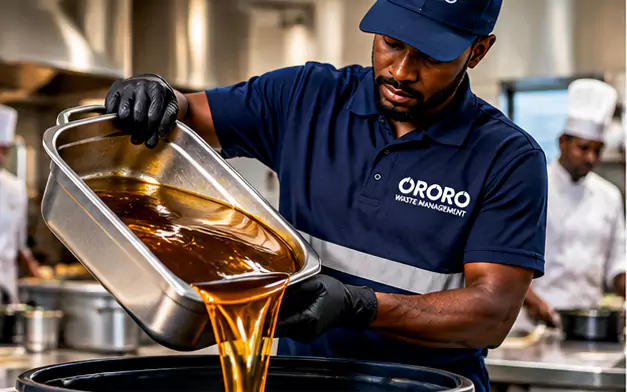
Ororo Waste collects used cooking oil from households, markets, restaurants and institutions. It then certifies and exports the oil to global biofuel markets. Used cooking oil can be refined into biodiesel and sustainable aviation fuel, which makes it valuable abroad. The name comes from the Yoruba word for cooking oil.
The Lagos-based company was founded in 2021 by Ayodele Banjo, a former consultant, and Lawson Nzekwe. It holds International Sustainability and Carbon Certification as a collector and exporter. Buyers abroad need proof that the oil is genuine waste and not fresh vegetable oil, so this certification is essential for access to those markets.
A Large Waste Stream Going Uncollected
The company estimates that Nigeria produces about 840,000 tonnes of used cooking oil every year, and that more than 95 per cent of it is never collected. These are Ororo’s own figures and not independent measurements. Much of that waste ends up in drains and the environment instead.
Lagos officials say improper disposal blocks drainage, worsens flooding and pollutes groundwater. They also warn that repeatedly reheated oil is unhealthy for people to consume. The state’s environmental agency has said Lagos alone may produce about half of the country’s used cooking oil.
Government and Donor Backing
The investment follows a partnership announced earlier this year. In February, the Lagos State Environmental Protection Agency named Ororo as its partner for used cooking oil collection. With support from Shell Foundation, they opened collection kiosks where households can drop off used oil and earn rewards. Ororo’s managing director has said households produce between 50 and 60 per cent of the used cooking oil generated.
Growth Targets
Ororo plans to expand to about 40 hubs across Nigeria within five years. It also aims to raise its certified collection to more than 150,000 tonnes a year by 2031. The company says this growth will create formal income opportunities in a sector that is mostly informal.
What to Watch
The real test is whether Ororo can keep collection volumes high and quality consistent as it opens new hubs. Success also depends on whether households keep bringing oil to the kiosks. If it works, the model could turn a messy household problem into steady income for thousands of collectors.