
Okra Solar has secured a $7 million debt facility from British International Investment (BII), the UK’s development finance institution, to expand electricity access in rural Nigeria. The financing was announced at the Global Off-Grid Solar Forum in Kigali on October 29. It is aimed at a practical bottleneck, which is how quickly the company can get equipment into the country.
What the money will do
The facility is working capital for procurement. It will let Okra buy solar panels, batteries and other long-lead-time components upfront and in bulk, rather than ordering in small batches after a deal closes. The goal is to have stock ready when an energy developer signs, which should cut delivery times to Nigeria significantly.
BII says the facility could support about 150,000 new connections, with the potential to bring electricity to as many as 750,000 people who currently have no access.
How mesh-grids work
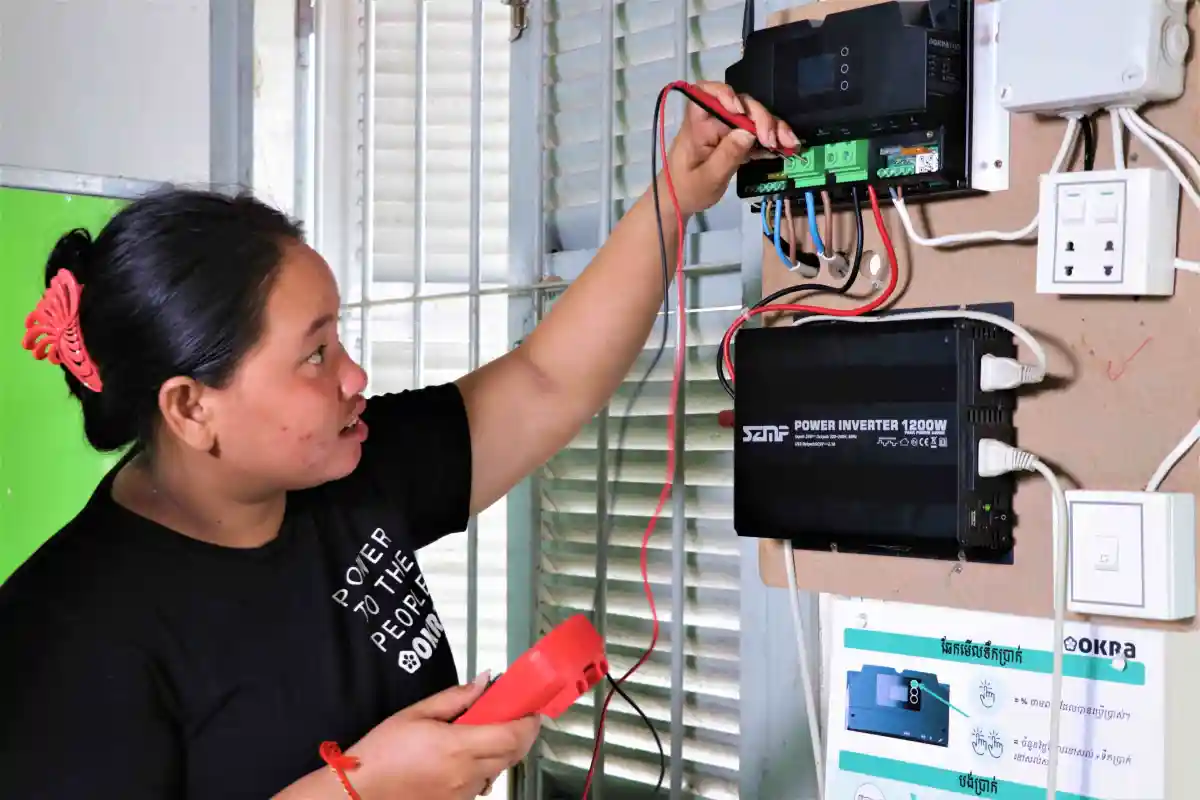
Okra’s technology links solar generation, battery storage, smart meters and wireless communication across neighbouring properties. Households and businesses can then share the electricity available on the network, instead of each relying on a stand-alone system. This gives developers another option for serving communities beyond the reach of the national grid.
It is worth being clear about Okra’s role. The company supplies hardware and software to energy developers who build and operate the projects, so the new connections will be delivered through those partners.
Why it matters for rural Nigeria
Millions of Nigerians still live without dependable electricity, and extending the main grid to remote communities is slow and costly. Decentralised systems can reach them faster. Reliable power also matters beyond the home, since rural traders and small businesses need it to run equipment, keep goods cold and trade for longer hours.
The deal also fits a pattern in BII’s approach. The lender previously backed a similar procurement facility in Nigeria’s mini-grid sector, which suggests it sees supply-chain finance as a way to unlock distributed energy. A BII executive said the lender hopes its support will help establish the commercial case for mesh-grids.
What to watch next
Affordability is the key test. Okra and its developer partners will have to balance the cost of expanding networks against what rural households and businesses can realistically pay. The $7 million is also modest against the scale of Nigeria’s energy access gap, so the real measure will be how many connections reach communities and whether they stay reliable.