

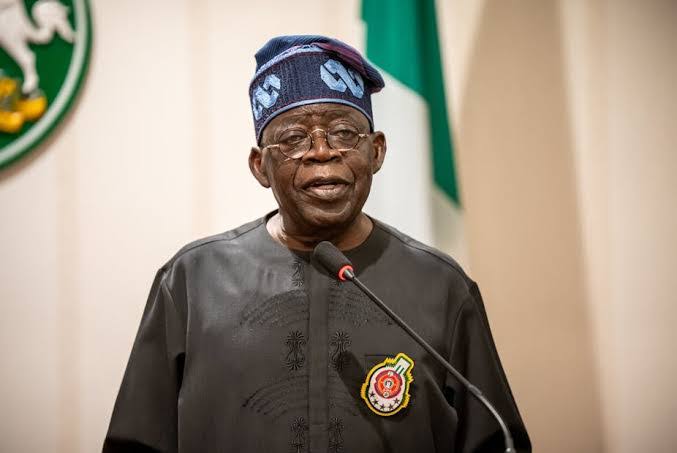
President Bola Tinubu recently directed the Federal Competition and Consumer Protection Commission (FCCPC) to investigate major technology companies like Meta, Google (Alphabet), and X (formerly Twitter), along with several Generative AI platforms operating in Nigeria. For the average Nigerian scrolling through Facebook or watching YouTube, this might sound like another government move against the apps they use daily.
But this is not a threat to your favourite platforms. It is a promise of fair play. Here is why this investigation matters more than the news headlines suggest.
The Media Industry Has Been Giving Away Value For Free
Nigerian media houses are struggling. Digital media traffic in Nigeria dropped by 26.2 percent in 2025, falling from over 1.04 billion visits in 2024 to 769 million. At the same time, tech platforms use Nigerian news content to attract users, sell ads, and train their AI models. The Nigerian Press Organisation, which includes major journalism bodies, submitted a petition to the presidency. They argued that tech companies take their work without fair payment.
This is not a new problem. But it is one that now has a spotlight.
Nigeria Is Not Pushing Tech Away
Some people might worry this investigation will scare off investors or limit access to global platforms. The facts say otherwise. The FCCPC has made it clear that this inquiry is not a presumption of guilt. The commission wants to examine the facts, hear from all sides, and determine if any laws have been broken.
FCCPC Executive Vice Chairman Tunji Bello put it well. He said the commission recognises the strategic importance of the media to democracy and the equally significant role of technology in driving innovation and economic growth. This is not about picking a fight. It is about building a fair system.
There Is Already A Precedent For This Working Well
South Africa recently went through a similar process. After an investigation by its competition commission, Google agreed to pay South African news media R688 million, roughly $40 million, annually for three to five years. That agreement did not destroy Google’s business in South Africa. It created a sustainable arrangement where news publishers got paid for the value they provided.
Nigeria is looking at that model. And it makes sense.
This Is About Protecting Nigerian Creativity And Content
The investigation covers three main areas. First, market dominance and anti-competitive conduct. Second, the unauthorised use of copyrighted news content to train AI models. Third, the lack of fair commercial agreements between tech companies and Nigerian publishers.
These are not abstract legal terms. They are about real people. Journalists who write stories. Broadcasters who produce content. Publishers who invest money to inform the public. When tech platforms use that work without fair compensation, it hurts the entire media ecosystem. It makes it harder for quality journalism to survive. And when quality journalism struggles, democracy suffers.
Nigeria Is Building A Modern Digital Economy
President Tinubu has been clear about his vision for Nigeria’s digital future. He recently signed the NIMC Act 2026 into law, establishing a modern framework for digital identity that enhances cybersecurity and supports economic growth. He has also pushed for stronger digital trade across Africa.
A modern digital economy needs rules. It needs fairness. It needs to protect the people who create value. You cannot build a thriving digital economy on the back of unpaid labour.
This Moves Nigeria From Consumer To Player
For too long, Nigeria has been a consumer of technology rather than a participant in its governance. Global tech companies set the terms. Nigerians accepted them. This investigation changes that dynamic.
It signals that Nigeria is ready to engage as an equal partner. Not by shutting down platforms, but by demanding fair treatment for its citizens and its industries. That is what regulatory maturity looks like.
The Investigation Will Strengthen the Tech Ecosystem
Some might argue that regulation stifles innovation. But regulation done right creates stability. It gives companies clear rules to follow. It gives consumers confidence that their rights are protected. It gives local industries a chance to compete on a fair ground.
The FCCPC previously investigated Meta and secured a $220 million judgment in 2025 over data privacy violations. Meta appealed the decision. That is how the system works. Companies have their day in court. Regulators do their job. And over time, the rules become clearer for everyone.
This new investigation is the next step in that process.
What This Means For The Average Nigerian
For the person reading this article, the impact might not be immediate. But over time, a fairer system means better journalism. It means Nigerian stories get told by Nigerian voices. It means the news you read is produced by people who can actually make a living from their work.
It also means that when you use global platforms, you are part of an ecosystem that respects local content. That is good for everyone.
Nigeria’s investigation into Big Tech is not a hostile act. It is a constructive step toward a more balanced digital economy. It protects local creators. It establishes clear rules. It positions Nigeria as a serious player in the global tech landscape.
The world is watching. Nigeria is not just reacting to technology. Nigeria is helping to shape how technology operates within its borders.