

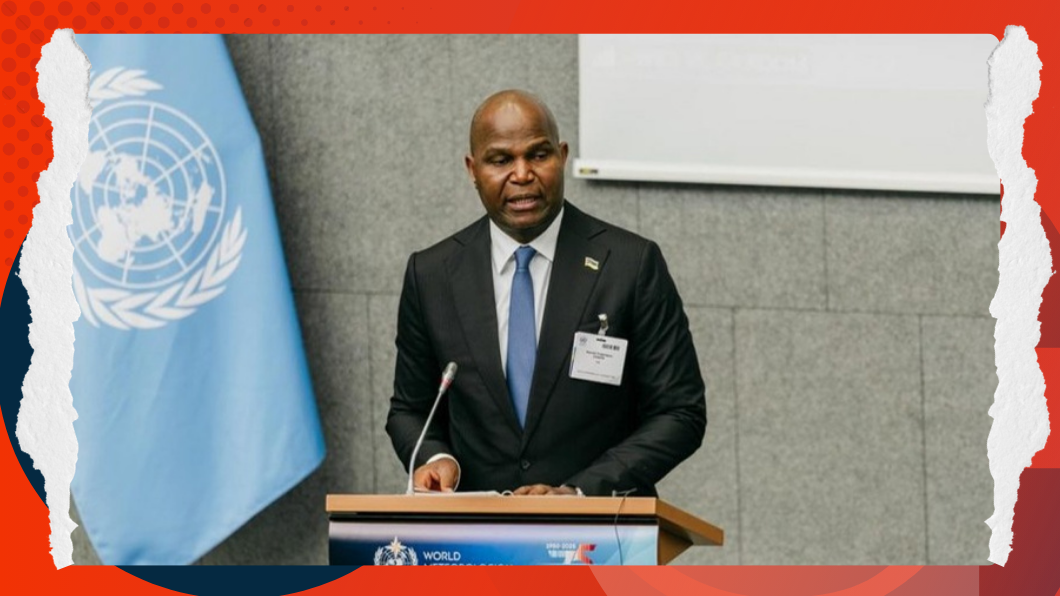
Mozambique’s President Daniel Francisco Chapo made a statement recently in Geneva. He told world leaders that artificial intelligence and digital systems hold the power to save lives when extreme weather strikes. His country needs these tools now more than ever.
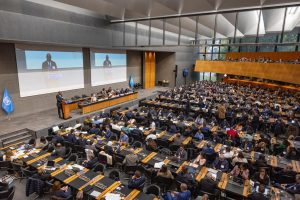
Chapo spoke at a high-level meeting on early warning systems hosted by the World Meteorological Organization. Mozambique just survived three devastating tropical cyclones in the 2024-2025 season alone.
Three Monster Storms Hit Mozambique Hard
Cyclones Chido, Dikeledi, and Jude struck its northern provinces with deadly force. Cyclone Chido alone killed 120 people and injured 868 others. More than 453,000 people felt its impact. Over 155,500 homes suffered damage or complete destruction. Economic losses reached $3.9 billion, making it the costliest storm ever recorded in the South-West Indian Ocean.
These storms hit areas already struggling with terrorist attacks in Cabo Delgado province. Communities had little time to recover between disasters.
AI Technology Shows Promise in Weather Prediction
Chapo believes artificial intelligence can change how Mozambique prepares for these storms. The country is already testing new digital systems. These tools collect weather data automatically and share information across the region.
“We learned a fundamental lesson: a timely warning saves lives,” Chapo said. “When the alert comes in time, response is quicker, action is more effective, and the impact is smaller.”
Climate scientists across Africa are turning to AI for better weather forecasts. The technology promises more accurate predictions of extreme weather events. Local communities could get warnings days earlier than before.
Research shows AI can improve both the speed and accuracy of weather modeling. Traditional forecasting methods sometimes miss rapid changes in storm patterns. AI systems can process massive amounts of data in real-time.
Money Spent on Prevention Saves Much More Later
The economic argument for early warning systems is compelling. Every dollar invested in these systems can save up to fifteen dollars in disaster response costs, according to the World Meteorological Organization. Some studies suggest even higher returns.
Prevention costs less than rebuilding entire communities after storms pass. Early warnings help people evacuate safely. They protect crucial infrastructure from damage.
Mozambique has already seen this principle work. The country cut deaths and economic losses from tropical cyclones by investing in better weather monitoring. Improved communication systems now reach more remote areas.
Funding Remains the Biggest Challenge
Chapo didn’t hide the financial reality his country faces. Climate funding remains limited for developing nations like Mozambique. The national budget cannot cover all the technology needed for climate resilience.
“Our state budget, with the constraints typical of a developing country, is not sufficient to finance a growth model resilient to global climate change,” he admitted.
The president called for new partnerships between public and private sectors. He wants innovative funding mechanisms that make technology accessible to vulnerable countries. International cooperation must increase, he argued.
Mozambique currently benefits from the Systematic Observations Financing Facility (SOFF). This program helps modernize the national weather monitoring network. But more support is needed.
Early Warning Systems Need to Reach Everyone
Universal coverage remains the ultimate goal. Chapo stressed that early warning systems must be “people-centered.” Alerts need to be simple, accessible, and useful for all citizens.
Many rural communities in Mozambique still lack reliable communication infrastructure. Mobile phone networks don’t reach every village. Radio remains crucial for remote areas.
The country is working to make weather alerts more inclusive. Traditional knowledge from local communities gets combined with modern technology. This approach helps ensure warnings reach everyone who needs them.
Climate Change Increases Storm Frequency and Intensity
Scientists expect weather extremes to become more common in Mozambique. Climate change is projected to increase seasonal rainfall variation. This pattern amplifies risks of both droughts and floods.
The Indian Ocean continues warming, providing more energy for tropical cyclones. Storms may become stronger and more unpredictable. Traditional forecasting methods struggle with these rapid changes.
Mozambique’s coastal geography makes it particularly vulnerable. The country faces threats from multiple directions. Storms can approach from the ocean while inland areas deal with flooding from heavy rains.
Population growth in coastal cities increases exposure to storm damage. More people live in areas directly threatened by cyclones. Infrastructure often can’t handle extreme weather events.
International Support Grows for Climate Adaptation
The World Meteorological Organization recognized Chapo for his leadership on disaster risk reduction. The organization praised Mozambique’s commitment to strengthening early warning systems.
Switzerland, Ghana, Burkina Faso, and other nations voiced support for the Early Warnings for All initiative at the Geneva meeting. International cooperation is expanding beyond traditional donor relationships.
South-South cooperation between developing countries shows promise. Mozambique and Tanzania recently strengthened partnerships for early warning systems. Countries facing similar challenges can share solutions and resources.
Private sector involvement is also increasing. Technology companies see opportunities to develop weather prediction tools for emerging markets. Mobile operators help expand communication networks to remote areas.
The Race Against Time Continues
Climate change won’t wait for perfect technology or unlimited funding. Mozambique faces a race to build resilience before the next major storm season arrives.
The country’s experience shows that investing in early warning systems pays off. Lives saved and infrastructure protected justify the upfront costs. But scaling these systems requires sustained commitment and resources.
Developing countries need more support to build the technology infrastructure that saves lives.
The next cyclone season will test whether Mozambique’s investments in AI and early warning systems can reduce the human and economic toll of extreme weather. For the millions of people in the storm’s path, that technology could mean the difference between life and death.