
Kenya has signed new anti-money laundering laws and fast-tracked cryptocurrency regulations after being added to Europe’s list of high-risk countries for financial crime. enforcement of money laundering rules.
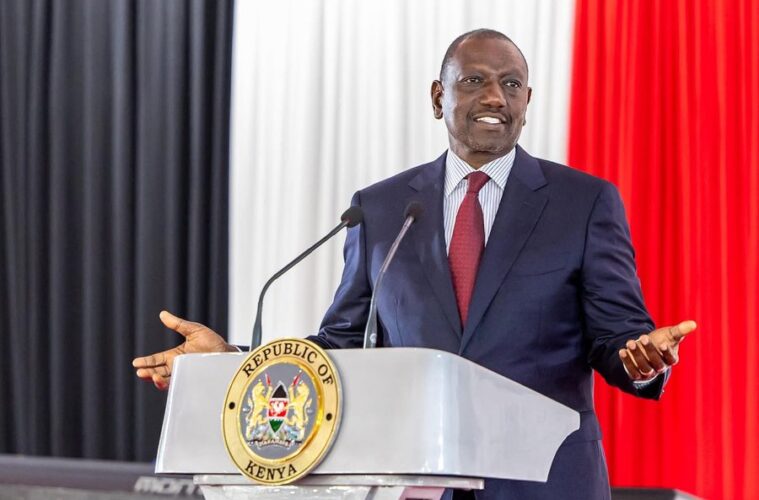
President William Ruto signed the Anti-Money Laundering and Combating of Terrorism Financing Laws (Amendment) Bill 2025 into law, just days after the European Commission added Kenya to its updated list of jurisdictions with weak financial crime controls. The European decision affects how EU banks and financial firms deal with Kenyan institutions.
Kenya was first placed on the Financial Action Task Force (FATF) greylist in February 2024 for failing to prosecute money laundering cases and lacking proper regulations for virtual assets. The FATF is the global body that sets standards for fighting money laundering and terrorism financing. Being greylisted means Kenya faces increased scrutiny and higher compliance costs for international transactions.
The new law targets shell companies and property transactions, which investigators say have become common ways to move dirty money. It also paves the way for stricter oversight of real estate deals, where large cash transactions often happen without proper checks.
“Kenya is keen on pursuing reforms that cement our position in the region as a leader in financial integrity and regulatory reform,” Ruto said after signing the bill. The president acknowledged that the legislation addresses gaps in monitoring property deals and the use of unclear corporate structures.
Cryptocurrency Rules Coming
Kenya is also moving to regulate cryptocurrency companies through a separate Virtual Assets Service Providers Bill 2025, which is currently before parliament. The bill would require crypto firms to set up local offices, get licenses from regulators, and have their executives vetted by authorities.
The Capital Markets Authority and Central Bank of Kenya would oversee crypto companies under the proposed law. This marks a big shift for Kenya, which has previously been skeptical of digital currencies but now wants to bring the fast-growing sector under regulatory control.
The crypto bill includes heavy penalties, with fines of up to 10 million shillings ($77,000) for violations. Industry groups have been pushing back against some of the stricter provisions, arguing they could stifle innovation in Kenya’s growing fintech sector.
Banks Face Higher Costs
Kenya’s inclusion on both the FATF greylist and now Europe’s high-risk list means banks and financial companies face higher compliance costs. Financial institutions must now apply enhanced checks when dealing with Kenyan counterparts, which can slow down transactions and increase fees.
Credit rating agency Moody’s warned that being on the greylist is “credit negative” for Kenyan banks because it increases compliance costs and can cause delays in settling international transactions. Some banks have already reported a 30% increase in suspicious transaction reports as they tighten monitoring systems.
The impact extends beyond traditional banks to Kenya’s large mobile money sector. Companies like Safaricom, which operates the M-Pesa mobile payment system, have strengthened their anti-money laundering policies to meet new requirements. M-Pesa processes billions of dollars in transactions monthly and is widely used across East Africa.
Regional Comparison
While Kenya remains on the greylist, Uganda was recently removed from Europe’s high-risk list, showing that countries can successfully address regulatory concerns. The European Commission added several African nations to its updated list, including Algeria, Angola, and Côte d’Ivoire, while removing others like Senegal.
The FATF found that Kenya could not demonstrate any successful investigation and prosecution of money laundering offenses, despite conducting several terrorism-related investigations. This created what regulators called a “mismatch” between the country’s risk profile and its enforcement record.
Kenya’s Financial Reporting Centre, the country’s financial intelligence unit, has been working to improve information sharing between government agencies and strengthen case development for prosecutors. The center reported receiving more suspicious transaction reports from banks and other financial institutions as awareness of money laundering risks increases.
Tech Sector Impact
The new regulations particularly affect Kenya’s vibrant fintech sector, which has grown rapidly with innovations in mobile payments, digital lending, and cryptocurrency services. Startups and established tech companies now must ensure they have proper anti-money laundering controls in place.
Companies offering digital financial services must implement customer identification procedures, monitor transactions for suspicious activity, and report potential money laundering to authorities. This includes platforms that facilitate peer-to-peer payments, digital wallets, and online investment services.
The regulations also cover businesses that deal with virtual assets, including cryptocurrency exchanges, wallet providers, and companies that facilitate trading of digital tokens. These firms will need to register with regulators and follow the same anti-money laundering rules as traditional financial institutions.
Looking Ahead
Kenya hopes the new laws will help it get removed from international watch lists and restore confidence in its financial system. The country has committed to working with the FATF and regional bodies to demonstrate progress on enforcement.
Success will depend on how well Kenya implements the new rules and whether it can show concrete results in prosecuting financial crimes. The government has said it will provide additional resources to law enforcement agencies and the Financial Reporting Centre to improve their capacity.
International observers will be watching whether Kenya can build on these legislative changes with stronger enforcement action. The country’s next review by the FATF is expected in early 2026, which will determine if it has made enough progress to be removed from the greylist.
The stakes are high for Kenya, which relies heavily on international trade and foreign investment. Remaining on watch lists could make it more expensive for businesses to access global financial services and potentially deter international investors from the East African market.