
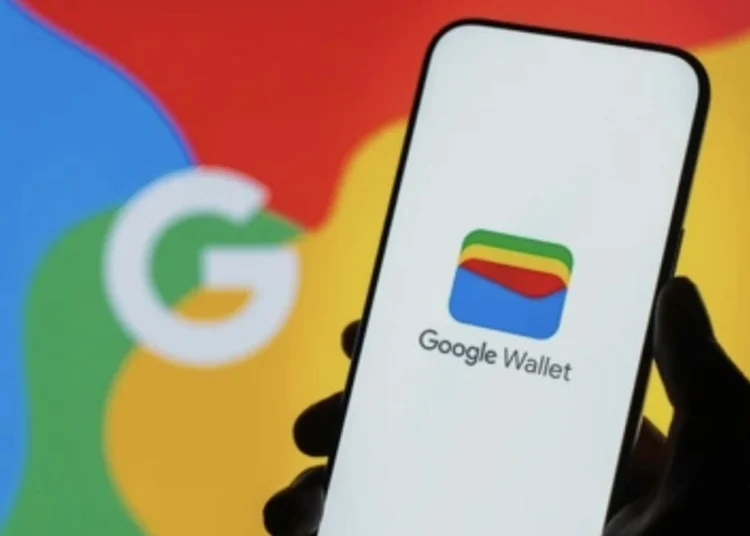
Google has launched Google Wallet and Google Pay in Nigeria, giving Android and Wear OS users a way to pay with their phones or watches instead of physical cards. The rollout began this week through Google’s partnership with Visa and a group of Nigerian financial institutions.
What the Launch Offers
Eligible users can add their cards to Google Wallet and tap a compatible phone or smartwatch on a supported terminal to pay in stores. The same cards can be used for in-app purchases and online checkout, where the Google Pay option appears at payment. GTBank has confirmed that its customers can add debit cards for local and international online payments, including subscriptions, travel bookings, food orders and bill payments.
Who Can Use It
Access is not universal yet. Visa says eligible cardholders of participating financial institutions can add their cards, so a user’s bank must be on the supported list. Availability also depends on the card type and on whether a merchant’s terminal accepts contactless payments. The service is for Android and Wear OS devices only, so iPhone users are not covered.
Public announcements so far confirm Visa cards and name GTBank as one participating lender. A full list of supported banks and card networks has not been widely published, so customers should check with their bank before assuming their card will work.
How Security Works
Google Pay uses tokenisation, which replaces the real card number with a unique digital token during a transaction. The merchant never sees the actual card details. Google also offers a find-my-device feature that helps users protect their payment information if a phone is lost or misplaced.
Why the Timing Matters
Nigeria already has one of Africa’s busiest digital payment markets, driven by bank apps, transfers, USSD and fintech wallets. Most of that activity runs through account transfers, not card tapping. Google Wallet adds a card-based option that may suit frequent travellers, online shoppers and people paying for global subscriptions.
Google Pay was not entirely new to Nigerian businesses. A local payment gateway added Google Pay support for online checkout in 2023, and some fintech platforms had integrated it for merchants earlier. What is new is the consumer launch, which lets individuals add Nigerian-issued cards to Google Wallet directly.
Executives at Visa and Google have described the launch as a step toward financial inclusion and a more convenient payment experience. Whether it delivers on that depends on how many banks come on board and how widely contactless terminals spread beyond major cities.
How to Get Started
Users should open the Google Wallet app on a compatible Android device, choose the option to add a payment card, and enter or scan their card details. The bank then verifies the card, usually through a one-time code or its own app. Once approved, the card is ready for use at checkout or at a contactless terminal.
What to Watch Next
Three things will decide how far this goes. The first is how many banks join the list of supported issuers. The second is whether other card networks follow Visa. The third is how quickly merchants upgrade to contactless terminals. Until those pieces fall into place, Google Wallet is likely to be most useful for online payments, with in-store tapping growing more slowly.