
Google has launched a standardised AI glossary in South Africa, introducing 100 artificial intelligence terms translated into isiZulu, isiXhosa, and Afrikaans. The announcement coincided with International Dictionary Day, highlighting a growing push to make technology more inclusive for non-English speakers.
The glossary, developed with the Pan South African Language Board (PanSALB), is designed to give people the language tools to better understand, discuss, and shape emerging technologies.
Breaking the Language Barrier in Tech
AI and digital technologies are often discussed in English, leaving speakers of other languages at a disadvantage. By localising key AI concepts, Google aims to make technical knowledge more accessible.
The glossary targets educators, developers, translators, and everyday users. It seeks to narrow the gap between global innovation and local understanding, ensuring that African languages are part of the AI conversation.
A Collaborative Creation
The glossary was created through workshops and consultations with linguists, technologists, and language experts. The focus was not just on direct translation but on adapting terms for cultural and linguistic relevance.
Examples include:
-
“Deepfake” translates as “diepvervalsing” in Afrikaans, “ideepfake” in isiXhosa, and “ifihlabuwuwa” in isiZulu.
-
Technical terms like “hallucination”, “conversational AI”, and “noisy data” were standardised to ensure consistency across languages.
Leadership Voices Driving Inclusion
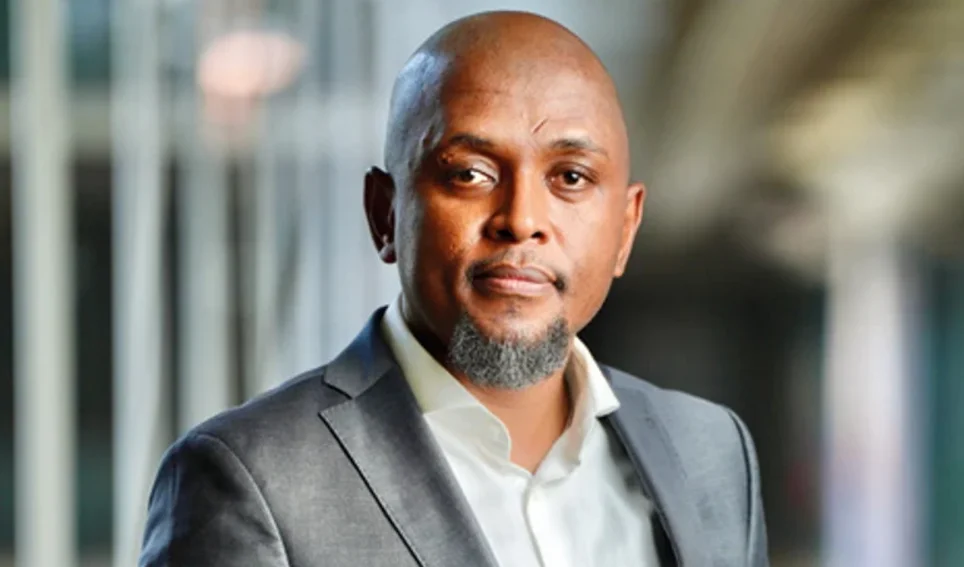
Kabelo Makwane, Google South Africa Country Director, said the glossary is a crucial step toward bridging the gap between advanced technologies and everyday users. He noted that having the right vocabulary empowers people to shape technological change.
Lance Schultz, CEO of PanSALB, described the project as a model of how linguistic development can support digital inclusion. By standardising AI terms, he said, the project modernises indigenous languages and ensures their speakers are not excluded from the global digital conversation.
Expanding Access and Reach
The glossary is free and intended for use across sectors, including education, government, and tech development. The partners plan to expand it to cover more AI concepts and include additional South African languages.
The long-term vision is to make the glossary a living resource, updated as AI evolves and adopted widely by institutions and communities.
Building an Inclusive Digital Future
Google’s AI glossary is part of a larger effort to make AI accessible to everyone, regardless of the language they speak.
Challenges remain, including driving adoption and keeping the glossary current, but this initiative ensures that Africa’s languages and voices are embedded in the digital transformation.
The Techsoma Briefing
Stay with the story.
Keep up with the companies, ideas and people shaping African tech. Get the briefing in your inbox.
Free to subscribe. Unsubscribe anytime. Privacy policy