
Zambia sits at the center of a technology storm that most people don’t see coming. While the world talks about AI helping farmers and finding copper deposits, experts warn that Africa’s most promising nation might be trading away its digital future.
A recent gathering in Lusaka revealed the reality behind AI’s expansion into Africa. The Zambia Alliance for Agroecology and Biodiversity brought together farmers, academics, and government representatives to discuss what AI really means for ordinary Zambians. What they discovered should worry anyone who cares about digital independence.
Tech Giants Build New Colonial Infrastructure Through Underwater Cables
Meta and Google are laying underwater internet cables across Africa, following routes that mirror old colonial shipping lanes. These cables don’t just carry data, but they take control.
Esther Mwema, a digital inequality expert, showed attendees how modern tech infrastructure follows the same exploitative patterns as historical colonial empires. The companies building these cables decide what data flows where, creating new forms of dependency.

“The contextual bias on the Internet gets reproduced,” explained Jim Thomas, an AI and Market Power Fellow. “That bias can be gender bias, racial bias, or cultural bias of all kinds.”
These underwater cables is more than improved internet speeds. They create digital highways that extract African data while leaving local communities with limited control over their own information.
Bill Gates-Backed Mining Operation Uses AI to Extract Zambian Copper
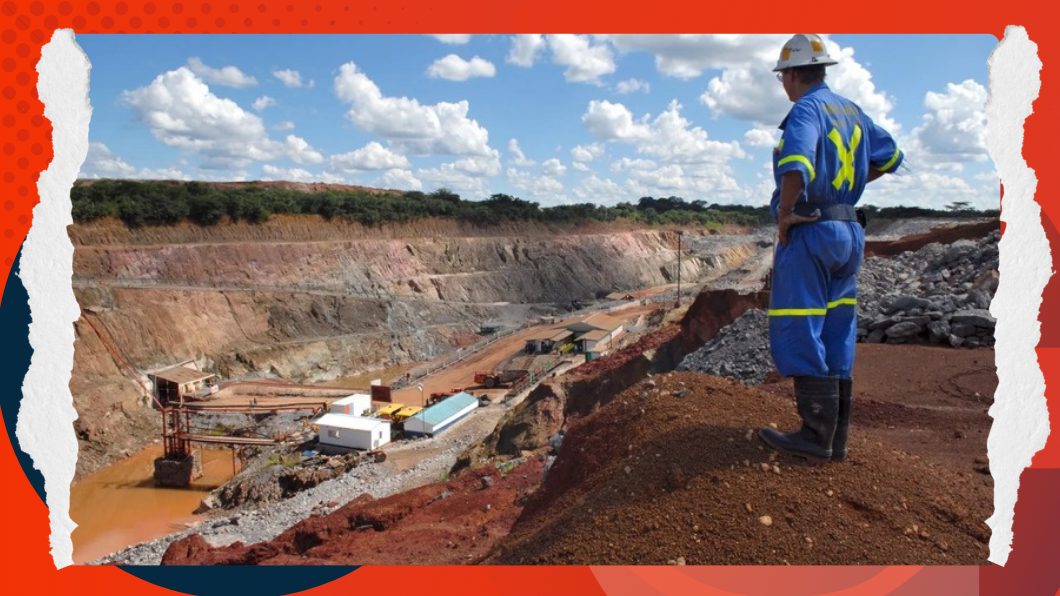
KoBold Metals, supported by Bill Gates and Jeff Bezos, discovered what could become the world’s third-largest copper mine in Zambia using AI technology. The company uses artificial intelligence to create detailed maps of Earth’s crust, helping locate valuable mineral deposits.
The Mingomba copper project is a massive find in Zambia’s Copperbelt. CNBC reported that KoBold believes this discovery will become “one of the world’s biggest high-grade large copper mines.”
But while AI helps find Zambia’s copper, most profits flow to foreign investors. The technology that locates these resources doesn’t guarantee Zambians will benefit from them. Instead, it creates more efficient ways to extract wealth from African soil.
KoBold recently raised $537 million in funding, bringing its valuation to nearly $3 billion. This money flows to develop AI-powered mining techniques, not to build local technological capacity or ensure fair resource sharing.
Zambia Launches AI Strategy While Facing Digital Dependencies
In November 2024, Zambia launched its National Artificial Intelligence Strategy, making it one of few African countries with comprehensive AI planning. Minister Felix Mutati announced the strategy would help accelerate digital transformation and create new jobs.
The strategy plans to triple copper production to 3 million tonnes annually through AI-enhanced mineral exploration. It also targets improvements in healthcare, education, and agriculture through artificial intelligence applications.
Yet Zambia scores just 0.37 on the IMF’s AI Preparedness Index, barely above Sub-Saharan Africa’s 0.34 average. While Zambia shows ambition, significant gaps remain in digital infrastructure and technical capacity.
The government removed taxes on digital equipment imports, attracting $58 million in investment. However, critics question whether these policies build genuine technological independence or simply make Zambia a more attractive market for foreign tech companies.
Energy Demands Threaten Zambia’s Power Grid and Water Resources
AI’s appetite for energy creates serious problems for Zambia’s infrastructure. A single hyperscale data center consumes over 5 gigawatts of power, more than Zambia’s entire national capacity of 3.7 gigawatts.
These massive energy needs could force Zambia to expand fossil fuel use or pursue risky nuclear power options. Data centers also require millions of gallons of water daily for cooling, competing with communities already facing water scarcity.
The physical footprint of AI threatens to reverse climate progress just as Africa begins addressing environmental challenges. As more tech companies build facilities across the continent, energy and water demands will only increase.
Farmers Risk Losing Traditional Knowledge to Corporate Algorithms
Digital farming platforms marketed to Zambian farmers promise better yields and modern techniques. However, these platforms primarily serve corporate interests by collecting detailed data about local soils and biodiversity.
When farmers engage with these digital tools, they risk becoming locked into corporate input systems. Traditional farming knowledge gets replaced by algorithm-driven solutions that may not suit local conditions or long-term sustainability.
The real value lies in the data these platforms collect, not the services they provide to farmers. Companies use this information to develop products and services that generate profits elsewhere, while farmers receive minimal benefits.
Biological AI Creates New Biosafety Risks for African Nations
Generative AI can now design new viruses and proteins, raising serious concerns about biological safety. AI errors in biological design could have dangerous consequences, especially in regions with limited regulatory oversight.
This technology also enables new forms of biopiracy. AI models trained on genetic data from Zambian biodiversity could generate commercial products without fair benefit-sharing with the source nation.
African genetic resources have already been exploited for decades through traditional biopiracy. AI-powered biological design accelerates this process while making it harder to trace and regulate.
Data Extraction Creates New Forms of Resource Dependency
AI systems require massive amounts of data to function effectively. This creates what experts call “data colonialism”, the systematic extraction of information from developing nations to power systems controlled elsewhere.
Tech companies build AI models using data from African users, then sell services back to African markets. The value created from African data flows primarily to Silicon Valley shareholders rather than the communities that generated it.
Jim Thomas describes this as building “massive looting models” that involve “the broad theft of digital data and information, frequently without permission or payment.” This extraction happens largely invisibly, making it difficult for governments and citizens to understand or regulate.
Building Technological Sovereignty Requires New Approaches
Participants in the Lusaka meeting agreed that African nations need stronger regulatory frameworks to protect their interests. This means developing comprehensive data protection laws and asserting national sovereignty over genetic resources and digital information.
However, regulations alone won’t solve the problem. African countries must invest in building local technical capacity rather than simply consuming technologies developed elsewhere.
Promising alternatives exist. Indigenous knowledge systems and agroecological practices often outperform high-tech solutions in African contexts. Supporting these approaches could provide more sustainable development paths than depending on foreign AI systems.
The meeting emphasized that bottom-up solutions deserve priority over top-down technological fixes. Local communities should have decisive voices in shaping technological policies that affect their lives.
Time to Act Before Dependencies Become Permanent
The quick pace of AI development creates urgency around these issues. Technologies advance faster than the policies needed to govern them, leaving African nations vulnerable to exploitation.
Zambia and other African countries face a critical window to establish digital sovereignty before dependencies become too entrenched to change. This requires moving beyond simply adopting technologies developed elsewhere toward building genuine local capacity.
The stakes extend far beyond individual countries. How Africa responds to AI expansion will influence global patterns of technological development and resource distribution for generations.
Success requires coordinated action across multiple fronts: stronger regulations, local capacity building, support for indigenous alternatives, and ensuring affected communities control their technological futures.
The choice facing Zambia reflects questions about who benefits from technological progress. Without deliberate action to protect African interests, AI expansion risks creating new forms of dependency that extract wealth while providing limited local benefits.