
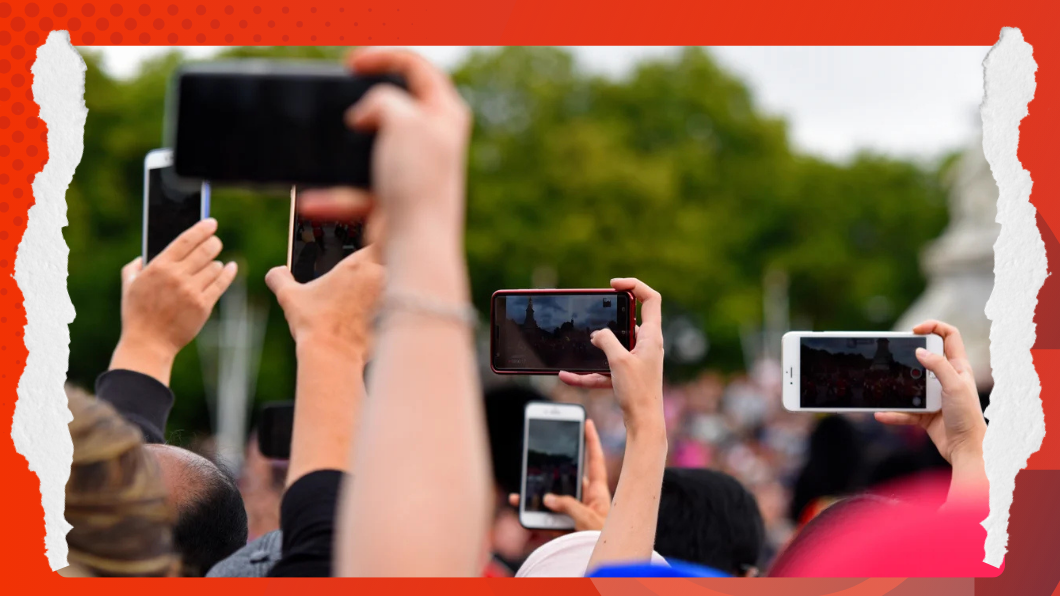
The Nigeria Data Protection Commission, NDPC, has warned creators against recording strangers and posting the footage online without consent. The agency says this habit crosses the privacy rights many Nigerians already claim under law, even when a creator records in a public place.
The NDPC links its warning to a rising trend. Some creators now stand by roads and film passersby for street skits and reality-style clips. The commission says people in those clips do not expect an unknown person to capture their face and share it with a global audience.
NDPC sets rules for filming strangers
The NDPC says creators must treat a person’s image and video as personal data when the footage identifies them. It points creators back to Section 37 of Nigeria’s Constitution, which protects privacy, and to the Nigeria Data Protection Act 2023.
The NDPC also says consent does not mean silence. The law requires a clear yes. It also says the person who records carries the burden to prove consent. That detail matters when a dispute starts on TikTok, X, or Instagram after a clip goes viral.
The street filming incident that triggered the warning
Reports linked the NDPC warning to street content filmed in Lagos. The commission cited a case where a creator filmed unsuspecting people by the roadside as part of a reality show-style format. The NDPC says its early findings showed no public interest and no legitimate interest that outweighs the rights of the people in the video.
Another public flashpoint followed a video about long queues at a Lagos BRT terminal. LAMATA acknowledged commuter concerns and also told creators to respect privacy laws on public transport. LAMATA said it had received complaints from commuters about unauthorised filming and posting.
Consent in plain words under the Nigeria Data Protection Act
The Nigeria Data Protection Act 2023 sets out lawful bases for processing personal data. Consent stands as one of those lawful bases. The Act also lists other bases such as contract needs, legal duty, vital interests, public interest tasks, and legitimate interests. The NDPC warning leans hard on a simple point. A creator needs consent unless the creator can justify another lawful basis.
The Act tightens what consent means. It says a person must give consent freely and intentionally. It also says silence or inactivity does not count. It adds another key rule for creators. A consent request must use clear and simple language and an accessible format.
Platforms now face pressure to act faster
The NDPC did not focus on creators alone. It also told major platforms to step up enforcement of their own rules to reduce harm tied to unlawful and unfair processing of personal data. Punch and other outlets reported that the NDPC named TikTok, X, and Meta in that directive.
The commission also warned that it will sanction platforms that fail to act quickly when harm happens. It also warned that creators remain accountable for what they record and publish. The NDPC says a creator can face criminal prosecution when the creator violates privacy rights.
What creators should change now?
Creators who rely on street interviews, skits, and public transport content need a tighter workflow. First, they should ask for consent before they record a close-up shot of someone’s face, voice, or outfit. Next, they should repeat consent before they post, since posting creates wider exposure than recording. Then, they should respect a no, even when the moment looks funny or dramatic. This approach matches the NDPC position that people do not expect random filming and global posting by strangers.
Creators also need to think about bystanders. A creator can avoid conflict by framing shots that do not single out strangers or by blurring faces when a stranger appears in the background. The NDPC has already signalled that it will judge purpose and fairness, not only location.
What Nigerians can do when a stranger posts them
The Act gives people rights over their personal data. It also links those rights to a complaint path. The law requires data controllers to inform people about the right to lodge a complaint with the NDPC in relevant cases. In real life, people often start with platform reporting tools. Still, the NDPC has made its position public, and it says it will investigate and enforce the Act.
This shift will not kill street content. It will push creators to produce it with care. The creators who build consent into their process will reduce takedowns, reduce backlash, and keep audiences focused on the story instead of the dispute.