

Games that once needed a console, a big download or an app store are now opening in a browser tab. In the first week of October 2026, two very different stories showed how fast this shift is moving.
GTA V Shows What a Browser Can Do
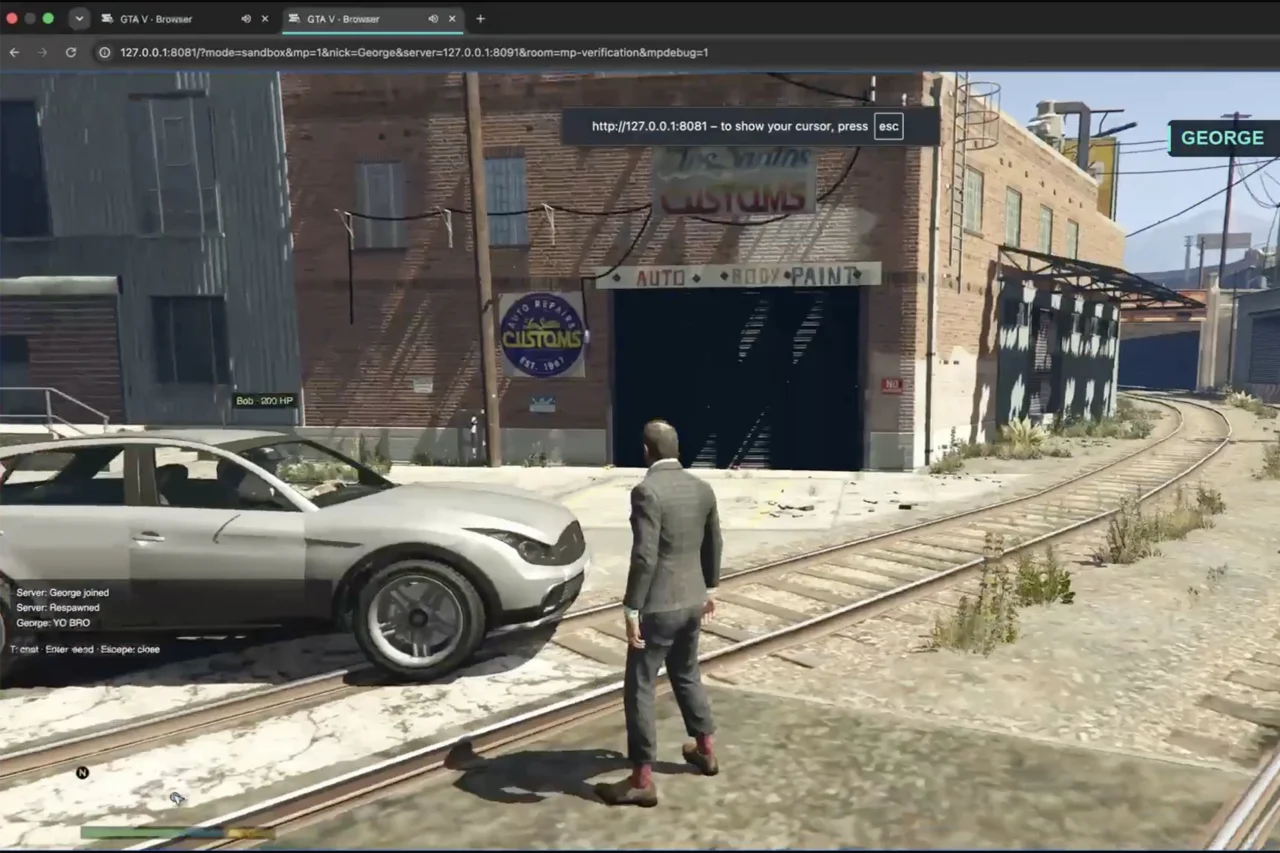
On October 6, an unofficial site briefly let people play Grand Theft Auto V in Chrome. Players reported smooth performance, and footage showed story mode and open exploration of Los Santos. Keyboard, gamepad and touch controls were reportedly supported, so it also worked on phones.
The numbers explain the excitement. The port reportedly needed about 700MB of assets to start, against roughly 170GB for the full PC install. Tech reports said the game ran locally on the player’s device through WebAssembly, a browser technology that lets heavy programs run at near-native speed. It was not cloud streaming.
The site disappeared within hours. Reports said it was built on leaked source code and that AI tools helped convert parts of it. Neither claim has been confirmed by the developer, and there has been no official statement from Rockstar or its parent company. Some players found partial copies through web archives, though many reported crashes and loading problems.
So the GTA V port is a proof of concept, not a product. It is unauthorised, and it showed that browsers can now handle far bigger games than most people assumed.
Why the Browser Is Winning
Three things are pushing this trend. Browser technology is more powerful than before. AI tools are cutting the time needed to build and convert games. And a link is the easiest way to share anything on social media. No download, no sign-up, no app store review.
Lagos Life Turns the Trend Into a Business
Nigeria has its own example, and it is fully legitimate. Lagos Life, built by developer Shalom Rayhamen, launched on October 1, Nigeria’s Independence Day. It is a free multiplayer life simulation played in the browser, where players pick a character, find work, earn and spend naira, pay rent and move around a virtual Lagos.
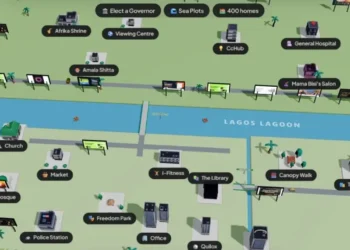
Its growth has been sharp. Reports put it at over one million players within days, and Rayhamen later said it passed 4.7 million in nine days. Search interest in the game inside Nigeria reportedly jumped by more than 5,000% in its first week.
Lagos Life was inspired by The Sims and by Lagos Run, a browser game by Berlin-based Nigerian developer Opeyemi Adeniran, where players drive a danfo through Lagos traffic. Adeniran has said AI sped up his own build, and Rayhamen reportedly built the first version of Lagos Life in under 12 hours.
Why This Matters for Nigerian Developers
Nigerian studios have long struggled with app store competition, limited marketing budgets and players who rarely pay for downloads. A browser game removes much of that friction. A phone and a link are enough.
Lagos Life also shows a way to earn without charging players. Brands can rent virtual billboards inside the game, and musicians have used it to promote new music. Its success has already triggered copycats, including a London bus game and a Port Harcourt life simulation.
The Limits of the Hype
Viral browser games often lose players once the novelty fades, and a short visit counts toward a headline player total. The GTA V case also carries a warning. Building on someone else’s intellectual property gets you shut down quickly, while building on your own culture, as Lagos Life did, gives you something you can keep and grow.
The browser is becoming a serious gaming platform. Nigerian developers have just shown they can use it well.