
It was one of those days when the CEO of one of Nigeria’s biggest fintech companies decided to let the world know exactly how he was feeling. I had some time today and decided to analyse a bit. By the end of it, he had ignited conversations across boardrooms, Twitter threads and WhatsApp investor groups about the true cost of doing business in Nigeria.
The drama began earlier in the day when Tayo Oviosu, CEO of Paga, took to X (formerly Twitter) to lament the cost of keeping the lights on at his headquarters. He had just approved the purchase of two new generators and was reflecting on how much the company had spent on power since its inception 16 years ago. Fuel, maintenance, capital purchases, millions sunk into something that his peers in developed markets never even think about. “From a global POV, that is an unproductive use of capital,” he wrote. It was a complaint every Nigerian business owner could relate to.

About five hours later, Oviosu returned to the platform, but this time it was not about diesel fumes or equipment costs. It was about the Lagos Internal Revenue Service, LIRS. “My people LIRS has come again o. Say I owe more than I earned. How can personal income tax be more than you earned? Maybe it’s time for Paga HQ to move from Lagos!!”

Two posts in one day. Two frustrations that hit at the heart of Nigeria’s business environment, high operational costs and aggressive taxation. And suddenly, a serious question emerged: should Paga consider moving its headquarters out of Lagos, or even out of Nigeria entirely?
The Lagos Tax Man’s Perspective
On the surface, a personal income tax bill that is larger than the amount earned makes no sense. Yet it can happen, especially in states where tax authorities operate on a mix of actual filings, estimated assessments and historical assumptions.
Possible reasons for such a bill include:
- Estimated assessments where LIRS assumes income levels based on industry standards or past performance rather than current realities.
- Accumulated liabilities from previous years that have compounded over time.
- Taxation on non-cash benefits such as housing, vehicle use or share options, which are valued at market rates.
- Misalignment between corporate and personal earnings reporting which can create a distorted tax profile.
From LIRS’s angle, they may believe they are applying the rules correctly. From Oviosu’s standpoint, it feels like a punitive miscalculation that undermines entrepreneurial drive.
Paga’s Current Position
Founded in 2009, Paga is Nigeria’s leading mobile payments company with over 21 million users. It operates across merchant services, agent banking, consumer wallets and cross-border payments. Lagos has been its strategic home, offering access to investors, regulators, fintech talent and an active innovation ecosystem.
Why Lagos Remains the Ideal Corporate HQ for Tech Companies
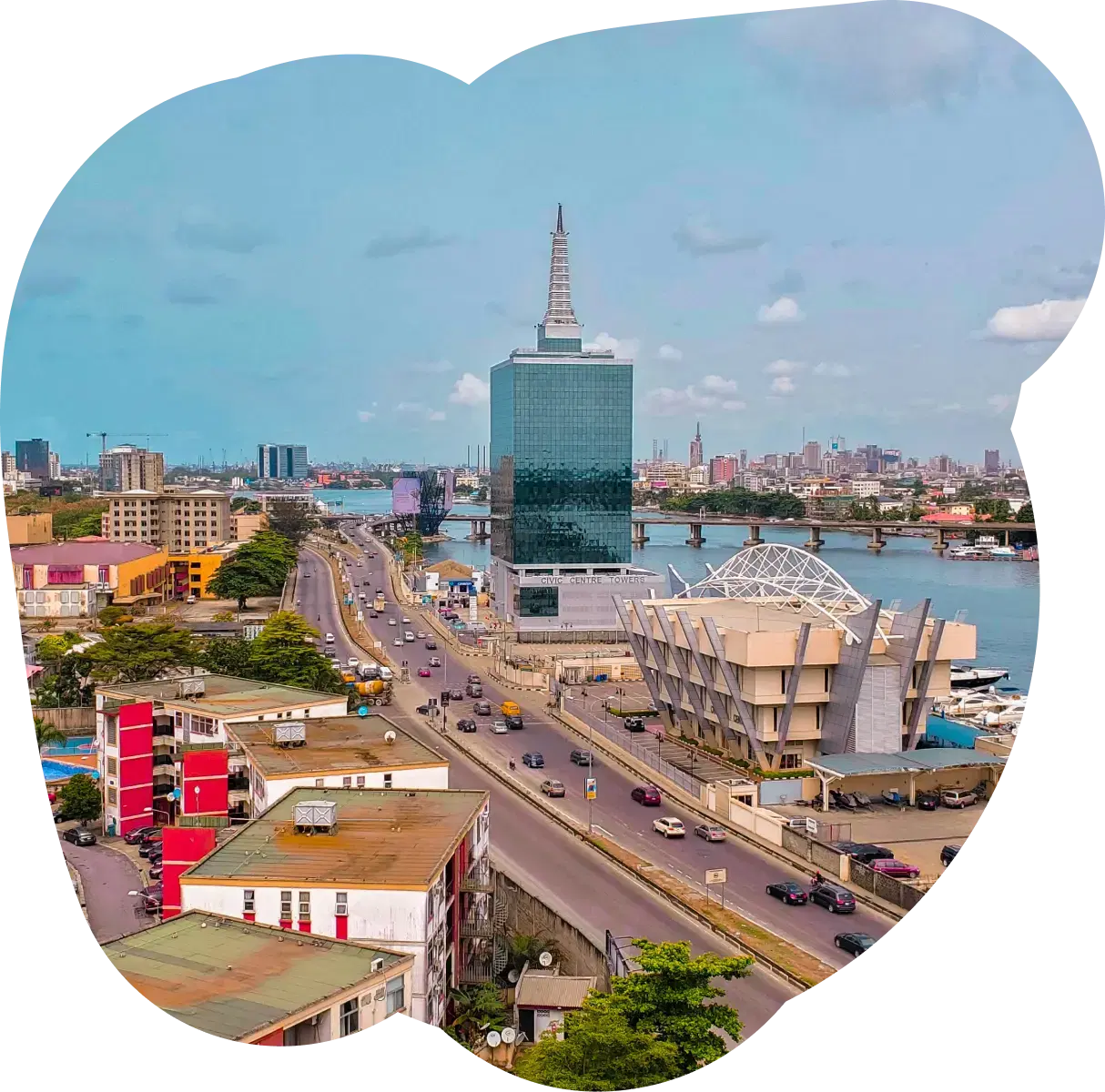
Despite the frustrations that occasionally spill onto social media, Lagos has historically been the epicentre of Nigeria’s tech economy. The city concentrates the largest pool of startup talent in the country, from software developers and product managers to marketing strategists and compliance specialists.
It is home to the majority of venture capital offices and investment networks focused on West Africa. Regulatory bodies like the Central Bank and the Securities and Exchange Commission have key offices in the city, making it easier for companies to engage with policymakers. Lagos also offers direct flight connections to major African capitals, Europe and the United States, which matters when closing international partnerships or raising capital.
For many founders, Lagos is not just a headquarters, it is the beating heart of the brand’s network, community and influence. Leaving it is rarely just about costs, it is also about what you lose in visibility, access and market presence.
Options Within Nigeria
If Paga were to relocate but remain in Nigeria, the choice of city would need to balance reliable power supply and a friendlier tax regime.
- Abuja
Electricity supply is generally more stable than Lagos, especially in high-end commercial districts, but still not uninterrupted. Tax rates are determined by the Federal Capital Territory Internal Revenue Service, which is known to be firm but less aggressive in assessments compared to LIRS. - Ibadan or Abeokuta
These cities benefit from lower commercial property costs and more predictable dealings with state revenue services. Power reliability varies by neighbourhood, but smaller grids and less strain on distribution lines can mean fewer outages than in Lagos. - Port Harcourt
Electricity supply is inconsistent and fuel costs can be higher due to logistics, but Rivers State tax authorities are often more open to negotiated settlements with large employers. However, state taxes and levies can multiply quickly if relationships with local government are not actively managed.
Options Outside Nigeria
Moving abroad could be an even stronger play for resolving both electricity and tax challenges, although it introduces new compliance and operational considerations.
- Nairobi, Kenya
Power supply is far more stable than in Lagos, though occasional rationing occurs in drought periods. Kenya’s tax rates are competitive, and the Kenya Revenue Authority is more predictable in enforcement. Incentives are available for tech companies operating in special economic zones.
- Kigali, Rwanda
Electricity reliability is excellent by African standards, with nationwide access targets being met consistently. The tax environment is one of the most business-friendly on the continent, with clear laws and minimal bureaucratic delays.
- Accra, Ghana
Electricity supply has improved in recent years, though occasional load-shedding still occurs. Ghana’s tax authority is proactive but transparent, and the government offers incentives for fintech and payment companies willing to set up regional HQs.
Remote First Culture and What Corporate HQs Really Do
In an era where many companies have embraced remote first operations, the physical headquarters plays a different role than it did a decade ago. For a global or regional tech company, the HQ is less about where everyone works daily and more about where strategic direction is set, where major client relationships are anchored and where regulatory alignment happens.
Even in a remote culture, the HQ is often where the leadership team meets in person to make big decisions, where key partners are hosted, and where the symbolic identity of the company resides. Moving a headquarters is as much a signalling decision as it is a financial one. It tells investors, customers and competitors where you see your centre of gravity.
The Bigger Question
Tayo Oviosu’s back-to-back tweets were more than personal complaints. They captured the deep frustration of entrepreneurs who must fight two battles every day, one against a fragile infrastructure that turns power supply into a full-time project, and another against tax regimes that can feel arbitrary and disproportionate.
The Lagos Tax Man may believe he is enforcing the law, but for business leaders, every unexpected bill is another reason to consider whether the city or even the country is still the best place to build. For a company like Paga, whose customer base stretches beyond Nigeria and whose partnerships already touch other African markets, relocation is not just a defensive move, it could be a strategic play.
The question is not simply where can Paga go but where can Paga thrive without constantly budgeting for problems most of the world solved decades ago. In an age where fintechs can operate across borders and talent can work remotely, the gravitational pull of Lagos as Nigeria’s economic capital is no longer guaranteed. If more founders feel the way Oviosu does today, the conversation about headquarters may shift from a one-off frustration to a wider migration of corporate influence. That shift could redraw the map of Africa’s fintech landscape, reshaping where investment flows, where talent concentrates, and which cities set the pace for innovation in the decade ahead.