

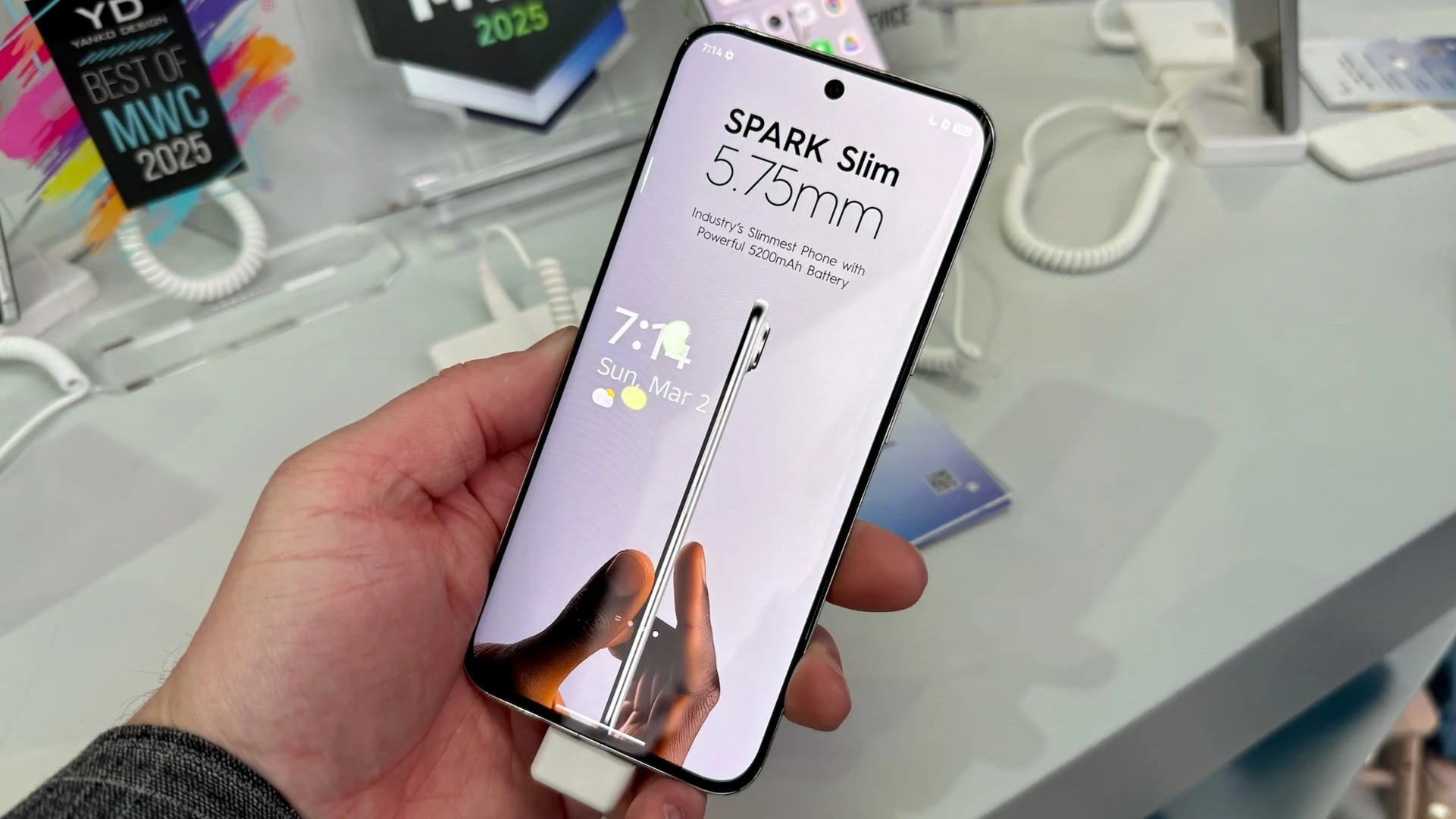
Smartphones have steadily evolved from bulky, plastic rectangles to sleek glass-and-metal slabs. But in 2025, a new design race is underway, focused on extreme thinness. With brands like Xiaomi, Honor, and Apple showcasing ultra-slim models, the industry is asking: Are thinner phones the next big shift in mobile technology?

Last year, Xiaomi unveiled the Mix Fold 4, one of the thinnest foldable phones ever made. Honor followed with the Magic V3, thinner than most modern smartphones even when folded. Apple is rumoured to be testing thinner designs for future iPhones, possibly starting with the iPhone 17 series.
This push toward thinness signals a shift in design priorities, from raw power and size to elegance and portability. The aim is to create phones that feel invisible in your pocket while still delivering flagship performance.
So What?
A thinner phone reflects changing user habits and growing demand for lighter, more comfortable devices. As people carry phones everywhere, comfort and convenience are becoming central.
The shift also aligns with advancements in materials science and component miniaturisation. Manufacturers can now build slimmer batteries, flexible displays, and compact cooling systems without sacrificing too much power.
However, this trend raises trade-offs. Thinner phones often mean:
- Smaller batteries
- Less thermal room for high-performance chips
- Reduced headphone jack and port options
- Lower durability unless reinforced
So while the appeal is strong, functionality must keep pace. Users are unlikely to accept significant compromises in battery life, camera quality, or durability for thinness alone.
Future Direction
Slimmer phones are likely to dominate high-end and foldable categories in the near term. Expect brands to use thinness as a key differentiator, especially in premium and lifestyle segments. However, mid-range and performance-focused phones may retain thicker profiles for better thermal control and battery capacity.
Ultimately, thinner phones are part of a broader design trend focused on making tech more seamless, wearable, and invisible. But whether they become the industry default depends on how well they balance style with substance.