

Tanzania’s recent election period has triggered significant political unrest. The nation faced widespread internet disruptions as authorities moved to contain protests and control information flow. The blackout exposed the fragile intersection between governance, digital rights, and economic stability in a country seeking to modernise its economy.
Elections Collide With Digital Suppression
As voters went to the polls, key opposition voices were silenced and security forces tightened their grip in major cities. Reports of protests and arrests spread quickly offline. Online, however, the picture faded. Social platforms slowed or stopped, messaging services became unreliable, and independent reporting was throttled as connectivity dropped across regions.
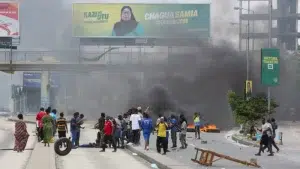
The blackout mirrored previous crackdowns but occurred during heightened political scrutiny. For many citizens, the lack of access fed suspicion rather than stability.
The Human Cost of a Switched-Off Society
Digital access is no longer a luxury. It underpins communication, safety, and economic organisation. When the internet disappeared, so did essential public coordination.
Families struggled to check on loved ones amid reports of clashes. Local journalists faced barriers in confirming events on the ground. Civic groups lost the ability to verify allegations of rights violations. The shutdown created shadows precisely where transparency was needed most.
The Economic Shock to Daily Life
Connectivity disruptions carried immediate financial consequences. Mobile payments slowed, and bank transactions stalled. Cross-border businesses reported delays at trading points. Logistics firms and transport operators experienced communication breakdowns. Tourism operators fielded cancellations and inquiries without reliable digital channels.
For a country working to expand digital finance, e-commerce, and cross-border trade, the blackout cut directly against long-term development goals.
Strain on Public Services and Emergency Response
The shutdown not only affects commerce. Hospitals and clinics reliant on cloud-based patient systems and communication channels reported delays. Emergency service coordination weakened in areas with reported clashes. Educational platforms and university networks dropped offline, halting remote learning and research communication.
The disruption highlighted how deeply internet access is integrated into essential services.
A Legal Landscape Enabling Control
Existing cybersecurity and media laws give broad powers to restrict content during national tension. Critics argue these regulations lack clear guardrails and allow disproportionate measures that undermine civil liberties and democratic expression.
The blackout illustrates the challenge of balancing national security claims with rights to information, free expression, and digital access.
A Regional Warning on Digital Rights
Tanzania’s digital shutdown serves as a cautionary signal across Africa, where growing internet penetration meets evolving political systems. Elections increasingly take place not only at polling stations but across social platforms and communication networks.
Interrupting those networks during political crises does not guarantee order. It often inflames distrust and weakens institutional credibility.
A Critical Test for Governance and Modernisation
Tanzania’s internet shutdown reflects a deeper question facing modern governments: how to manage political pressure without shutting down the infrastructure that sustains public trust, economic growth, and democratic participation.
The country now stands at a crossroads. Restoring confidence will require both connectivity and openness. Stability depends not only on controlling information but ensuring citizens can access it freely, reliably and without fear.