
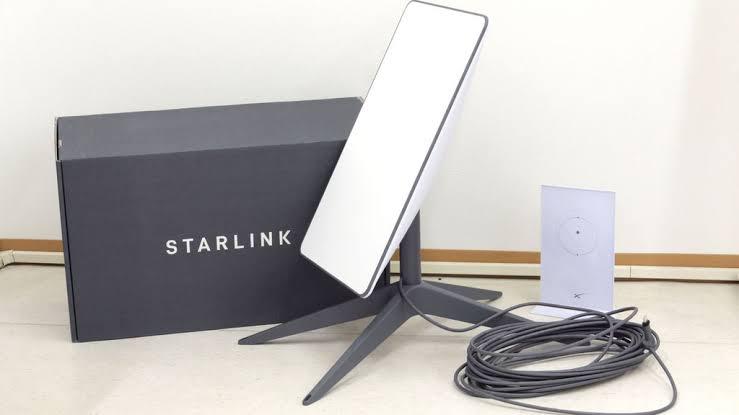
Starlink, the satellite internet service operated by SpaceX, has emerged as Nigeria’s second-largest internet service provider (ISP), surpassing FiberOne Broadband Limited in Q4 2024, according to data from the Nigerian Communications Commission (NCC).
Despite its premium pricing, Starlink’s subscriber base more than doubled over the past year, rising from 23,897 users in 2023 to 65,564 by the end of 2024. The sharp increase reflects growing demand for high-speed, low-latency internet, with speeds of up to 250 Mbps, far exceeding what most local ISPs currently offer.
Spectranet Still Leads Despite Subscriber Decline
While Starlink continues to gain ground, Spectranet remains the largest ISP in Nigeria. However, its subscriber count has been steadily declining. According to NCC data, Spectranet’s user base dropped from 113,869 at the end of 2023 to 105,441 by Q3 2024, losing 8,428 users. The number remained unchanged in Q4 2024.
Unlike Starlink, which operates via satellite, Spectranet relies on fiber and terrestrial wireless networks, both of which require costly right-of-way fees, tower installations, and power infrastructure. These limitations make it harder for Spectranet and similar ISPs to scale quickly, especially in remote and underserved areas.
Why Starlink Is Gaining Ground
Starlink’s expansion in Nigeria comes at a time when mobile network operators and ISPs are facing growing consumer complaints about slow speeds, poor coverage, and unreliable connections. Unlike its competitors, Starlink continuously expands its satellite network, improving speed, reducing latency, and enhancing reliability.
As of February 2025, SpaceX had launched 8,039 Starlink satellites, with 7,082 still in orbit and 7,049 operational.
For industry insiders, Starlink’s growth is no surprise.“As far as them (Starlink) being the second-largest ISP now, it makes sense,” said Ladi Okuneye, CEO of UniCloud, an ISP. “Satellite technology’s ubiquitous nature means you can connect a customer today in Ikoyi and another in Ikot Ekpene without being restricted by the geographical limitations of fiber or terrestrial wireless solutions.”
Price Hikes and Regulatory Challenges
In December 2024, Starlink announced a price hike, doubling its standard residential plan from ₦38,000 to ₦75,000 per month. The increase applied to new customers immediately, while existing subscribers were scheduled to switch to the new rate by January 27, 2025.
However, as demand surged, Starlink put the price adjustment on hold.
This wasn’t the first time Starlink faced pricing hurdles in Nigeria. In October 2024, the NCC blocked an earlier attempt to raise tariffs, citing failure to follow regulatory procedures. The NCC later approved the increase on February 4, 2025, allowing telecom operators to adjust their pricing models.
While providers like MTN Nigeria, Airtel Nigeria, and Smile Communications have already adjusted their rates, Starlink has yet to implement the new pricing structure.
The Limits of Starlink in Nigeria
Despite its rapid growth, Starlink isn’t without its challenges. One of its biggest limitations is that subscribers can only use the service in a fixed location. Unlike mobile network providers, Starlink does not yet offer full mobility, making it difficult for users who need seamless internet access while on the move.
In 2024, Starlink began rolling out satellite-to-phone connectivity, aiming to eliminate mobile dead zones. However, this service has not yet launched in Africa, leaving Nigerian users dependent on fixed installations.
What This Means for Nigeria’s Internet Market
As demand for reliable, high-speed internet grows, Starlink’s rapid expansion signals a major shift in Nigeria’s broadband industry. However, regulatory challenges, pricing concerns, and mobile connectivity limitations remain key obstacles to its long-term dominance.
For now, Starlink’s rise proves that Nigerians are willing to pay a premium for better internet, but whether it can sustain this growth will depend on how it navigates regulations, competition, and evolving user needs.