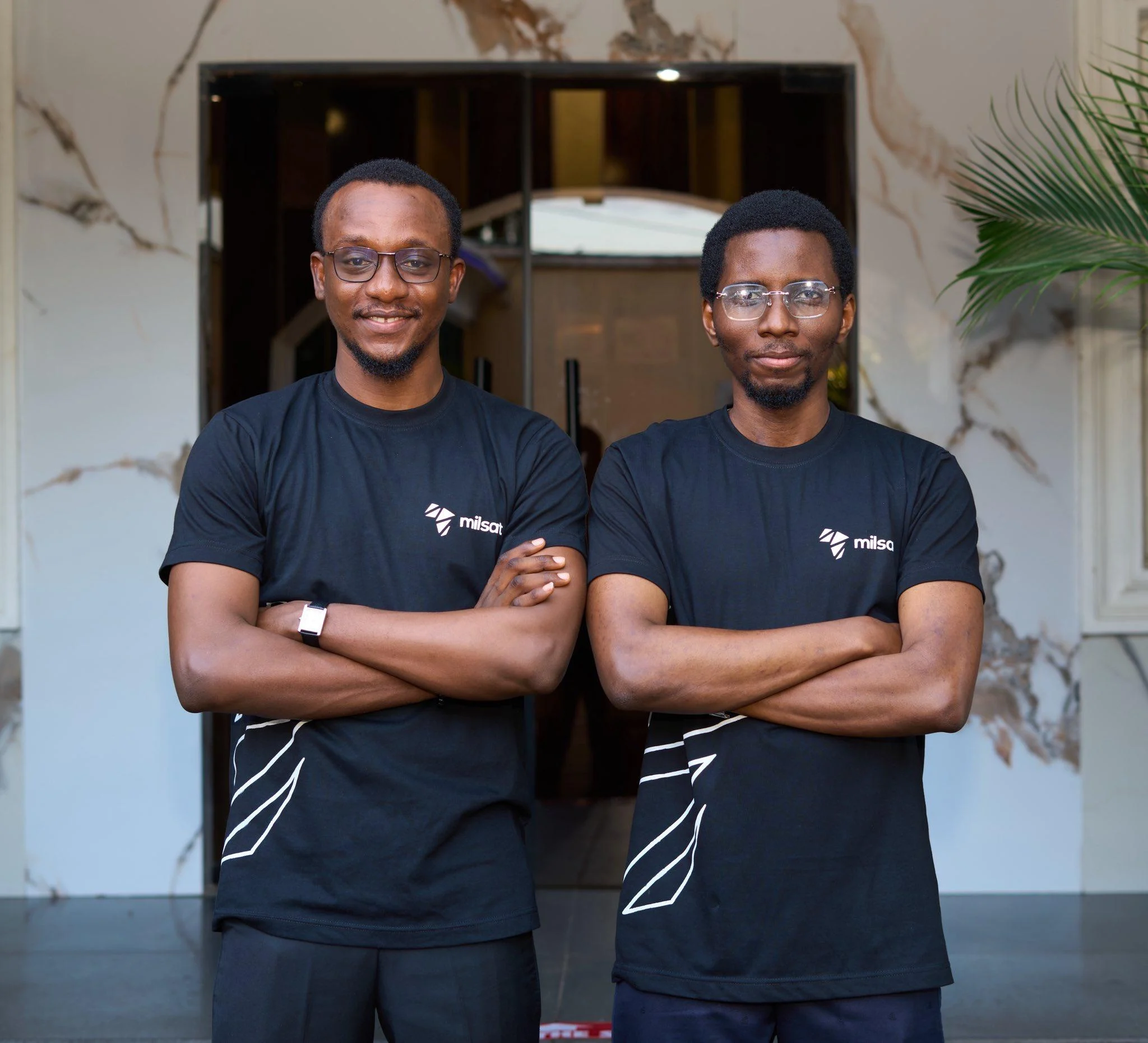

In the same week that Moniepoint’s CEO went public with frustrations about the Nigerian talent pool, OPay was quietly making a very different kind of noise. The contrast between the two stories, which both broke in early May 2026, says more about corporate philosophy than it does about Nigerian workers.
What Moniepoint’s CEO Said
Speaking at The Platform Nigeria in Lagos on May 1, Moniepoint CEO Tosin Eniolorunda disclosed that his company has around 500 open roles it cannot fill. He said the firm had made a deliberate shift to local hiring but is finding it difficult to meet its standards, adding that the few candidates it found “were not up to the global standards” needed.
The remarks triggered immediate and widespread backlash. Many Nigerians pointed out the contradiction between demanding global-standard output and offering compensation that doesn’t match. Others noted that at least two engineers allegedly rejected by Moniepoint as “not good enough” are now working at Amazon and other Silicon Valley companies in senior roles. Eniolorunda later clarified that his comments were directed specifically at the shortage of senior technical talent, not Nigerians generally, and pointed to the company’s existing talent development programmes. But the narrative had already taken hold.
What OPay Did Instead
While the controversy swirled, OPay had a markedly different week. The SoftBank- and Sequoia-backed payments platform confirmed it is preparing for a US IPO targeting a $4 billion valuation (double what the company achieved in its 2021 funding round) and could launch the offering by the end of the year. Citigroup, Deutsche Bank, and JPMorgan have been appointed to lead the listing.
Beyond the IPO news, OPay partnered with the CBN at the Global Money Week 2026 Financial Literacy Fair in Abuja on April 28, bringing together secondary school students from across the FCT under the theme “Smart Money Talks.” Separately, the company has committed ₦1.2 billion over 10 years to support outstanding and indigent students across more than 20 partner tertiary institutions nationwide. It has since expanded the programme, signing MoUs with four additional institutions and awarding scholarships of ₦300,000 each to 20 students per school annually.
Two Approaches to the Same Problem
The brain drain challenge both companies face is real. The talent shortage in Nigerian tech is not a fixed reality; it is a response to incentives. Companies that invest in building the pipeline, funding scholarships, training junior staff, and paying competitively are shaping those incentives. Companies that wait for fully formed senior talent to appear are not.
OPay’s approach (investing in students before they enter the workforce, building goodwill with its regulator, and positioning itself for public markets) is a long-game strategy. Its ₦1.2 billion scholarship commitment targets the same education system that critics say is producing underqualified graduates. That is not a coincidence; it is intent.
Why This Matters Beyond the Headlines
OPay processed approximately $12 billion in monthly transaction volume by mid-2025 and serves over 40 million Nigerian users through an agent network exceeding 500,000 locations. A successful IPO at the $4 billion target would rank among the largest US listings by an African tech company and could open capital market pathways for peers like Flutterwave and Moniepoint itself.