
Kenya’s electric vehicle market has a finance problem. Interest is rising, more models are reaching the market, and policy support has improved. Yet many buyers still struggle with the upfront cost. NCBA’s new deal with Salvador Caetano Kenya speaks to that gap directly. It brings vehicle financing closer to the point of sale and gives retail buyers, SMEs, and fleet operators a clearer path to owning electric vehicles.
NCBA ties EV finance to a major car dealer
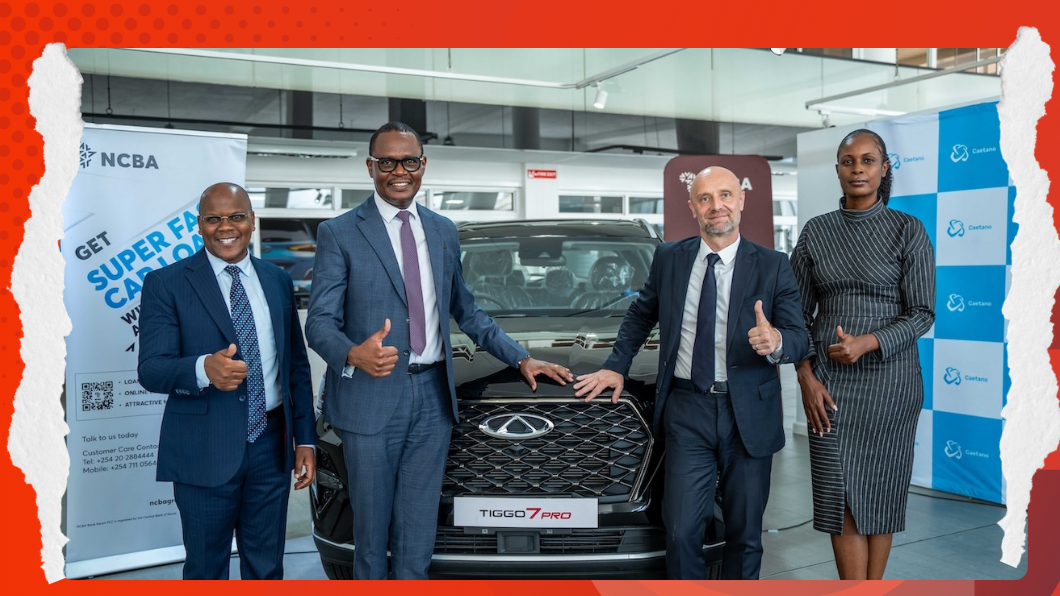
NCBA Bank has signed a memorandum of understanding with Salvador Caetano Kenya to roll out an asset financing program for both electric vehicles and internal combustion engine vehicles. The deal covers personal and commercial buyers and links financing to brands under Salvador Caetano Kenya, such as Hyundai, Kia, Ford, JMC, and Chery. That is because buyers usually make the final decision at the dealership. When financing is present in that journey, the purchase becomes easier to complete.
Buyers will receive terms on EVs
NCBA and Salvador Caetano Kenya say customers buying EVs such as the Kia EV6, Hyundai IONIQ 5, and Hyundai Kona EV can access financing of up to 90 percent, with repayment periods of up to 60 months. The scheme goes higher for other vehicle categories, with financing of up to 100 percent for personal vehicles and up to 95 percent for commercial units, plus repayment periods of up to 84 months and discounted processing fees. These terms address the biggest pain point in Kenya’s EV market, which is the cost of getting in.
This deal points to the reality of Kenya’s EV market
A 2026 report on Kenya’s 2020 to 2025 EV target says adoption picked up fast after 2021, led mainly by electric two-wheelers and three-wheelers. The same report says high upfront costs, limited access to affordable financing, patchy charging coverage, and data gaps still slow wider adoption. That makes this NCBA move more than a dealership tie-up. It targets one of the market’s most stubborn blocks, which is access to credit.
The same report says registered EVs rose from 65 in 2018 and 129 in 2019 to 2,695 in 2023 and 5,294 in 2024. It also says Kenya had 6,442 registered EVs by June 2025, while later, indicative NTSA-linked data pointed to a much larger total stock by January 2026. Even with that growth, financing remains a weak point, especially for passenger cars, buses, and heavier vehicles that cost far more than motorcycles.
NCBA has worked on this market for a while
This is not NCBA’s first move in electric mobility. In 2023, the bank launched a KES 2 billion EV financing facility as part of its green finance push. That earlier program offered up to 80 percent financing for personal and public transport EVs under a five-year repayment plan, with a 10 percent interest rate on reducing balance for applications received within the first 90 days.
Soon after, NCBA widened the scope of that facility after demand came in below expectations. Business Daily reported that the bank had lent only about KES 50 million at the time, which pushed it to include more parts of the electric mobility value chain, including components and batteries for retrofitted cars. That earlier adjustment says a lot about the Kenyan EV market. Demand exists, but lenders and sellers still need to package products in ways that match how buyers actually spend.
The bank wants EVs inside its green finance plan
NCBA has also framed electric mobility as part of a bigger sustainability strategy. In April 2024, the group said it would mobilise KES 30 billion for green and sustainable financing initiatives. It also said it had launched a KES 2 billion electric vehicle financing initiative and planned wider deployment of EV charging stations across its markets. That context matters because it shows the latest Salvador Caetano Kenya deal is not a one-off campaign. It sits inside a longer push around green finance and cleaner transport.
What does this deal change?
The bank has reduced friction at the moment of purchase. For fleet owners and SMEs, the value is even clearer because vehicle costs can lock up working capital fast. A financing structure tied to a known dealer network gives these buyers a more usable route to add or replace vehicles. For EV brands, the benefit is just as direct. Better financing improves conversion in a market where sticker shock still turns interest into delay.
NCBA says it held a 35.4 percent hire purchase market share as of April 2026. If that figure holds, the bank has the scale to shape how vehicle financing works in Kenya, not just participate in it. That gives this deal more weight than a routine partnership announcement. It shows that mainstream banks now see EV finance as a live commercial category, not a side story.
Editor’s Note
The bigger story here is not the bank loan on its own. It is the growing link between fintech rails, clean transport, and retail distribution. Kenya’s EV market does not just need more cars. It needs better financing, better charging access, and better buying flows. NCBA’s new deal answers one part of that problem practically. If similar partnerships spread across more dealers, more vehicle classes, and more lenders, EV adoption in Kenya will move with fewer false starts.