I’ve spent considerable time thinking about Nigeria’s energy crisis, and one thing strikes me as increasingly absurd: we’re sitting on one of the continent’s greatest solar resources while our national grid barely produces 5,000 megawatts for over 220 million people.
The Numbers Don’t Lie
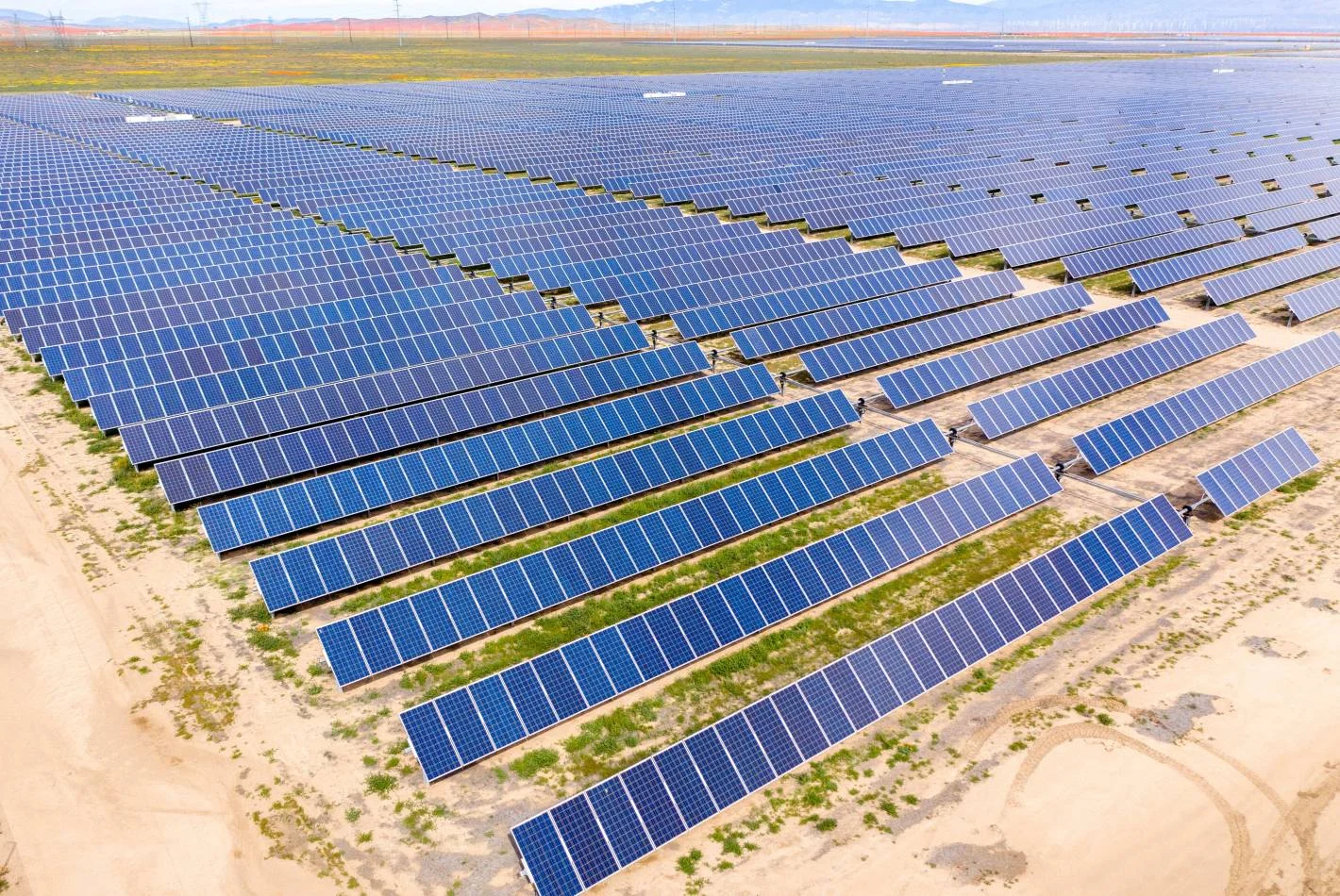
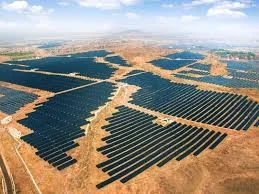
The math seems straightforward to me. Nigeria’s northern states receive solar irradiation exceeding 5.5 kWh per square meter daily. These are levels comparable to regions where other countries have built massive solar installations. I’ve looked at what Morocco accomplished with the Noor complex, generating 580 megawatts in similarly arid conditions. I’ve studied India’s Bhadla Solar Park, which now produces over 2,200 megawatts. These aren’t futuristic projects; they’re operational today, proving what’s possible with political will and investment.
Land We’re Not Using
What frustrates me most is how much land we have. A 1,000-megawatt solar park requires roughly 2,500 hectares. Northern Nigeria has hundreds of thousands of square kilometres of sparsely populated land where such installations could be built without displacing communities or productive farmland. I’m not suggesting we cover the entire north in solar panels, but even ten installations of 500 megawatts each would double our current generating capacity.
Why Keep Choosing Gas?
I keep coming back to the same question: why are we still investing primarily in gas-fired generation that depends on pipelines vulnerable to sabotage and fuel supplies that are consistently unreliable? The sun shows up every day. It doesn’t get vandalised, and it doesn’t require complex supply chains.
The Cost of Doing Nothing
The economic case becomes clearer when I consider the costs of inadequate power. The World Bank estimates Nigeria loses approximately $26 billion annually due to power shortages. Every business running diesel generators, every household sitting in darkness, every factory operating below capacity represents economic opportunities lost due to our failure to generate sufficient electricity.
Learning from Others
I’ve observed how other countries transformed their energy sectors through solar development. India’s approach particularly resonates because it faced similar challenges: inadequate grid coverage, rural energy poverty, and the need for rapid capacity expansion. Their National Solar Mission combined large-scale solar parks with distributed generation, and costs dropped so dramatically that solar became cheaper than coal. Today, India has over 80 gigawatts of installed solar capacity.
What I find encouraging is that the technology has become substantially more affordable. Battery storage systems, which address solar’s intermittency, are now economically viable at the grid scale. Countries like Australia routinely deploy batteries that store daytime solar generation for evening peak demand. Nigeria could implement similar solutions.
Jobs and Economic Growth
The employment potential alone justifies serious consideration. I’ve seen data from Morocco’s Noor complex showing approximately 10,000 construction jobs and hundreds of permanent operations positions from a single major installation. Multiply that across multiple sites, add potential manufacturing capacity for components, and we’re discussing significant job creation in regions that desperately need economic opportunities.
What’s Stopping Us
The barriers are real but not insurmountable. Yes, we need initial capital. Yes, our grid requires upgrading to absorb and transmit large-scale solar power from north to south. Yes, some northern areas face security challenges. But these are problems countries solve when they’re committed to solutions.
A Realistic Path Forward
I believe we could start with a demonstration project, perhaps 250-500 megawatts in Kano or Katsina, states with relative stability and existing infrastructure. Success there would prove viability and attract additional investment. Within a decade, I can envision 10,000 megawatts of installed solar capacity fundamentally changing Nigeria’s energy landscape.
What we lack isn’t resources, technology, or successful models to emulate. We lack the political will to make solar development a national priority. I watch other countries with less sunlight and less land build thriving renewable energy sectors while we continue experiencing grid collapses and chronic power shortages.
The northern sun will keep shining regardless of whether we harness it. I simply believe we have a responsibility to future generations to stop treating our greatest natural advantage as an afterthought. The potential is enormous, and the technology is proven. The time to act was yesterday, but today will have to do.