

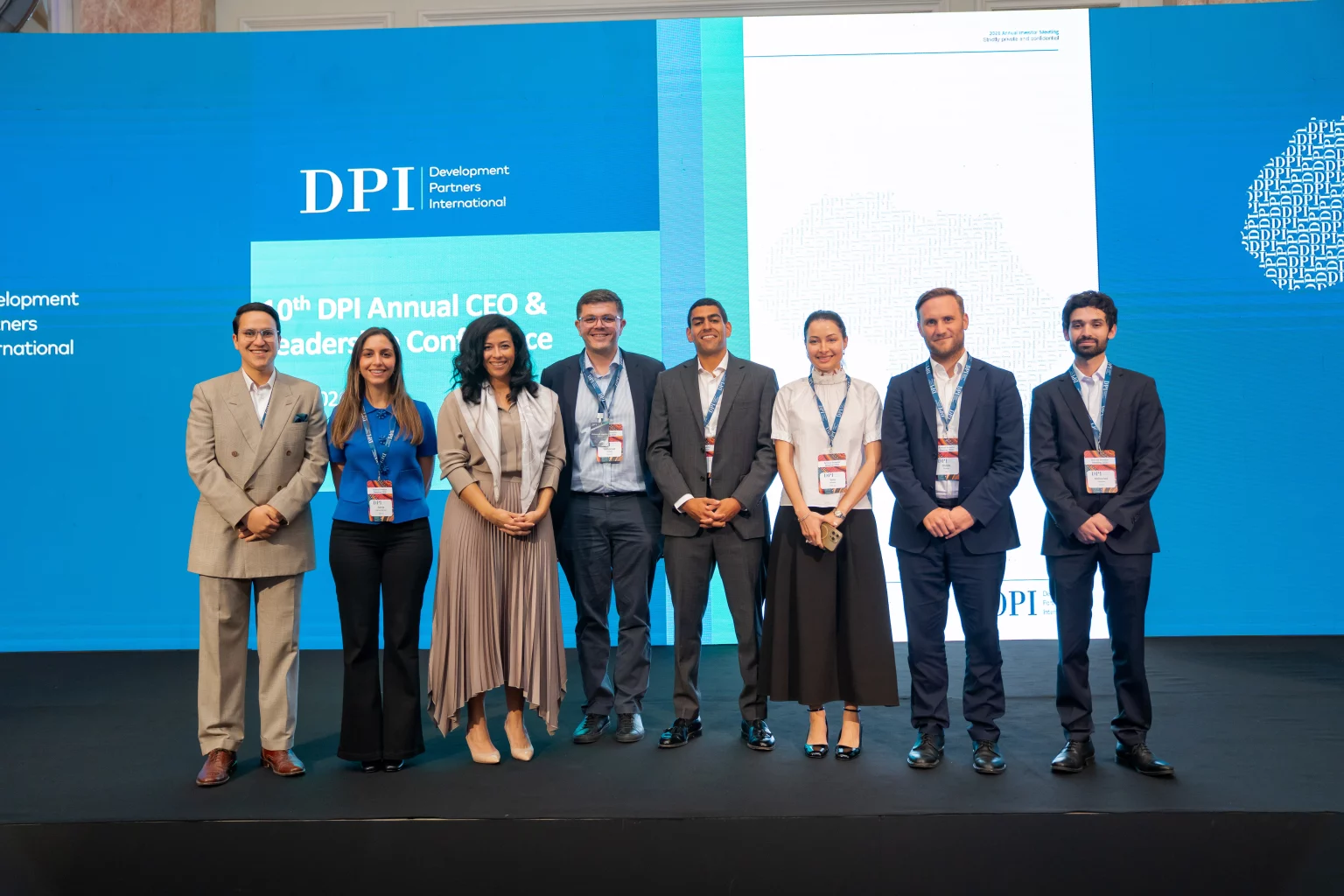
Nclude, the Egypt-born venture capital fund, has reached a final close of more than $112 million. The fund will back technology startups across Africa and the Middle East, with a focus on fintech, financial inclusion and companies that combine financial services with artificial intelligence. DPI Venture Capital, the venture platform of Development Partners International, announced the close on 27 October 2026.
How the Fund Got Here
Nclude was set up in Egypt in 2022 as a fintech-focused fund, with support from the Central Bank of Egypt. Local state banks, including Banque Misr, National Bank of Egypt and Banque du Caire, are reported among its backers.
In 2025, the fund was restructured, and DPI took over as investment adviser, launching DPI Venture Capital at the same time. The fund had earlier reached $105 million in commitments, so the final close added a little over $7 million. Roughly 93 percent of commitments came from African investors.
Where the Money Will Go
Nclude writes cheques of between $500,000 and $10 million, from seed to Series C. Egypt remains the core market and a launchpad for startups that want to scale regionally. Up to 30 percent of the mandate can be deployed elsewhere in Africa and the Middle East.
The fund says it will target areas such as digital payments, small business lending, insurance access, savings and investment products. Companies using AI in financial services and related fields also fall within its scope.
The Portfolio So Far
Nclude has invested in 15 companies. Egyptian property technology platform Nawy raised a $52 million Series A. Payments company Paymob secured $35 million in a pre-Series C round led by Mubadala and the European Bank for Reconstruction and Development. Savings platform Money Fellows raised $13 million to expand across North Africa, including Morocco.
Other names include UAE-based SME lender FlapKap, health access company Kera in Senegal, and Accord Partners, which applies AI to accounting and auditing.
Why It Matters
The close comes at a hard time for African venture funds. Africa-focused funds that reached a final close in 2025 raised just $107 million combined across six closes, an 87 percent drop from 2024, and none crossed $100 million. A fund above that mark is therefore a notable result.
The heavy share of African capital also stands out. It suggests local institutions are taking a bigger role in funding the continent’s startups, a market long dependent on foreign investors and development finance institutions.
What Founders Should Know
Founders in Nigeria, Kenya and South Africa should read the mandate carefully. With Egypt as the core market and a 30 percent cap on investments elsewhere, Nclude is not a continent-wide chequebook. Startups outside Egypt will likely need a strong regional story, ideally with some link to the North African or Middle Eastern market.
Even so, a well-capitalised fund with a clear fintech thesis gives founders in this space another serious option at a time when funding has been scarce.