
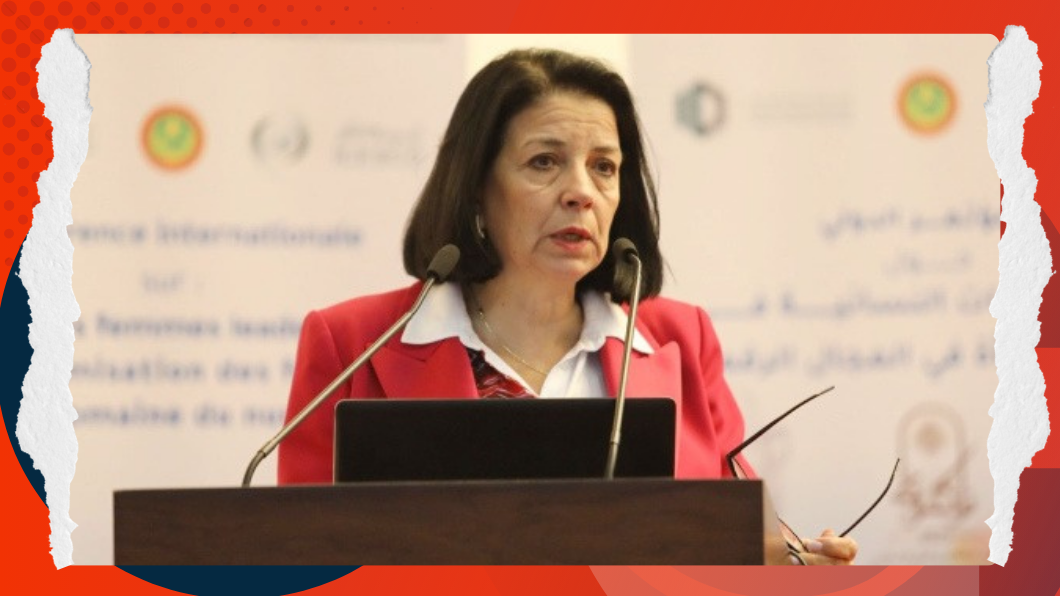
Morocco is drafting “Digital X.0”, a comprehensive law that sets the rules for AI, data protection, and digital identity across all sectors. The draft law, presented by Minister Amal El Fallah Seghrouchni, tackles three critical areas that most countries are still struggling with: data governance, digital identity management, and system interoperability.
Unlike many rushed AI regulations elsewhere, Morocco’s approach builds on existing frameworks. The law extends the country’s personal data protection law (Law 09-08) while adding new rules specifically for AI systems.
The framework introduces sectoral digital identities that give users precise control over their data. Each sector only gets access to the information it absolutely needs. Meanwhile, a traceable consent system ensures users explicitly approve any data sharing between government agencies or private companies.
Morocco Tackles 12.6 Million Cyber Attacks Head-On
Cybersecurity sits at the heart of Digital X.0, and for good reason. Morocco faced over 12.6 million cyber attacks in 2024 alone. The new law aims to build digital trust without creating bureaucratic barriers that slow innovation. The legislation includes provisions for Morocco’s cloud roadmap running through 2030 and the massive Dakhla data center project. These initiatives position Morocco as a regional hub for secure data processing and storage.
Mistral AI Partnership Accelerates Morocco’s Tech Ambitions
Morocco didn’t wait for the law to pass before making moves. The country already signed a strategic partnership with French AI startup Mistral AI to develop multilingual language models in Arabic, Amazigh, and African languages.
This partnership supports Morocco’s plan to train 200,000 young people in digital and AI skills. The initiative aims to build local expertise rather than relying on foreign talent.
Minister El Fallah Seghrouchni, who has international recognition as a leading expert in distributed AI and multi-agent systems, leads these efforts. Her technical background gives Morocco’s AI strategy credible expertise that many other countries lack.
Digital Morocco 2030 Strategy Creates Continental Leadership Opportunity
Digital X.0 serves Morocco’s “Digital Morocco 2030” strategy, which positions AI as central to economic development and government modernization. The country already invested heavily in digital infrastructure and e-government services over recent years.
Morocco’s approach emphasizes digital sovereignty, the ability to control its own digital destiny without depending entirely on foreign technology or regulations. This matters especially as global tech giants face increasing scrutiny over data practices and market dominance.
The law also promotes co-creation, ensuring that digital solutions involve the people who will actually use them. This participatory approach could make Morocco’s AI systems more effective and culturally appropriate than top-down alternatives.
Regional Impact Could Extend Across Africa and the Arab World
Morocco recently launched a Digital for Sustainable Development Hub with UN support, designed to help other Arab and African countries develop their own digital solutions. The hub will use Morocco’s experience to assist neighboring nations in building their digital infrastructure.
While Europe struggles with AI Act implementation and the US debates federal AI regulations, Morocco moves decisively to create clear, practical rules. African countries watching Morocco’s progress could adopt similar frameworks, potentially creating continental standards.
The draft law currently undergoes review by Morocco’s General Secretariat of Government before heading to parliament. If passed, Digital X.0 could become a template for responsible AI governance across the developing world.
Morocco’s proactive approach contrasts sharply with reactive regulations elsewhere. Instead of waiting for problems to emerge, the country sets rules upfront while building the technical capacity to enforce them effectively.