

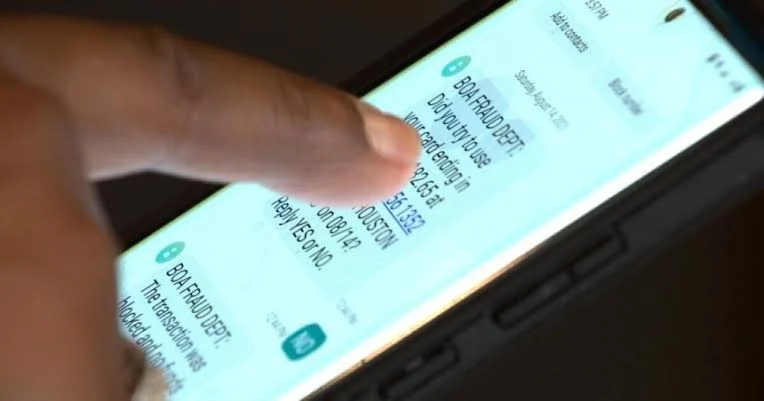
Yes, they do. Traders, POS operators, vendors and car dealers across Nigeria describe the same pattern. A customer pays, something that looks like an alert appears, goods or cash change hands, and the money never arrives. Nobody publishes a national tally for fake alerts alone, but arrests, court cases and merchant accounts show the scam is real and ongoing.
What the evidence shows
In May 2026, police in Ogun State arrested a 23-year-old suspect over an alleged fake transfer used to pay a food vendor. Investigators reportedly linked him to a pattern of fake and scheduled transfers in the same area. Earlier cases point the same way. In December 2021, police in Enugu broke up a syndicate that bought cars from dealers using fake transfers. In another case, a buyer in Owo allegedly paid for a ₦4.65 million car with a fake transfer.
The Central Bank of Nigeria says banks and their customers lost ₦134.48 billion to financial fraud between 2020 and 2025. That figure covers all kinds of fraud, so it should not be read as a fake alert total. It does show how much money is at stake in digital payments.
How the trick works
Fraudsters use three main methods.
- Fake alert apps. Some apps mimic banking screens or send text messages styled like a bank credit alert. The seller sees “money received” while no money moved.
- Forged receipts. Fraudsters generate or edit transfer receipts, including through websites that imitate popular fintech apps. A convincing screenshot proves nothing.
- Temporary or scheduled transfers. Money appears to land, then disappears when the transfer is reversed or was never actually processed.
Not every missing alert is fraud
Network problems and bank delays are common. Many honest customers pay and wait anxiously for a credit that arrives late. The goal is not to treat every buyer as a suspect. It is to confirm payment properly before anything valuable leaves your hands.
How to protect yourself
- Confirm inside your own banking app or USSD. Never rely on a text message, screenshot or receipt. Genuine alerts from your bank usually include your available balance, and fake ones often do not.
- Check the account name carefully. A receipt that drops a word from your registered name, such as “Limited”, is a warning sign.
- Resist pressure. Fraudsters often claim they are in a hurry or blame the bank for the delay. Urgency is part of the script.
- Re-check before releasing valuable items. For cars, electronics, large cash withdrawals or bulk goods, look at your balance again after a short wait, since reversals can happen.
- Ignore links in alert messages. They can lead to malware or sites that steal your details.
- Keep a simple house rule. No credit in your app means no goods and no cash.
What to do if you are caught
Contact your bank immediately with the time, amount and the other party’s account details. Report the case to the police and keep every message, receipt and CCTV clip. The CBN advises customers to report suspected fraud promptly, and quick action gives investigators a better chance of tracing the money.
The bottom line
Fake alerts are not a myth or an excuse for delays. They rely on seller haste and trust in screenshots. Checking your own account takes seconds and can save you from a painful loss.