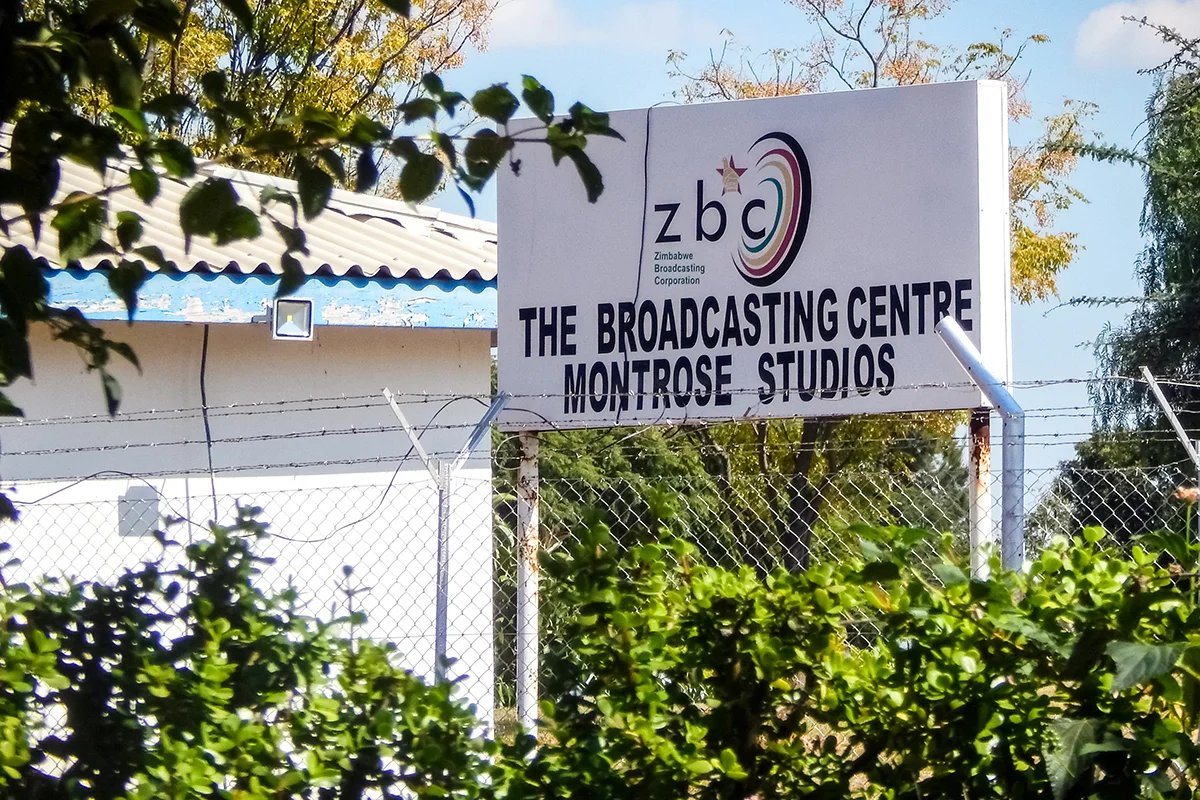
Zimbabwe has intensified its crackdown on explicit digital content, expressing serious concern over material spread by social media creators. The Broadcasting Authority of Zimbabwe recently issued warnings that reflect growing governmental anxiety about sexually explicit material reaching local audiences, particularly children.
The regulator emphasised that being online or operating from outside Zimbabwe does not exempt digital content creators from accountability if their material is accessed locally. This assertion marks a significant expansion of regulatory reach in the digital age, where geographic boundaries blur, and content flows freely across borders.
The Scale of the Problem
The urgency stems from troubling statistics. Research by the Postal and Telecommunications Regulatory Authority revealed that 58 percent of children nationally face a risk of accessing explicit and harmful content online. In a country where social media adoption reaches 93 percent, the highest visited sites include pornography and betting platforms, with children being the primary consumers.
Legal Framework and Proposed Reforms
Zimbabwe’s legal framework for combating such content already exists. The Censorship and Entertainment Control Act criminalises possession, importation, and distribution of pornographic material, while the Cyber Security Act includes provisions on transmitting intimate images without consent. Proposed amendments seek even harsher penalties, particularly for content involving minors.
Concerns About Freedom
Yet this regulatory expansion has sparked concerns about government overreach. Media freedom advocates argue that new legislation threatens constitutional protections for freedom of expression and access to information. The Media Institute of Southern Africa Zimbabwe warned that proposed social media laws could over-regulate digital space and create an environment in which citizens fear freely expressing their views.
The tension between protecting children and preserving freedoms reflects a broader pattern. Journalists and activists have been arrested and detained for online content as part of an ongoing crackdown on media freedom. Critics note that vague provisions in existing laws permit misinterpretation and potential weaponisation against dissent.
Enforcement Challenges
The challenges extend beyond legislation. Despite legal prohibitions, access to pornography remains widespread through VPNs, peer-to-peer networks, and social media platforms. Enforcement proves difficult in practice, with few successful prosecutions.
Infrastructure constraints compound the problem. Frequent electricity shortages disrupt internet access for hours daily, yet paradoxically fail to curb the consumption of objectionable content. Meanwhile, the arrival of affordable satellite internet through providers like Starlink has democratized access, creating new regulatory headaches.
A Critical Crossroads
Zimbabwe stands at a crossroads. Authorities invoke child protection and moral preservation to justify stricter controls. Regulators emphasise that freedom of expression must be exercised responsibly, with due regard for others’ rights. Yet the government’s track record raises questions about whether new powers will protect children or simply silence critics.
The debate reflects a challenge facing many African nations: how to safeguard vulnerable populations in the digital age without sacrificing democratic freedoms. As Zimbabwe grapples with this balance, the outcome will likely shape not just what content citizens can access, but what they dare to say.