
Techsoma Africa
Latest FinTech Startups AI Tech Global Apps African Opinions
Policy & Regulations Artificial Intelligence Reports About Contact Advertise FinTech & Digital Money African Startup Ecosystem Artificial Intelligence Technology Global News Apps, Gadgets, Tools & Softwares African Telecommunications Opinions & Perspectives
Advertisement Advertise on Techsoma
Techsoma Africa
No Result
View All Result
Techsoma Africa
No Result
View All Result
Techsoma Africa
No Result
View All Result
Home FinTech & Digital Money

Yellow Card to Shut Down Its Consumer App to Focus on B2B Stablecoin Infrastructure

The African crypto unicorn is phasing out its retail product by January 2026 to concentrate fully on business-grade stablecoin services.

by Covenant Aladenola
November 6, 2025
in FinTech & Digital Money
Reading Time: 4 mins read
WhatsApp Image 2025 11 06 at 8.05.55 PM

Introduction

Yellow Card has announced plans to shut down its consumer app by January 1, 2026, signaling a decisive shift toward its B2B stablecoin infrastructure business. The move, revealed in October 2025, marks the company’s transition from a retail-focused crypto exchange into a payments and treasury solutions provider for businesses across Africa and emerging markets.

The Lagos-based company, which has processed over $6 billion in transactions since launch, is betting that Africa’s next wave of fintech growth will come from powering stablecoin-driven cross-border payments rather than retail trading.

Why Yellow Card Is Shutting Down Its Consumer App

The decision reflects a broader trend in African fintech where companies are moving away from high-volume, low-margin consumer products toward more scalable infrastructure models. For Yellow Card, operating retail crypto services across multiple jurisdictions came with steep regulatory and operational costs, from fluctuating FX rules to stringent KYC requirements.
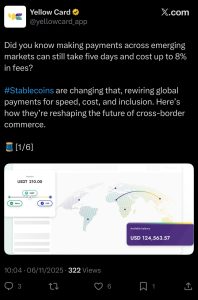
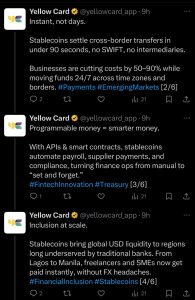
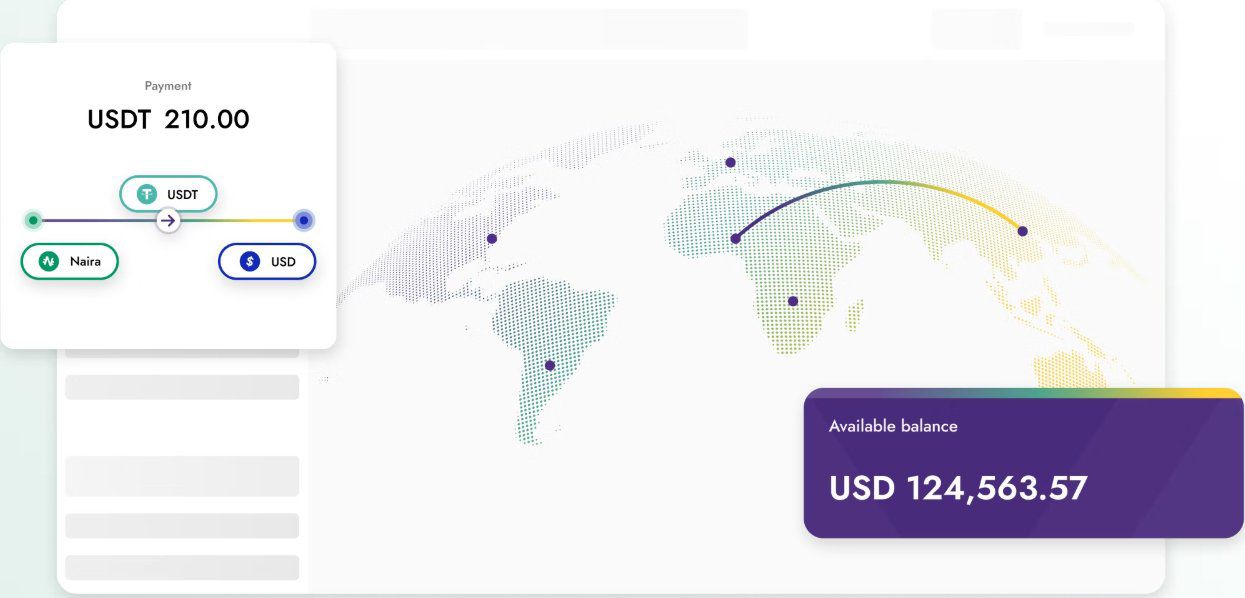
Yellow Card announces shutdown of consumer app to focus on B2B stablecoin infrastructure across Africa.Yellow Card announces shutdown of consumer app to focus on B2B stablecoin infrastructure across Africa.Yellow Card announces shutdown of consumer app to focus on B2B stablecoin infrastructure across Africa.

Advertisement Advertise on Techsoma

By focusing on B2B stablecoin infrastructure, Yellow Card aims to simplify how businesses, NGOs, and payment processors move funds across borders. The infrastructure will enable treasury management, liquidity provisioning, and seamless on- and off-ramps for digital dollars, pounds, and euros.

The Bigger Picture: Africa’s Stablecoin Moment

Across the continent, stablecoins are quietly reshaping how money moves. For importers, freelancers, and startups, they solve real problems: liquidity, cost, and speed. Stablecoins make it possible to settle payments in minutes instead of days, without the friction of traditional banking rails.

Yellow Card’s pivot mirrors this momentum. Instead of competing for millions of retail users, the company is positioning itself as the bridge between traditional finance and blockchain-based payments, a role that’s becoming more valuable as African regulators begin drafting digital-asset frameworks.

What It Means for African Fintech

Yellow Card’s shutdown of its consumer app doesn’t signify retreat. It’s a calculated pivot toward where value is being created: infrastructure that others can build on.

For the African fintech landscape, this may be the start of a broader shift. Consumer crypto adoption has plateaued, but enterprise demand for compliant stablecoin infrastructure is only beginning. As global players explore tokenized money and digital treasury tools, Africa’s fintechs are quietly building the rails to make it work at scale.

READ ALSO: Flutterwave and Polygon Bring Stablecoin Payments to Africa’s Remittance Market

Editor’s Note

Users have until December 31, 2025, to withdraw their funds before the consumer app becomes inaccessible. From January 2026, Yellow Card will fully transition into a B2B stablecoin infrastructure provider, expanding its services to enterprise clients, NGOs, and financial institutions across the continent.

If executed well, this shift could establish Yellow Card as one of Africa’s most important cross-border payment enablers, not through consumer hype, but through stable, compliant rails that quietly power the future of digital finance.


Related Techsoma coverage

  • The Harsh Reality Behind Degen Trading
  • Moniepoint Turns to AI to Open Up Nigeria’s Informal Economy
  • How Collaboration Among Banks, Fintechs, and Telcos is Powering Africa’s Financial Growth
Covenant Aladenola

Covenant Aladenola

Covenant Aladenola is part of Techsoma’s senior editorial team, where he helps shape the publication’s storytelling direction and editorial strategy...

Recommended For You

A picture of participants at the NIgeria fintech week
FinTech & Digital Money

Nigeria Fintech Week 2026 Sparks Debate Over Industry Legacy

by Kingsley Okeke
September 17, 2026

Nigeria's fintech industry is set to gather under one theme next week, and that theme is forcing an uncomfortable but necessary conversation about what the sector has actually built over...

Read moreDetails
Bujeti BRAIN

Bujeti Launches BRAIN, Bringing AI Agents to Business Finance in Africa

September 16, 2026
An image of Onedosh founders

OneDosh Expands Its Cross-Border Payments Platform Into the EU

September 16, 2026

What is a stablecoin?

September 15, 2026

TerraPay Links African Wallets To Alipay+ For Cross-Border QR Payments

September 11, 2026
Next Post
MTN 5G Router review

My Review of the MTN 5G Router: A Boost for Remote Work

KPMG 2025 AFRICA CEO OUTLOOK

African CEOs Outspend Global Peers on AI by Nearly Double While Building Tomorrow's Workforce

Please login to join discussion

Browse by Category

  • African Startup Ecosystem
  • African Telecommunications
  • Apps, Gadgets, Tools & Softwares
  • Artificial Intelligence
  • Business & Markets
  • Consumer Tech
  • Creator Economy
  • Cybersecurity
  • Digital Work-Life Series
  • E-Commerce
  • Education
  • Event Radar Africa
  • Exclusive Interviews
  • Explainers
  • Features/Spotlights
  • FinTech & Digital Money
  • Funding news
  • GenZ Desk!
  • Global News
  • Healthtech
  • Logistics & Mobility Tech
  • Media & Entertainment
  • News
  • Opinions & Perspectives
  • Opportunities, Careers & Learning
  • Partner
  • Policy & Regulations
  • Reports
  • Reviews
  • Tech Insights for Creators
  • Technology
  • Thought Leadership
  • Uncategorized
  • About Us
  • Advertise on Techsoma
  • Contact
  • Corrections Policy
  • Editorial Standards
  • Ownership and Funding
  • Privacy Policy
  • Publish Your Articles
  • Techsoma Africa
  • Terms of Service

Copyright 2026 Techsoma Africa. All rights reserved.

Welcome Back!

Login to your account below

Forgotten Password?

Retrieve your password

Please enter your username or email address to reset your password.

Log In
Advertisement Advertise on Techsoma
Techsoma Africa

© 2026 Techsoma Africa Media.

Company

Policy AI Reports About Contact Advertise

Legal

Terms Privacy RSS

Latest

Airtel Shuts Down Unit in Kenya, After Making Zero Revenue in Two Years Airtel Kenya Telesonic, the wholesale fibre arm incorporated in 2022, is being wound up and struck off by December 2026. Its accounts show no revenue in either 2024 or 2025, and a first-period expense line of just KES 66,667 in licence fees. Kenya's wholesale fibre market had already been divided between Safaricom, Liquid, Seacom and Bayobab before Telesonic's licence went live. Apple Bundles Apple TV And Apple Arcade Into iCloud Plus For Nigerian Users Apple has folded Apple TV and Apple Arcade into iCloud+ for subscribers in Nigeria at no additional cost,... Twiga Foods Enters Administration After Raising $185 Million Kenya's best-funded agritech startup has entered statutory administration. GT Flow Limited, formerly Twiga Foods One, went in on 17 August, with creditors given until 11 October to file claims. Twiga raised roughly $185.4 million from Goldman Sachs, Creadev and the IFC. But the warning signs ran back three years, through a liquidation attempt, 283 job cuts, a founder's exit and a second winding-up petition.
Techsoma Network Techsoma Network Techsoma Africa Techsoma Middle East Techsoma Canada
Transparency About Editorial Standards Corrections Ownership & Funding Privacy Terms Contact
No Result
View All Result
  • About Us
  • Advertise on Techsoma
  • Contact
  • Corrections Policy
  • Editorial Standards
  • Ownership and Funding
  • Privacy Policy
  • Publish Your Articles
  • Techsoma Africa
  • Terms of Service

Copyright 2026 Techsoma Africa. All rights reserved.